I recently took the stage to talk about one of the most consequential inflection points facing FinTech: the rapid arrival of agentic AI – systems that plan, decide and act autonomously – and what it means for risk, reputation, regulation and customer trust. Below is a distillation of the talk: what agentic AI actually is, why FinTechs are racing to adopt it, the real cyber threats it brings, and a pragmatic playbook leaders can use today.
I recently presented on how supplier relationships shape cybersecurity risk and why that risk ultimately becomes a reputational and trust challenge for organisations of every size and sector. Below is a summary of the most important lessons I shared, plus practical next steps security leaders can apply today.
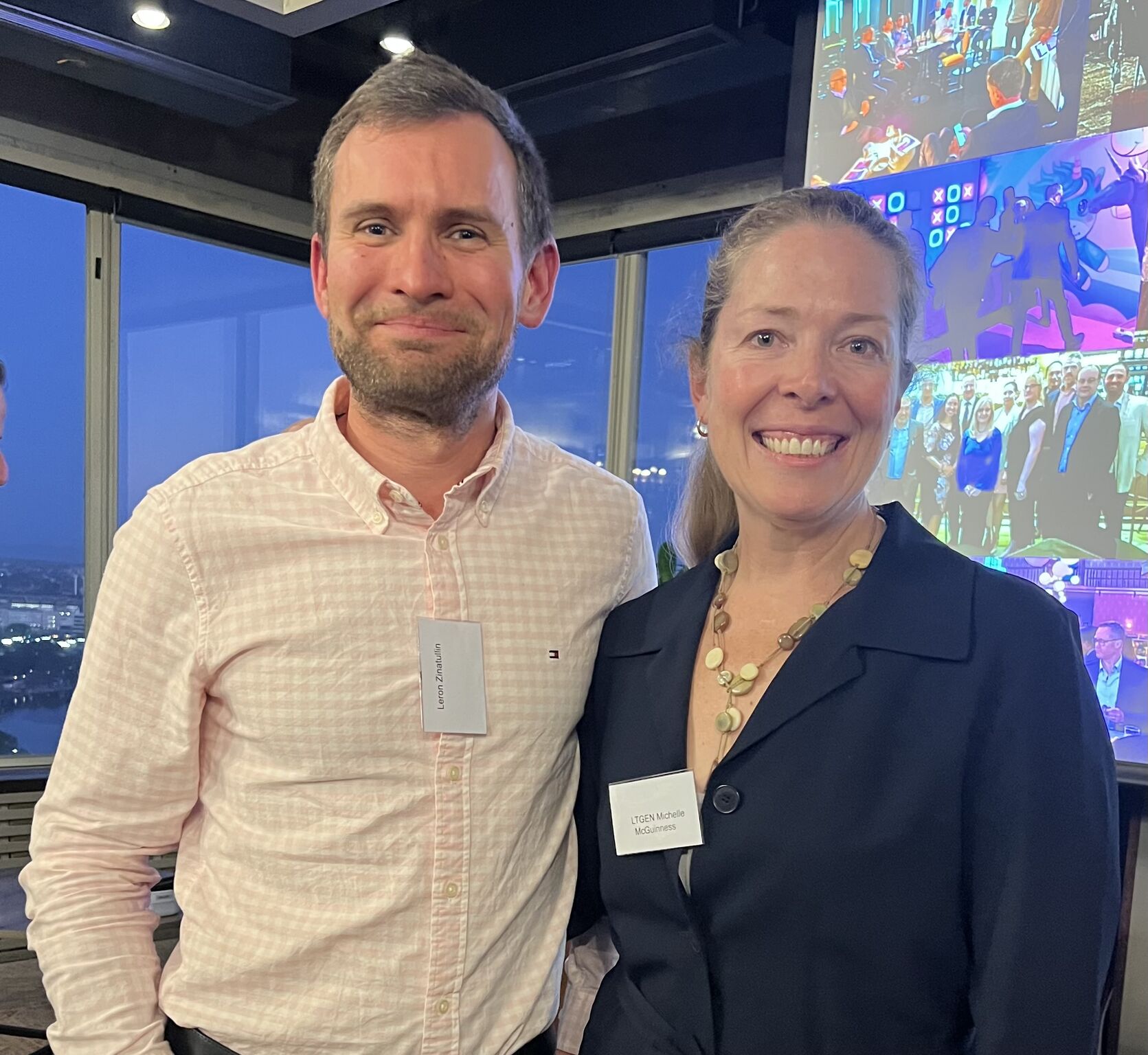
It was great to chat with Lieutenant General Michelle McGuinness, the National Cyber Security Coordinator, about the Australian Cyber Security Strategy as well as key initiatives, strategic imperatives and challenges that CISOs must navigate.
I appreciate an opportunity to contribute to the ongoing conversation on cyber threat landscape, risk and AI governance.
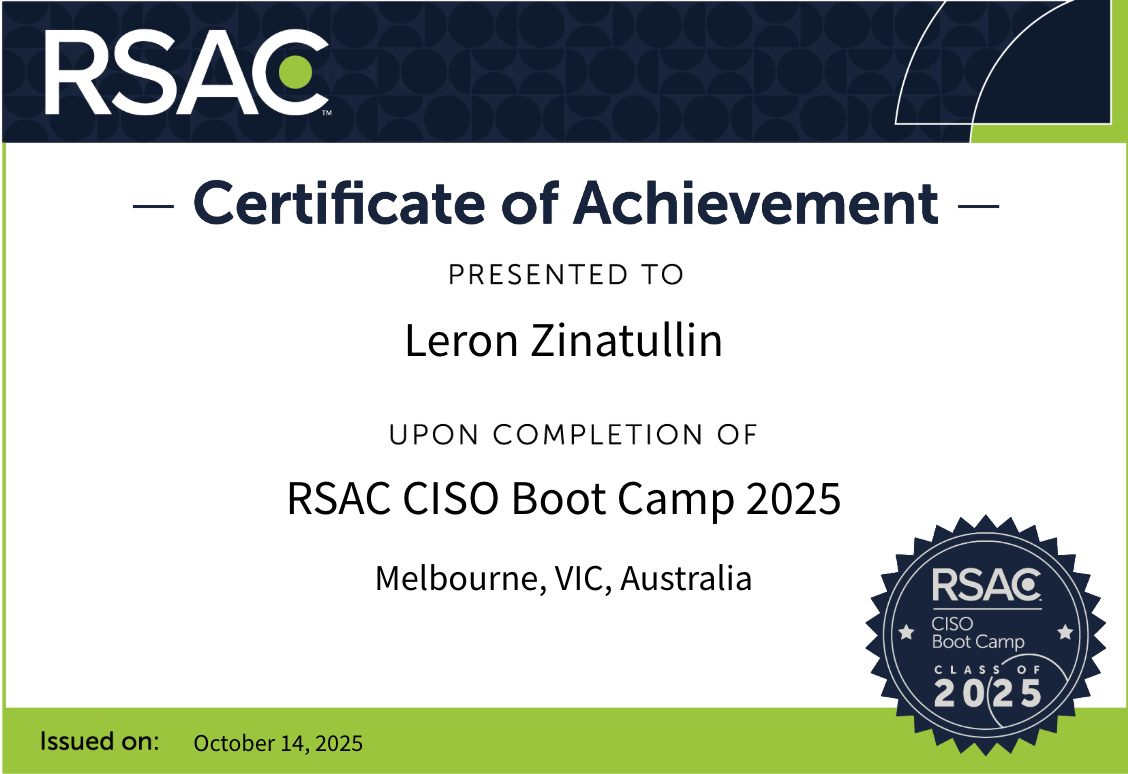
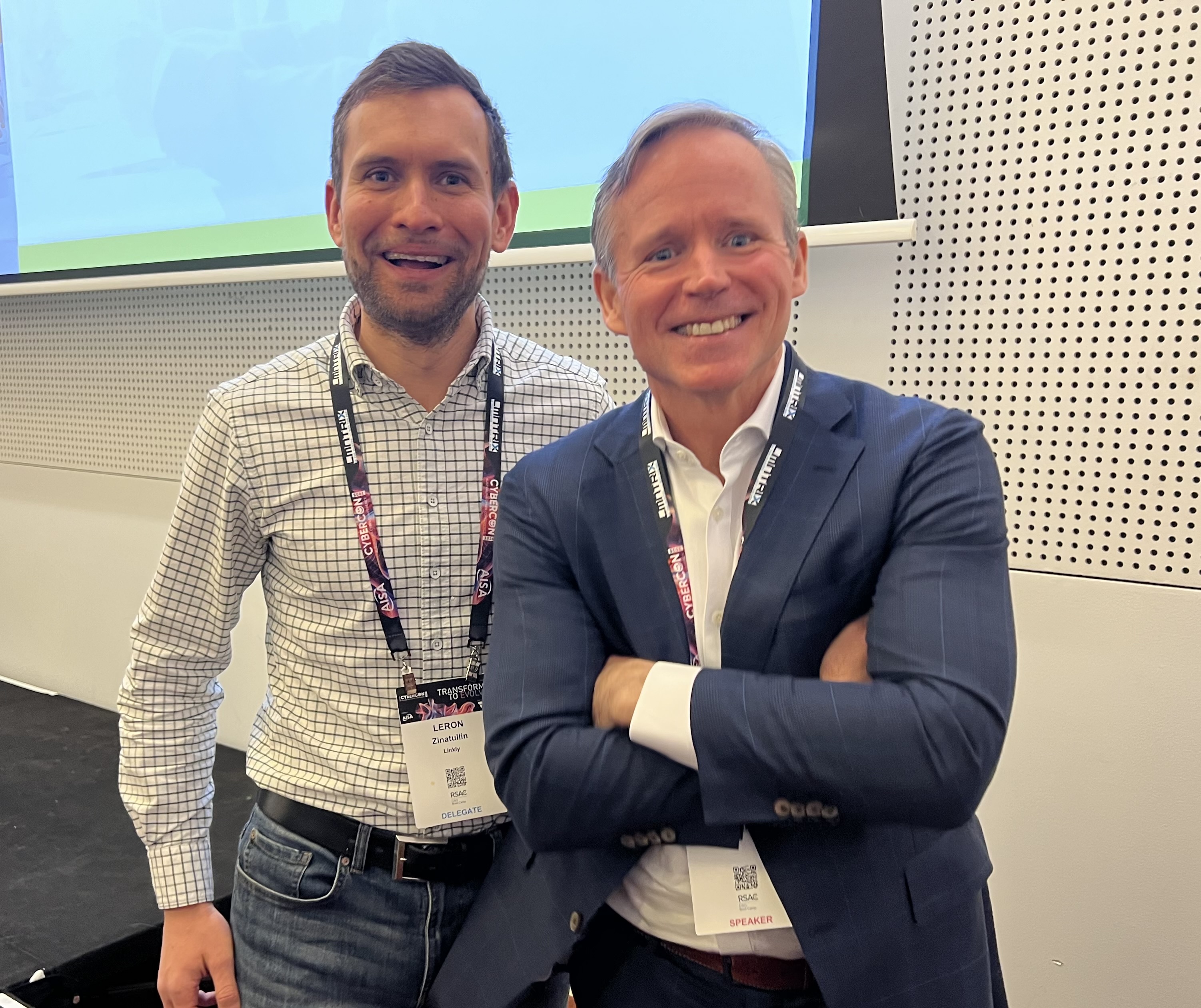
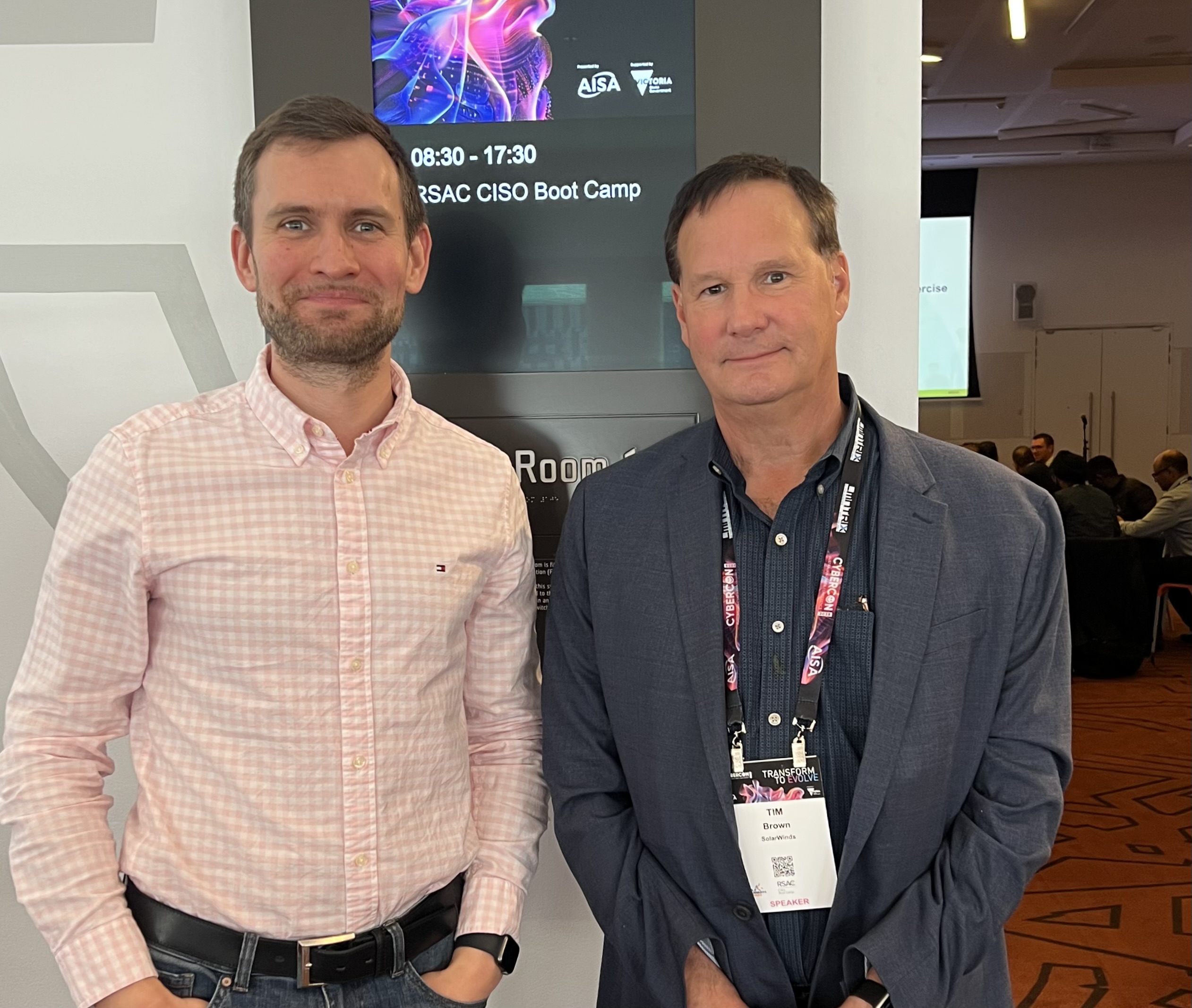
It was so good to attend the RSAC CISO Bootcamp at CyberCon Melbourne – a practical session for CISOs.
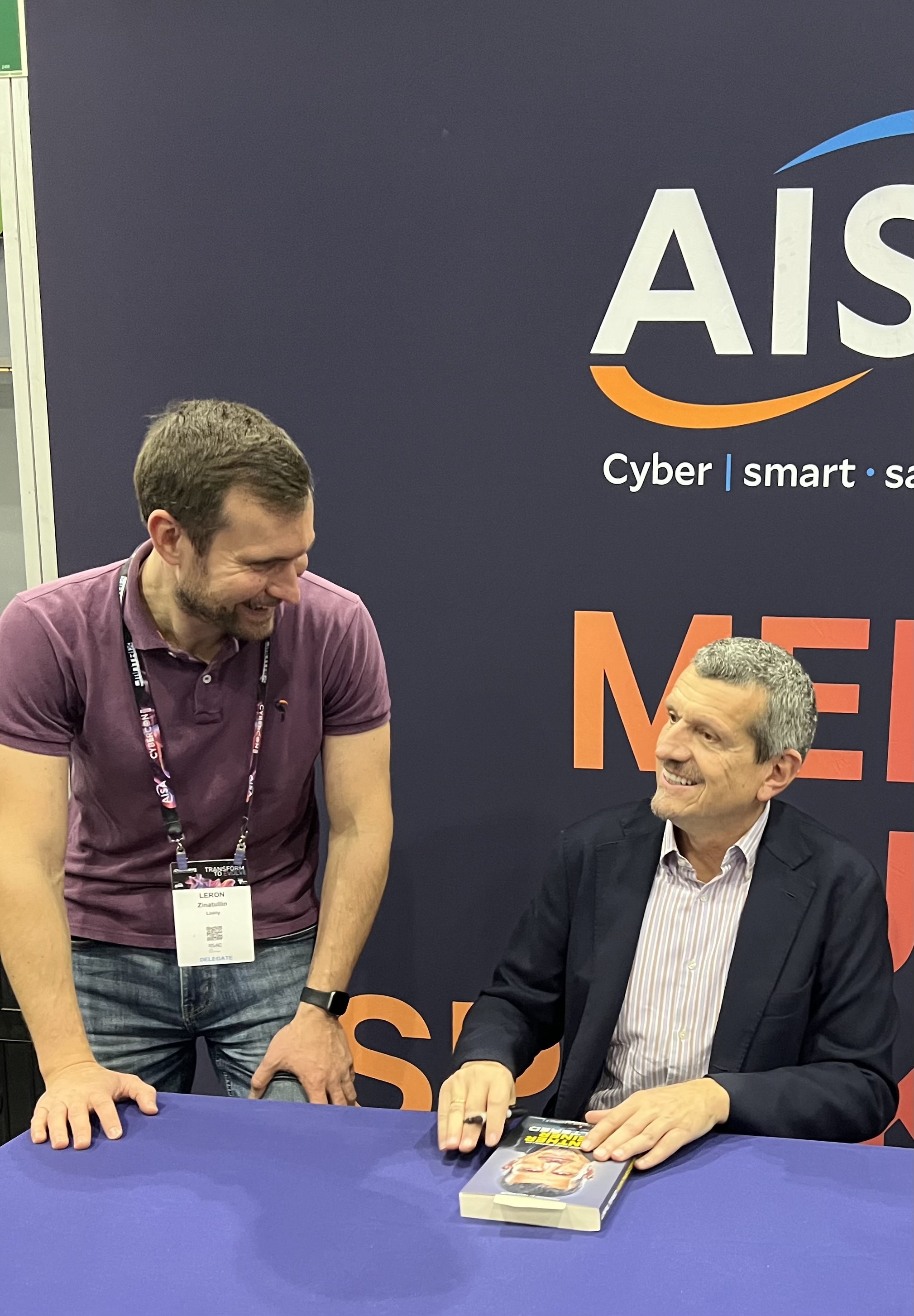
Highlights that stuck with me: 💡 A conversation with Brian Krebs on AI security and organised cybercrime: attackers are tooling up fast; our defences must keep pace. 💡 A candid, closed-door session with Tim Brown, CISO of SolarWinds, about crisis response: execution matters, but so does the personal toll on teams and leaders. 💡 A chat with F1’s Guenther Steiner on teamwork and resilience in high-pressure environments.
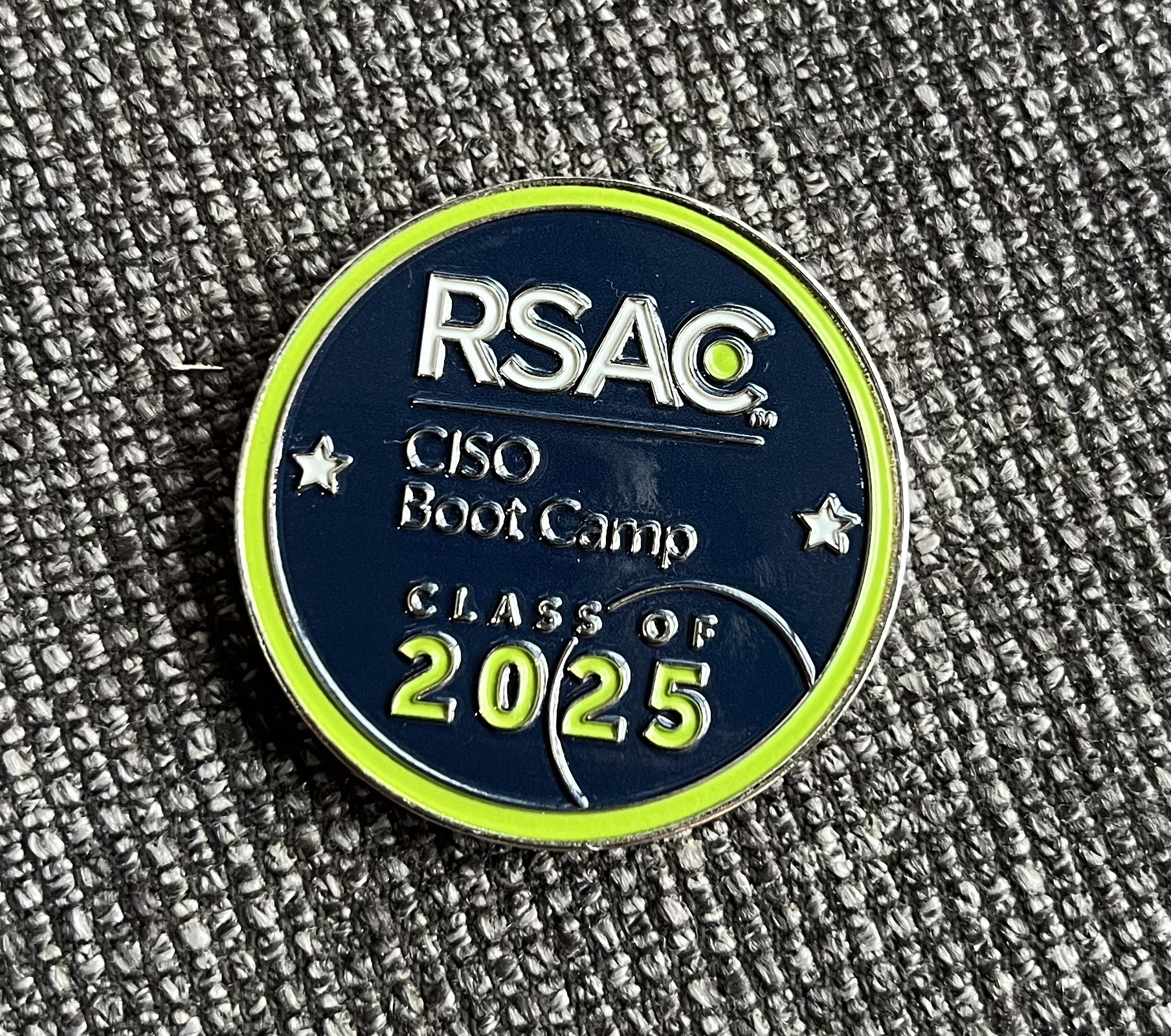
Events like this remind me how much strength there is in our community. I’m proud to contribute and be part of it. You don’t need a challenge coin to get help – if you want to compare notes or need a sounding board, reach out.
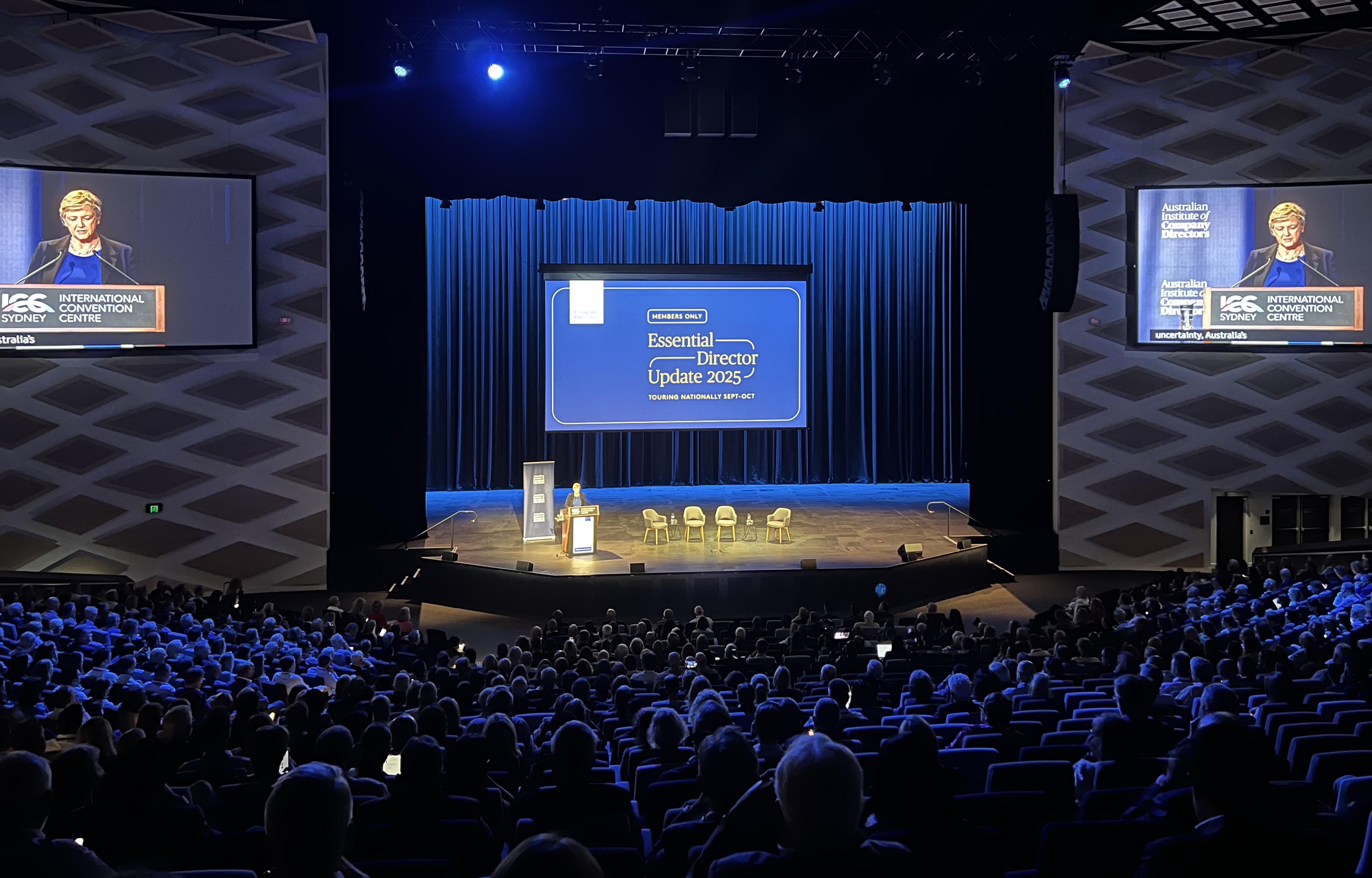
It was good to attend the Essential Director Update – a timely reminder that good governance now requires foresight as well as oversight.
Staying on the forefront of contemporary governance demands AI and cybersecurity competency.
My key takeaways for boards and executives: ☑️ Data is the fuel: protect data integrity (accurate, consistent, timely) and focus governance where it creates the most value. ☑️ AI is everywhere, no longer just an IT challenge: adopt a human-centred approach, define guardrails around intent, and factor legal and ethical considerations into every deployment. ☑️ Balance innovation with risk: prioritise highest-value use cases, automate safety controls where possible, but don’t outsource accountability. ☑️ Cybersecurity must be risk-based: know your crown jewels, expect incidents, build crisis response plans and regularly test your defences. ☑️ People first: changing work practices will affect roles and culture; steer the transition and invest in policy and education.
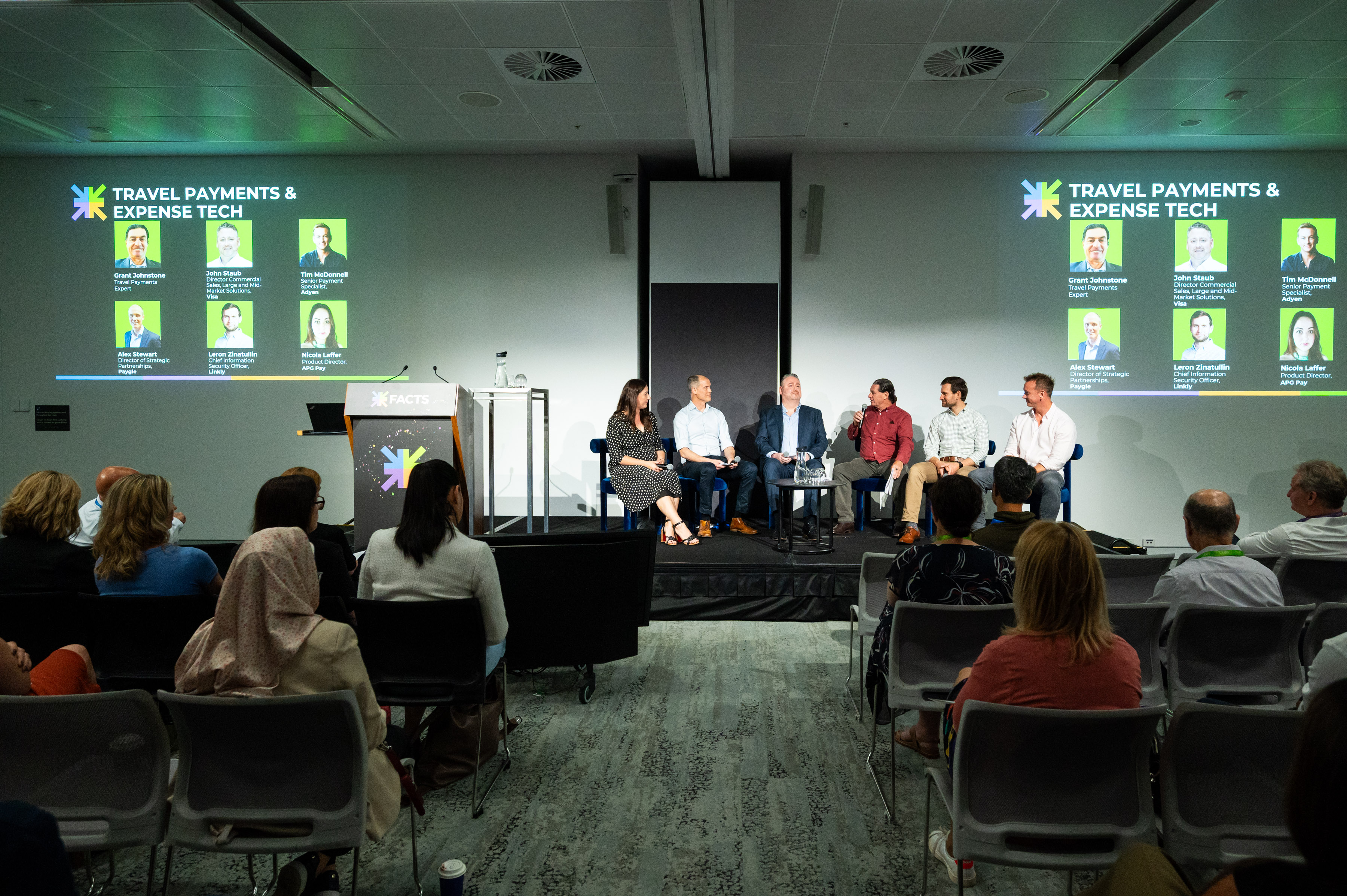
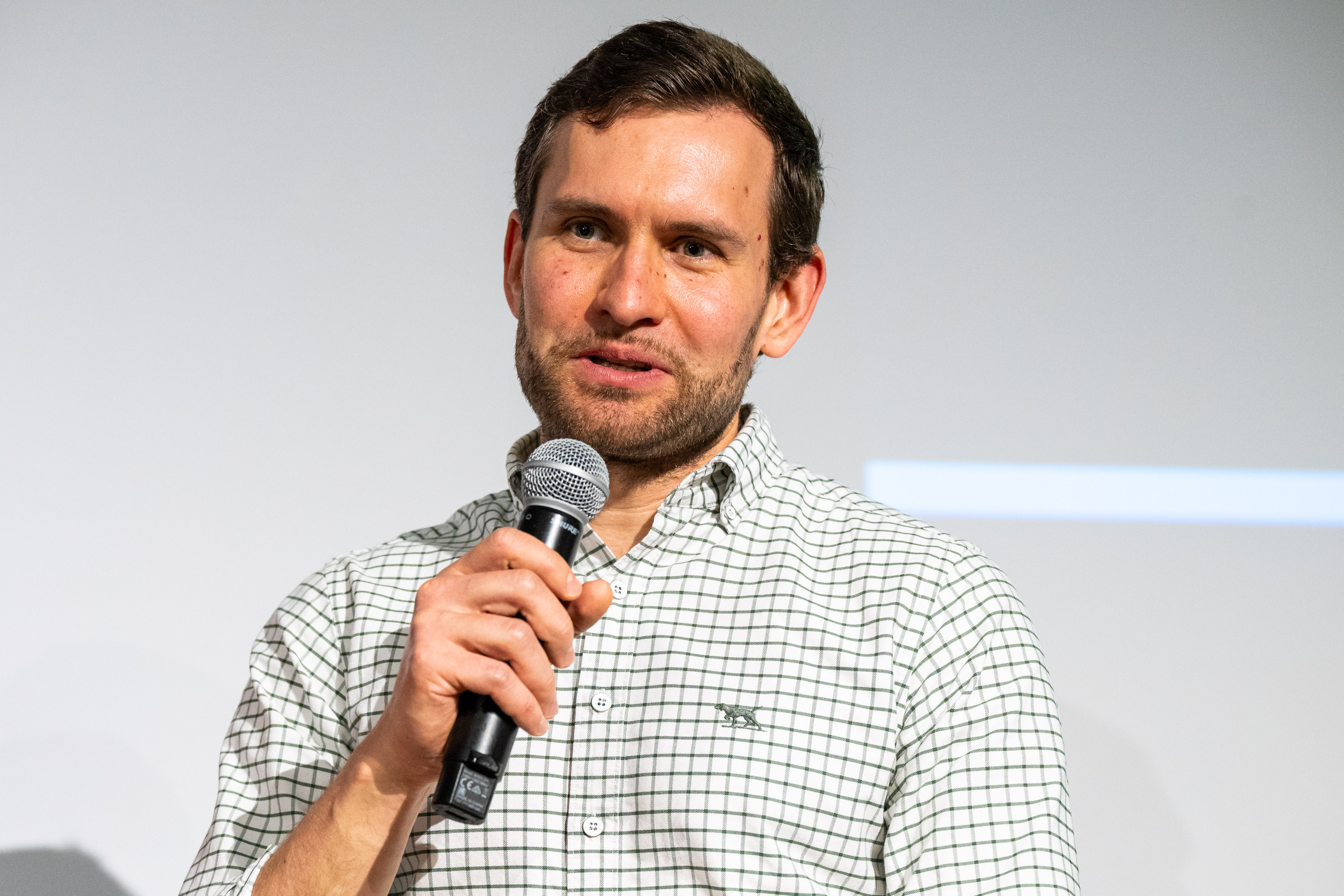
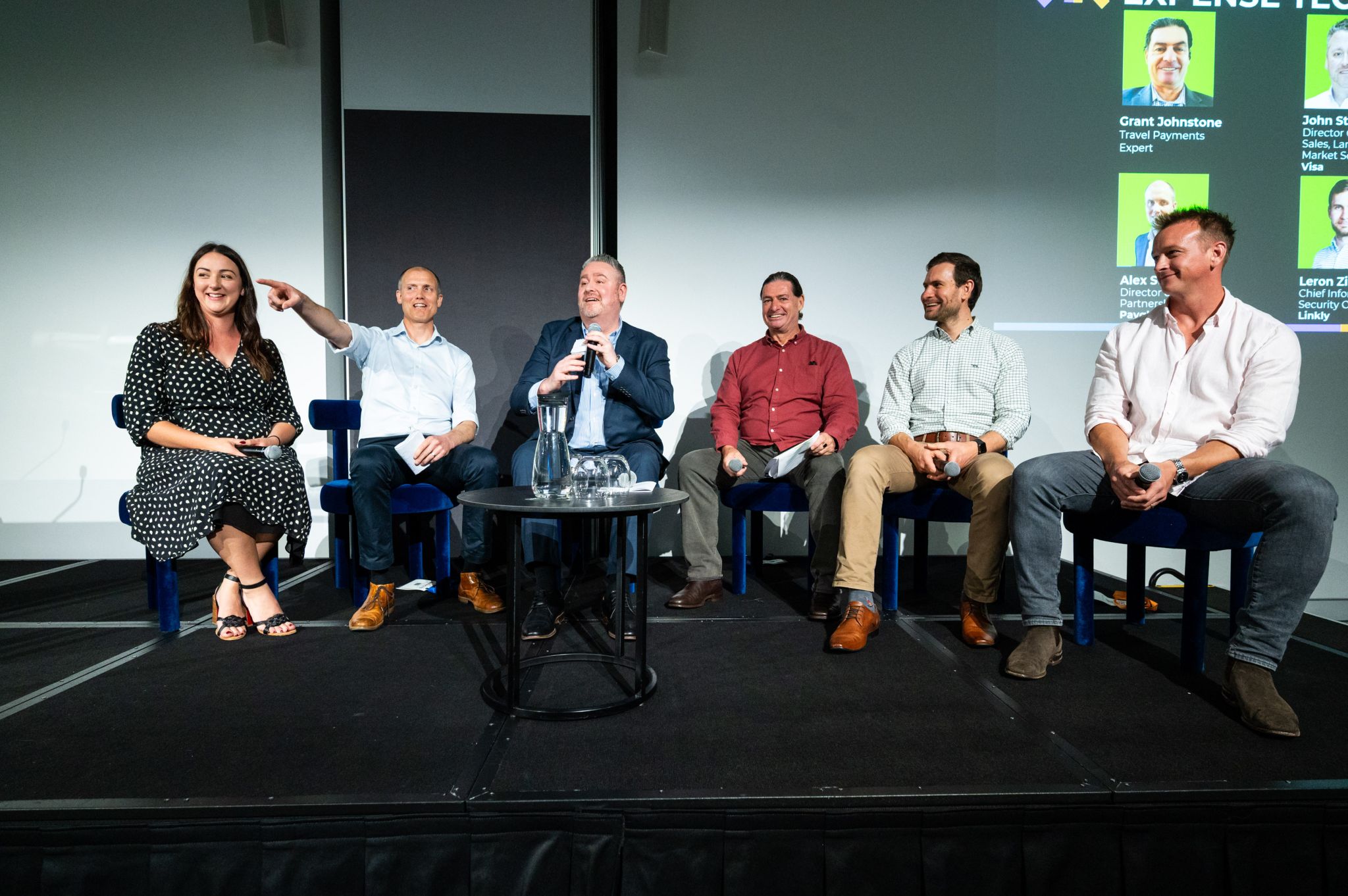
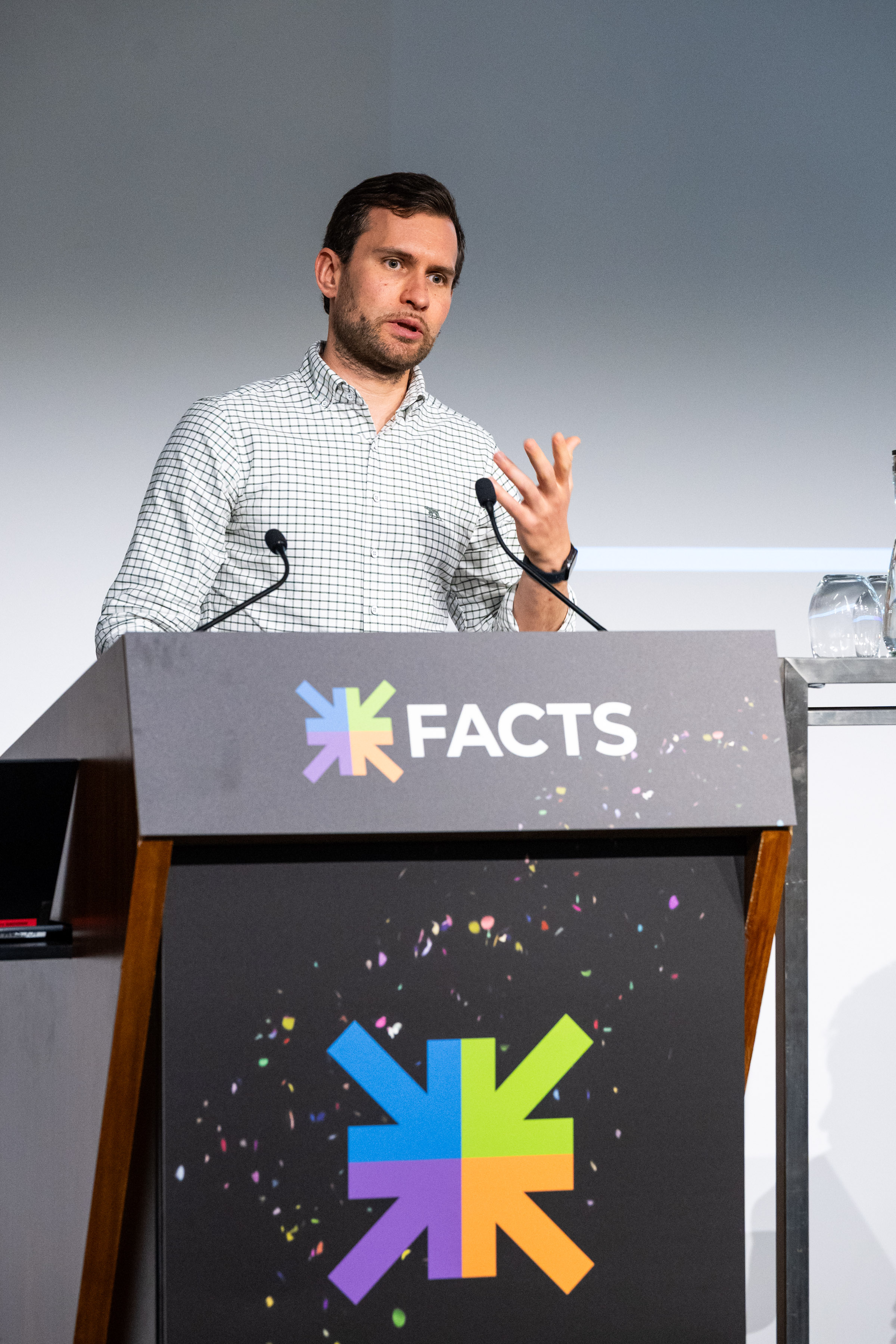
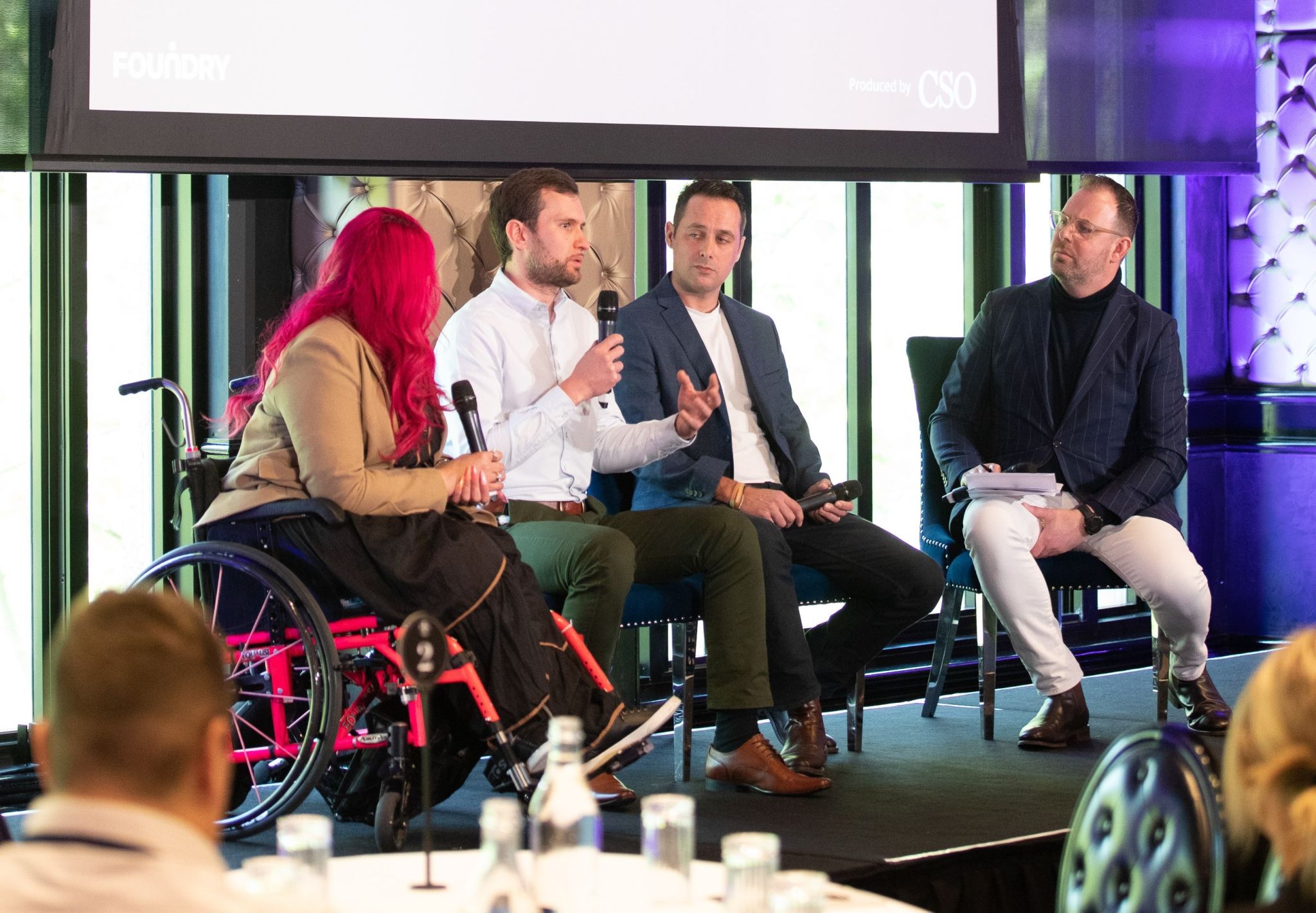
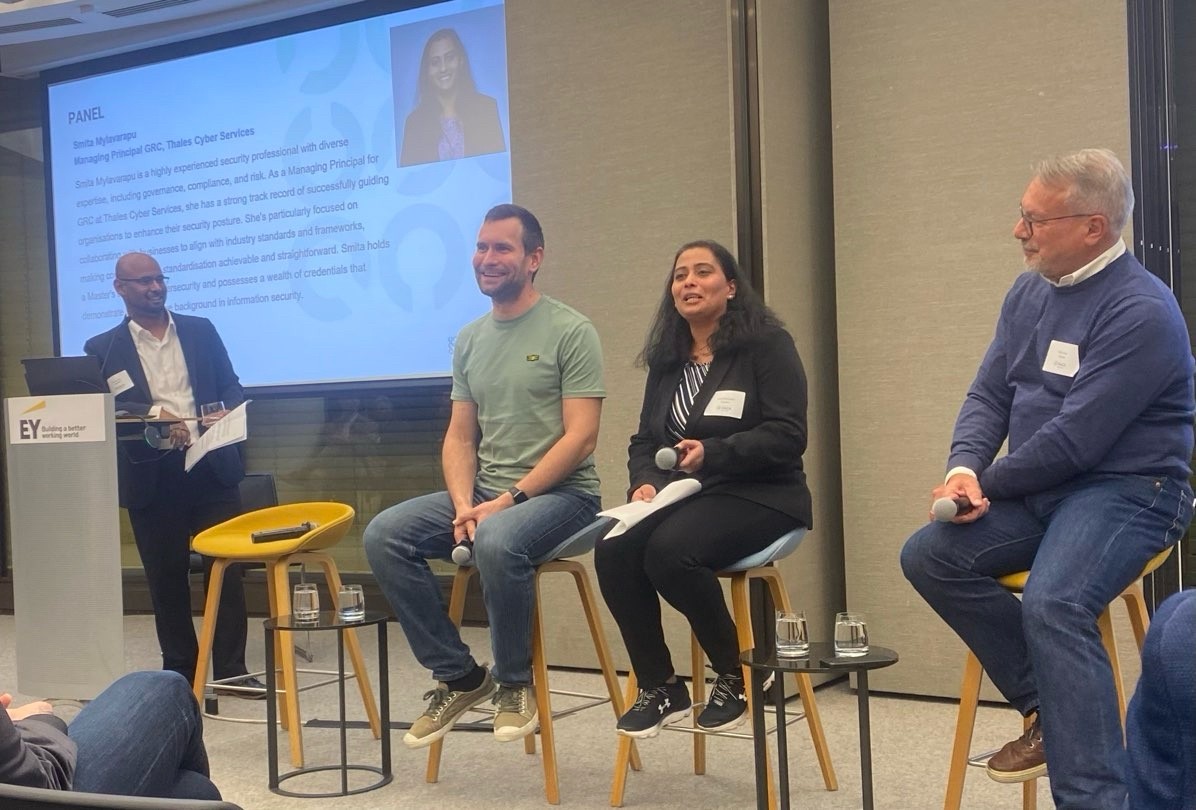
It was great to join last night’s panel, where I shared practical lessons from managing AI in vendor ecosystems – including ethical implications, regulatory uncertainties and resilience at scale.
If you run a restaurant, your supplier gives you a batch of ingredients and you use them in meals for customers. You’re responsible if the food makes people sick. AI vendors are ingredient suppliers – you are the chef.
Guardrails don’t have to block progress – they can make AI reliable and trustworthy.
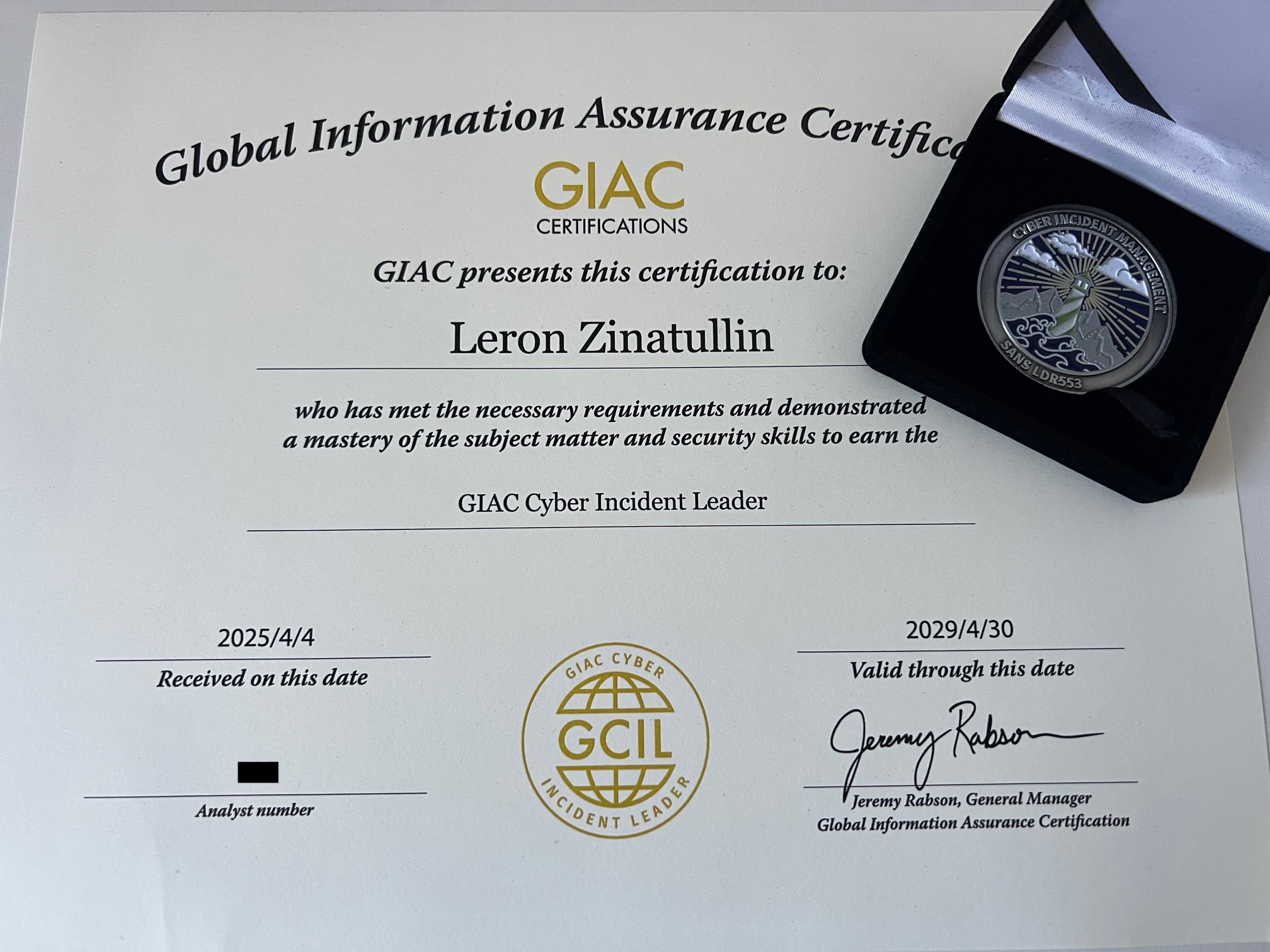
I’m proud to share that I’ve completed SANS’s LDR553: Cyber Incident Management hands-on training and earned the GIAC Cyber Incident Leader (GCIL) certification.
This course sharpened my ability to guide teams through every stage of a breach. I was awarded a challenge coin for the top score in the final capstone project.
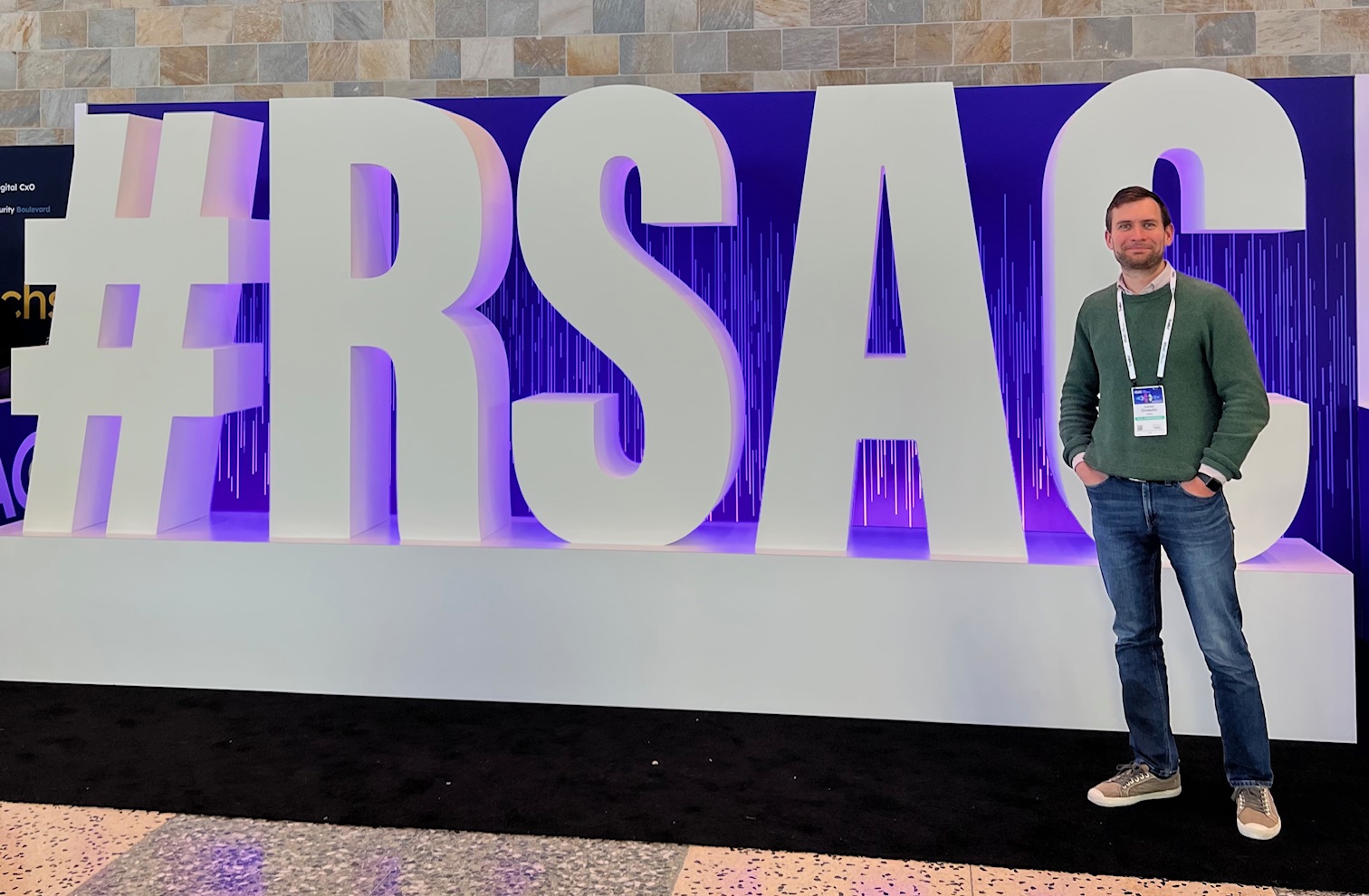
‘You won’t see it all’ – that’s what I was told before I headed out to the RSA Conference for the first time! With so many great talks, side events, meetings, vendor showcases people will have very different impressions of this event. Here are mine.
Cyber security is a relentless race to keep pace with evolving threats, where staying ahead isn’t always possible. Advancing cyber maturity demands more than just reactive measures—it requires proactive strategies, cultural alignment, and a deep understanding of emerging risks.
I had an opportunity to share my thoughts on staying informed about threats, defining cyber maturity, and aligning security metrics with business goals with Corinium’s Maddie Abe ahead of my appearance as a speaker at the upcoming CISO Sydney next month.

 Cyber Security Leadership