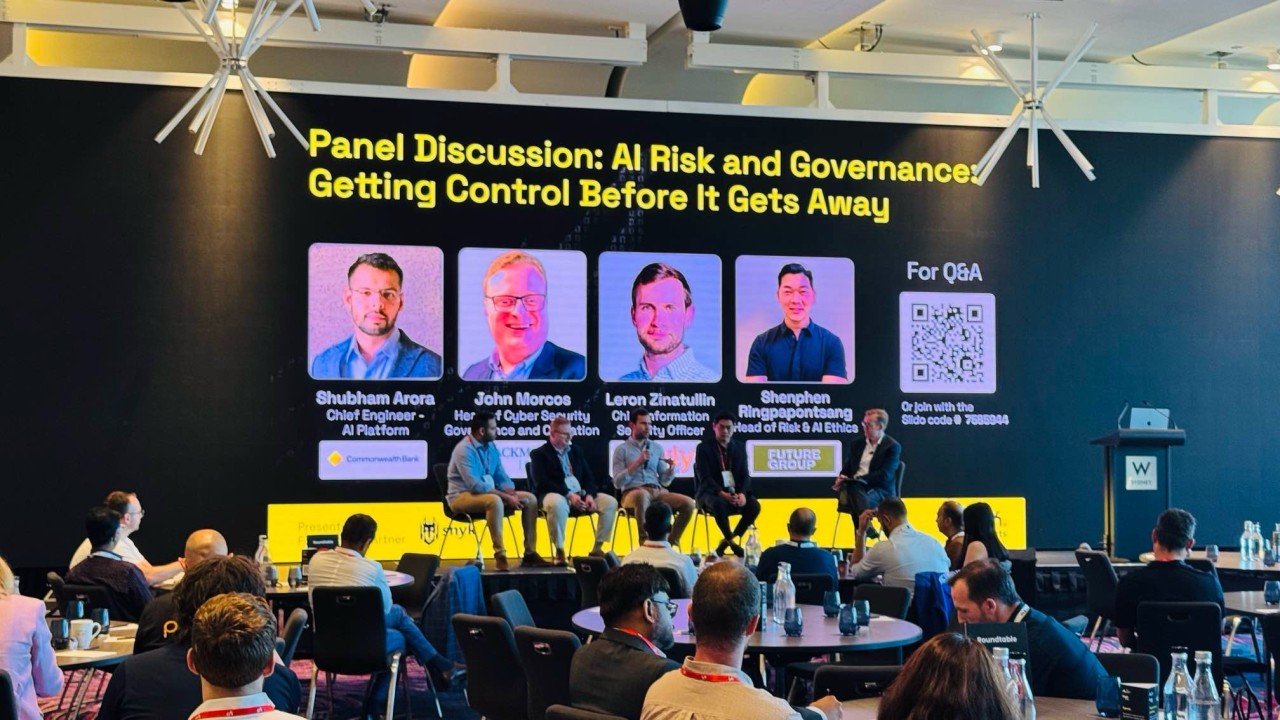
I had the privilege of sharing my views on AI Risk at the AI Security Summit, where senior leaders and practitioners came together to translate high-level fear into practical guardrails. In this blog I share a short playbook of the key themes and real-world strategies.
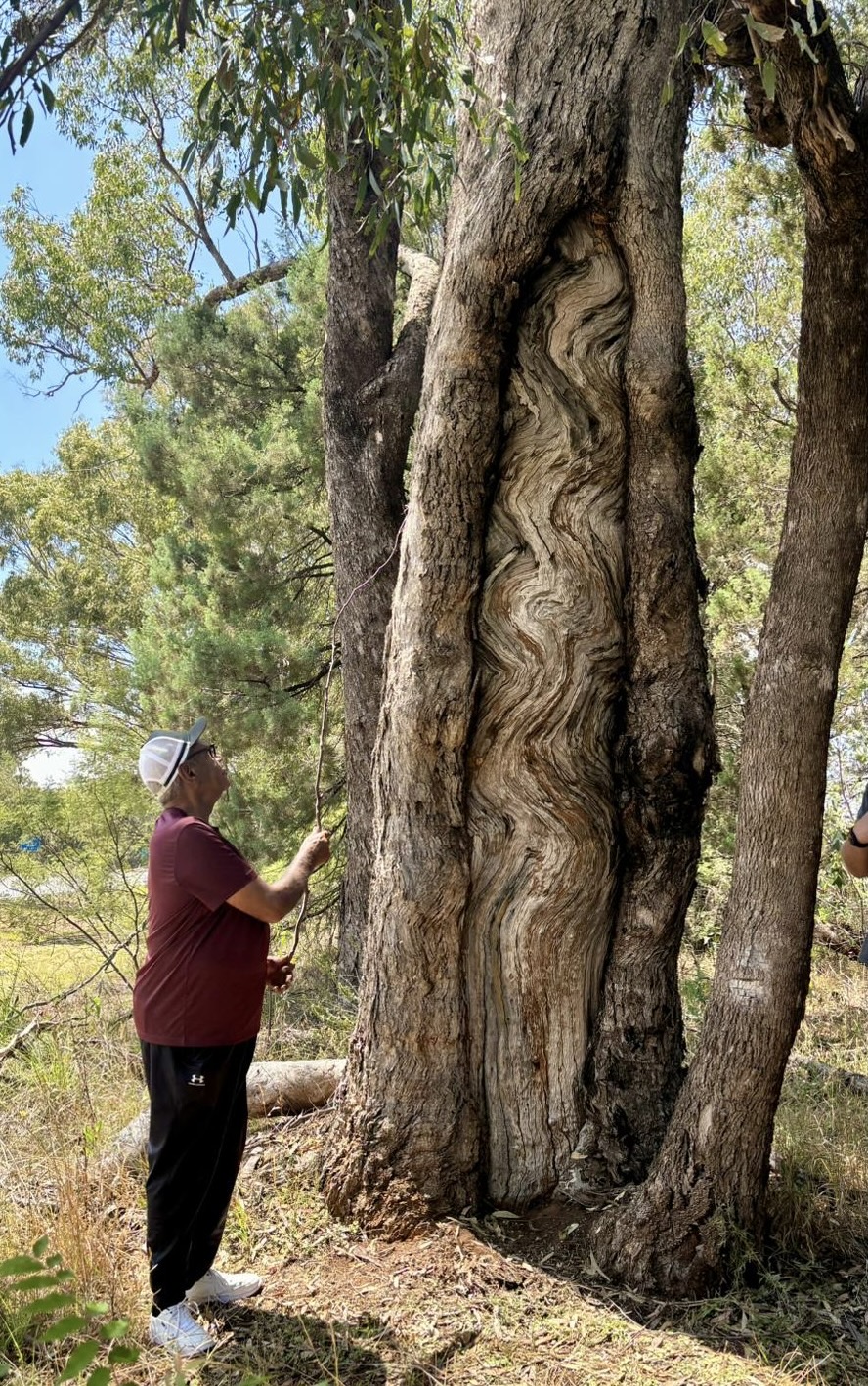
In this blog, I’m going to expand on my observations from working with Indigenous communities in Australia. I’ll adopt a more structured approach to reflective practice to crystallise the insights from my final project and the entire MBA journey.
Adapted from Kotter, J. 2007, ‘Leading change: Why transformation efforts fail’, Harvard Business Review, vol. 73, no. 2, pp. 1–10.
Cyber security leaders have to be effective change agents to be successful. Cyber capability uplift and risk reduction initiatives often require significant transformation in the organisation. In this blog, I’ll introduce a tried and tested change management framework and demonstrate its application to cyber security in an illustrative case study.
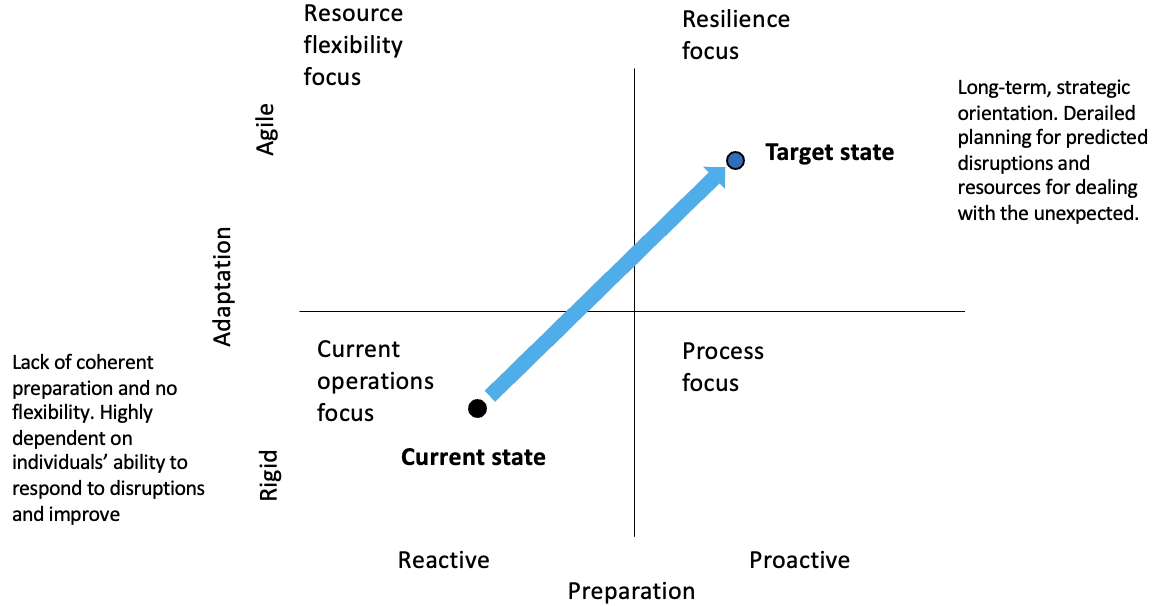
Resilience matrix, adapted from Burnard, Bhamra & Tsinopoulos (2018, p. 357).
Scenario analysis is a powerful tool to enhance strategic thinking and strategic responses. It aims to examine how our environment might play out in the future and can help organisations ask the right questions, reduce biases and prepare for the unexpected.
What are scenarios? Simply put, these are short explanatory stories with an attention- grabbing and easy-to-remember title. They define plausible futures and often based on trends and uncertainties.
I’m thrilled to join an exclusive cybersecurity investment community – Cyber Club London . CCL is a group of cybersecurity experts and leaders who have access to new and innovative early-stage startups, the opportunity to invest in them privately, and use their expertise and connections to help these startups succeed.
The community was established to provide a platform where cybersecurity leaders, executives, startups, and venture capitalists can share knowledge and work together to invest in promising early-stage companies. This closely aligns to my goals of contributing to the community and helping ventures thrive in the cyber space, serving as a Board Advisor and Non-Executive Director.
Scaled Agile Framework (SAFe) provides a way for the entire organisation to work in an agile way, not only software engineers. Security professionals, lawyers, compliance specialists and procurement teams are encouraged to engage in sprints (or ‘iterations’) too. You don’t have to write code to participate in a retrospective.
I recently had an opportunity to apply some of the Agile practices in my latest cyber security projects while going through formal Leading SAFe training at work.
Many ideas are not new, especially if you worked with Scrum previously, but they don’t have to be in order to be effective. The framework serves more as a collection of principles and a menu of techniques that can be used to transform large organisations that have ‘always done things that way’.
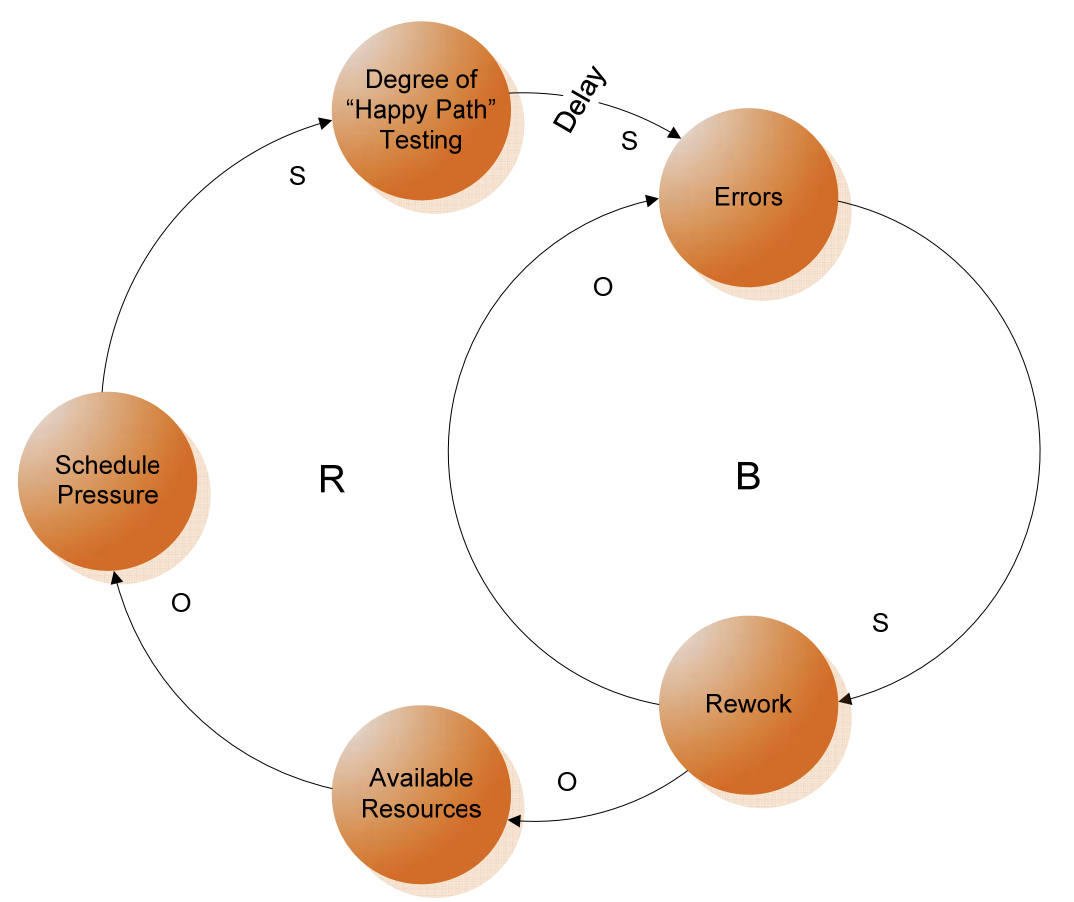
A Causal Loop Diagram of The Happy Path Testing Pattern, Acquisition Archetypes, Carnegie Mellon University
Product security is more than running code scanning tools and facilitating pentests. Yet that’s what many security teams focus on. Secure coding is not a standalone discipline, it’s about developing systems that are safe. It starts with organisational culture, embedding the right behaviours and building on existing code quality practices.
In the DevSecOps paradigm, the need for manual testing and review is minimised in favour of speed and agility. Security input should be provided as early as possible, and at every stage of the process. Automation, therefore, becomes key. Responsibility for quality and security as well as decision-making power should also shift to the local teams delivering working software. Appropriate security training must be provided to these teams to reduce the reliance on dedicated security resources.
I created a diagram illustrating a simplified software development lifecycle to show where security-enhancing practices, input and tests are useful. The process should be understood as a continuous cycle but is represented in a straight line for the ease of reading.
There will, of course, be variations in this process – the one used in your organisation might be different. The principles presented here, however, can be applied to any development lifecycle, your specific pipeline and tooling.
I deliberately kept this representation tool and vendor agnostic. For some example tools and techniques at every stage, feel free to check out the DevSecOps tag on this site.
Drawing on my experience in securing technology startups and software companies, I wrote a guest blog for ISACA on how to embed security in the modern product development. You can check it out here.




 Cyber Security Leadership