Inclusion and accessibility: shaping culture and driving business outcomes

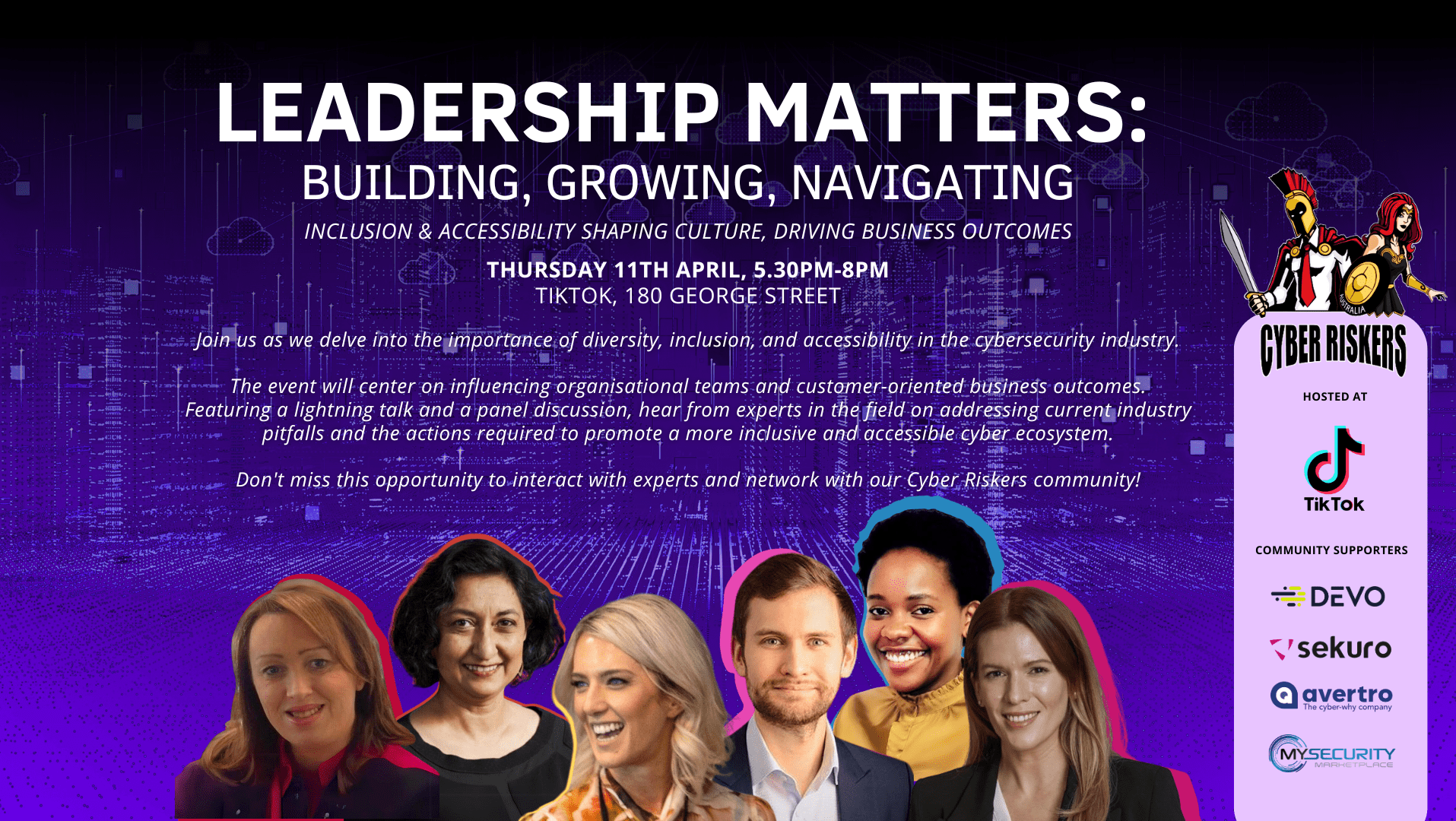
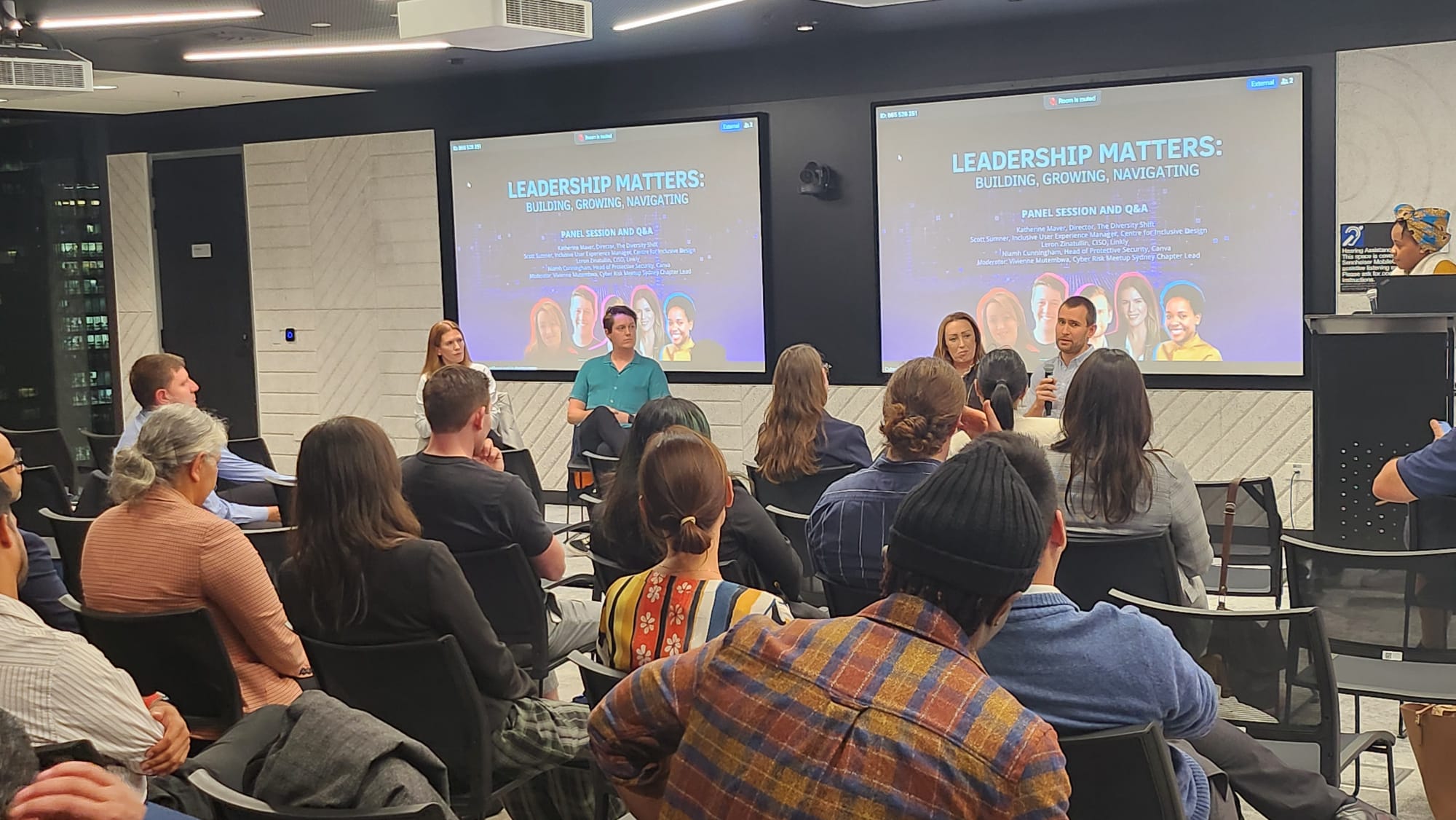
I’m grateful to have had an opportunity to continue to learn and contribute to the important discussion on building the culture of diversity, inclusion and accessibility in cyber security.

I like being on panels like this because it gives me an opportunity to share my views and continue to educate myself not only through research but also through lived experiences.

I believe shaping the inclusive culture begins with creating awareness about the barriers to diversity and inclusion. Accessibility is an important consideration. Testing new systems and processes with people with accessibility needs is key to discovering where issues may exist.

The best way to make security more accessible is to engage with the people who interact with it. Treating usability and accessibility together with other security requirements rather than a separate item is useful to ensure it gets built-in from the start.
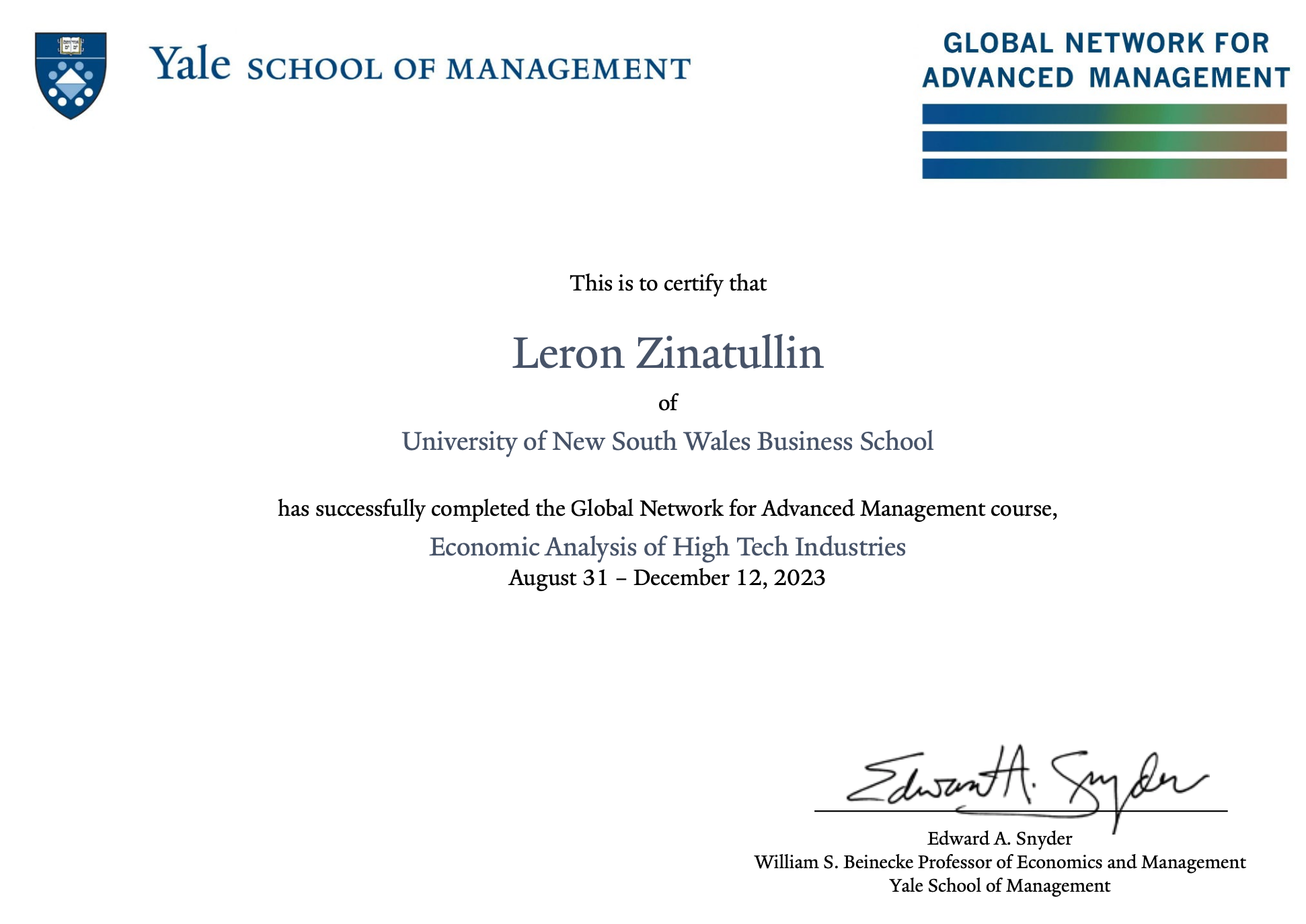
Economic analysis of high-tech industries

What supply and demand factors are influencing the current industry equilibrium? What types of economies are most relevant for firms in the industry? Will firms with large shares earn above-normal profits?  Are the positions of incumbents “contestable”? Are these industries global or local? Does a firm’s success in one industry yield competitive advantages in others? Do the valuations of individual companies operating in these industries make sense?  How will major technological changes, e.g., 5G and AI, affect the industry and individual firms? What regulatory and legal issues are most relevant? 

These and many other questions were discussed during my semester exchange at the Yale School of Management as part of my Executive MBA program.

More

Applying MBA concepts to cyber security

Source: adapted from Grewal et al (2021)

Following-up on my recent update on starting an Executive MBA, I wanted to share that I’ve reached a milestone in my learning journey; I’m half-way through with six modules completed.

I already wrote about Data Analytics and Decision Making and in this blog I’ll briefly summarise a few other courses I’ve completed and how some of the learnings can be applied to cyber security leadership.

More

CISO’s perspective: a guest lecture at UNSW

As technology becomes increasingly integrated into our daily lives, the importance of cyber security cannot be overstated. Cyber attacks are becoming more sophisticated, and the costs associated with them are rising. This is why it is crucial for businesses and organisations to have a robust cyber security strategy in place.

Recently, I had the opportunity to deliver a guest lecture at the University of New South Wales as part of the Cybersecurity Management and Governance course.

I discussed the importance of having a clear understanding of cyber security threats. I emphasised that cyber threats are constantly evolving, and businesses need to stay vigilant and adapt their security measures accordingly. This means that cyber security is not a one-time fix; it requires continuous effort.

I also spoke about current challenges and opportunities in the field and what skills and ways of thinking are particularly useful. It was a fantastic experience, and I appreciated the chance to share my insights with a group of future cyber security professionals.

Working together to nurture the next generation of cybersecurity ventures

I’m thrilled to join an exclusive cybersecurity investment community – Cyber Club London . CCL is a group of cybersecurity experts and leaders who have access to new and innovative early-stage startups, the opportunity to invest in them privately, and use their expertise and connections to help these startups succeed.

The community was established to provide a platform where cybersecurity leaders, executives, startups, and venture capitalists can share knowledge and work together to invest in promising early-stage companies. This closely aligns to my goals of contributing to the community and helping ventures thrive in the cyber space, serving as a Board Advisor and Non-Executive Director.

Starting an Executive MBA

It’s widely understood that cybersecurity should support the business – it’s a common theme of this blog. However, it’s often difficult to achieve true alignment without understanding the business context, priorities and challenges and being able to communicate in the language of business stakeholders.

I decided to enrol to the Master of Business Administration (Executive) degree to broaden my knowledge and enhance my strategic thinking to better serve organisations. Developing my skills in finance, leadership, strategy and innovation will help equip me to better understand current challenges and make a positive, lasting impact. The Australian Graduate School of Management (AGSM) program at the University of New South Wales will help me learn about the latest business practices and how to effectively apply them to add value to the business.

I have a strong technical background and analytical skills and I look to build on this foundation to enhance my contribution to the C-Suite. Throughout my career I’ve worked in consulting, corporate and startup organisations; my understanding of challenges and opportunities of both large corporations and nimble startups globally will bring a unique perspective to the AGSM community. I can also leverage my extensive professional network around the world to support fellow Executive MBA candidates and alumni.

I’ll be writing about my experience and learning in this blog, so stay tuned for more updates on how cybersecurity practices can be aligned to wider business strategy and objectives.

Working with Indigenous communities in Australia

I recently completed a six week secondment, working in an Aboriginal community organisation on the Far West Coast of South Australia. I had the privilege to listen, learn and understand some of the challenges faced by Indigenous communities across Australia and apply my skills to contribute to their long-term success. 

Transferring my knowledge and skills to these communities was a very enriching experience both personally and professionally and something I would like to continue being involved with in the future.

In this blog I would like to summarise my experience participating in this Jawun secondment.

More

Professional certifications

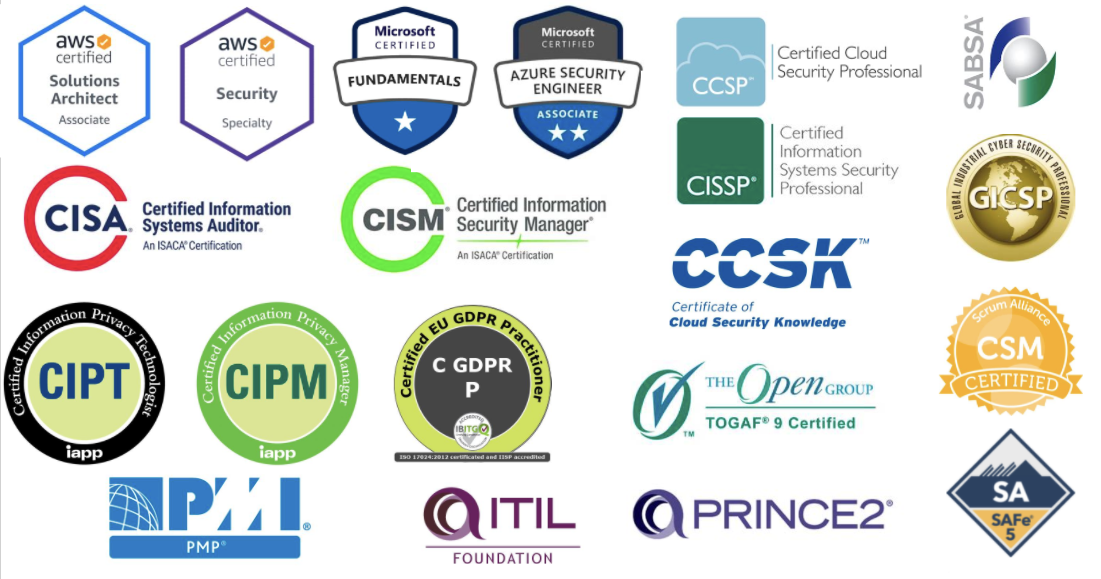
Over the years I’ve had the opportunity to acquire multiple professional certifications in cloud security, project management, industrial control systems security, data privacy, architecture and more.

Passing an exam, of course, doesn’t make you an expert: a credential itself doesn’t always guarantee skill. However, I found the process of studying for one rewarding in itself.

It helps structure your existing knowledge and learn a few new things that you could’ve otherwise missed along the way. Combining your prior practical skills with some of the good practices at the heart of these certification paths also allows for continuous improvement.

I write about how to pass some of these exams on this site, so feel free to get in touch if you would like to discuss my preparation strategies and exam tips.

Welcome to Australia

Some exciting news – I have relocated to Australia 🇦🇺

I’m honoured to be awarded the Distinguished Talent (now called Global Talent) visa for my ‘internationally recognised record of exceptional and outstanding achievement’ in cyber security.

Although I will miss the UK, my friends and colleagues there, I look forward to the next adventures in Sydney.

Cyber security: a global perspective

While in the lockdown in the UK, I was reflecting on the many countries I had a chance to work and travel to in my career so far.

Following-up from my previous blog on lessons I learned from working in cyber security across multiple sectors, geography is another lens I can apply when thinking about the diversity of cyber security projects I had a chance to contribute to and people to work with.

It was a pleasure to serve clients and collaborate with colleagues from all over the world and this really gave me a global perspective on cyber security challenges across continents.

I was fortunate to visit more places than mentioned on this map, however, the ones I selected here were the most memorable and challenging from a project perspective. 

There are still plenty of countries I have yet to explore, so I’m eagerly awaiting the time when it’s safe to travel again.