The application of AI for cyber defence: RSAC CISO Bootcamp

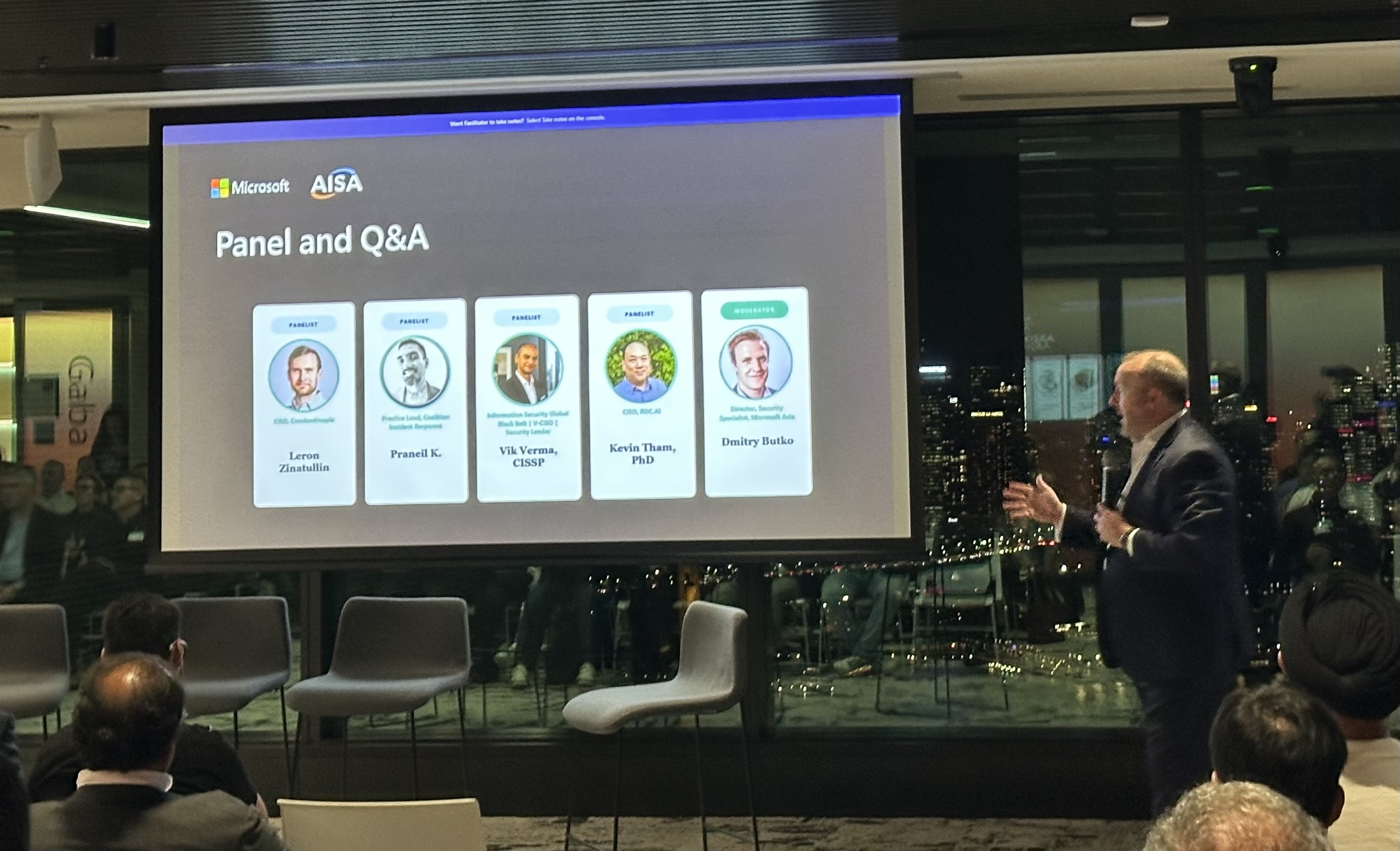
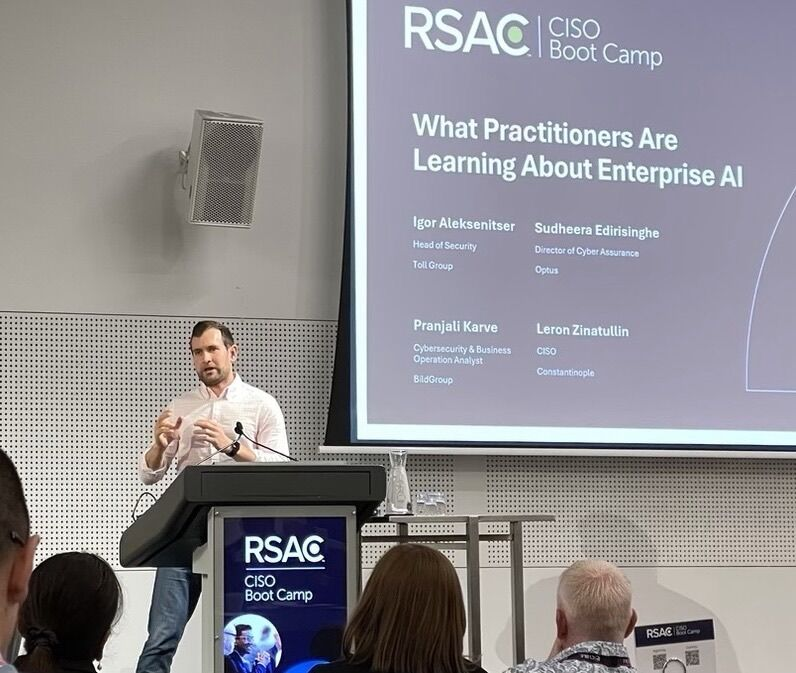
It was great to share my views on AI governance and the application of AI for cyber defence at the RSAC CISO Bootcamp.

I loved the audience participation – it’s a great community, and it’s a privilege to be able to exchange actionable tips with my peers.

Another wonderful day packed with practical sessions on cyber risk, board reporting, crisis response exercise practice, frontier AI model risk management, data breach mitigation and more.

Where else would you talk to the Deputy CISO of Anthropic and the former director of the US Cybersecurity and Infrastructure Security Agency (CISA) on the same day?

Unprompted: at the intersection of state-of-the-art AI and cybersecurity research

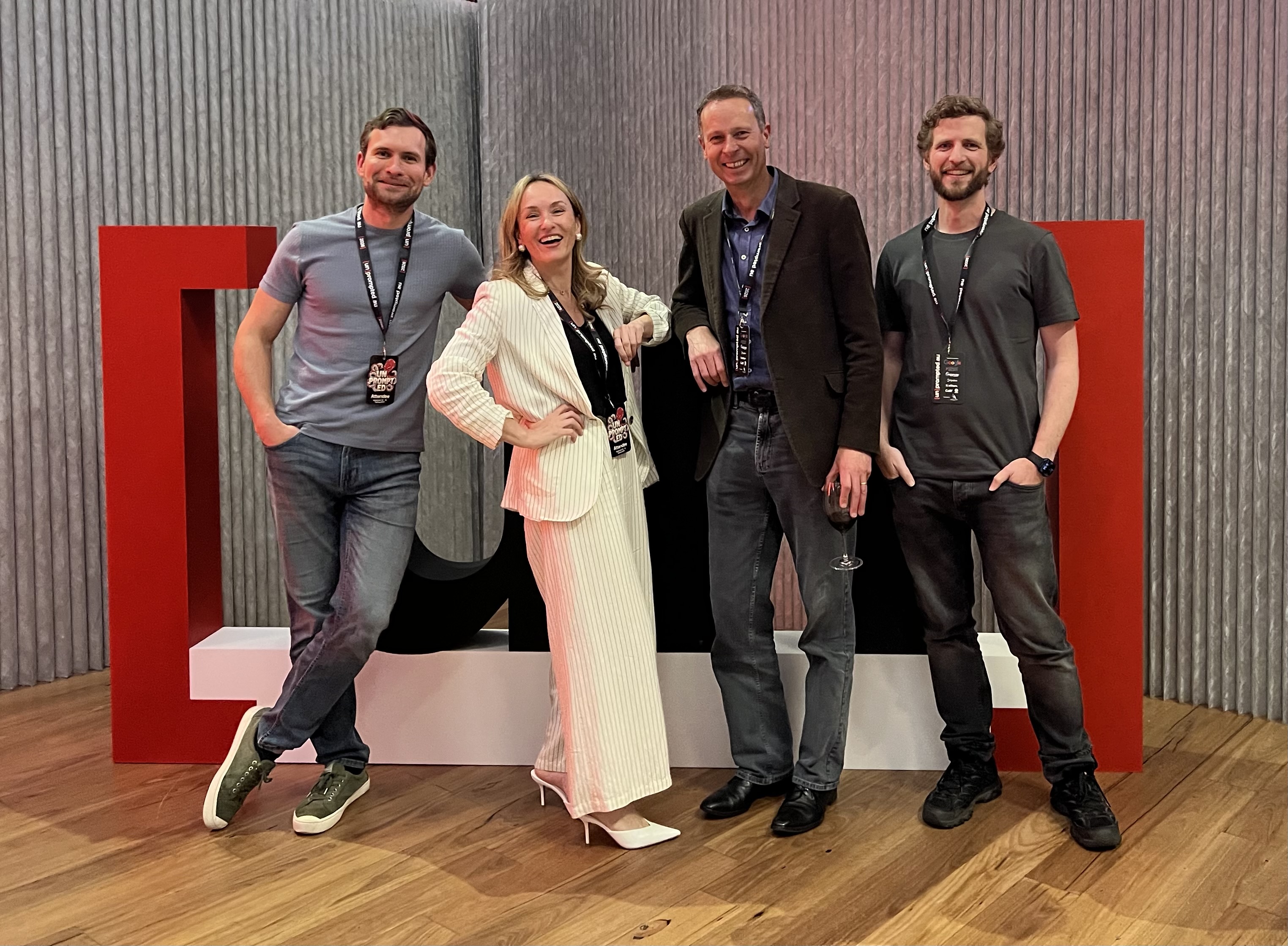
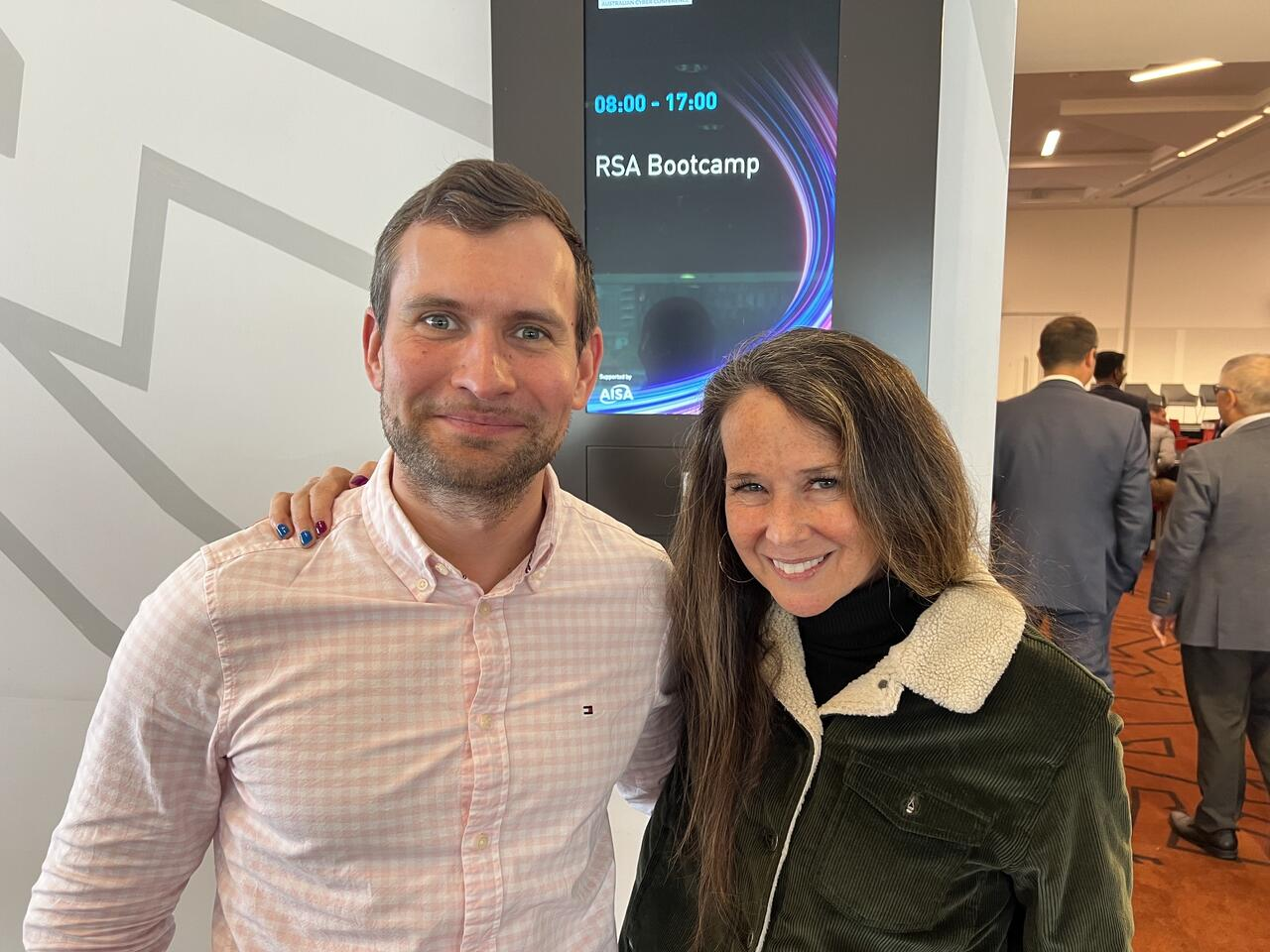
It was great to learn more about the state-of-the-art research in cybersecurity applications of AI, both from the attacker and defender’s perspectives at the Unprompted conference in Sydney today.

The talks from engineers at OpenAI, Google, Microsoft, TikTok, Slack and many others demonstrated the practical use cases for threat hunting, vulnerability discovery, detection and response to speed up and automate workflows.

Safety, cost management and scale were the top themes for me – you don’t always need the latest model for every task, deterministic scripts can complement your agentic AI pipelines, guardrails and alignment are still key. Best results live at the intersection of system automation and human judgment.

And, of course, it’s the people who make events like this so worthwhile – it was good to catch-up with old friends (and make some new ones) and exchange ideas and research. AI and cybersecurity is a team sport. Reach out if I can help.

I look forward to experimenting and applying technical insights at work.

Securing critical national infrastructure

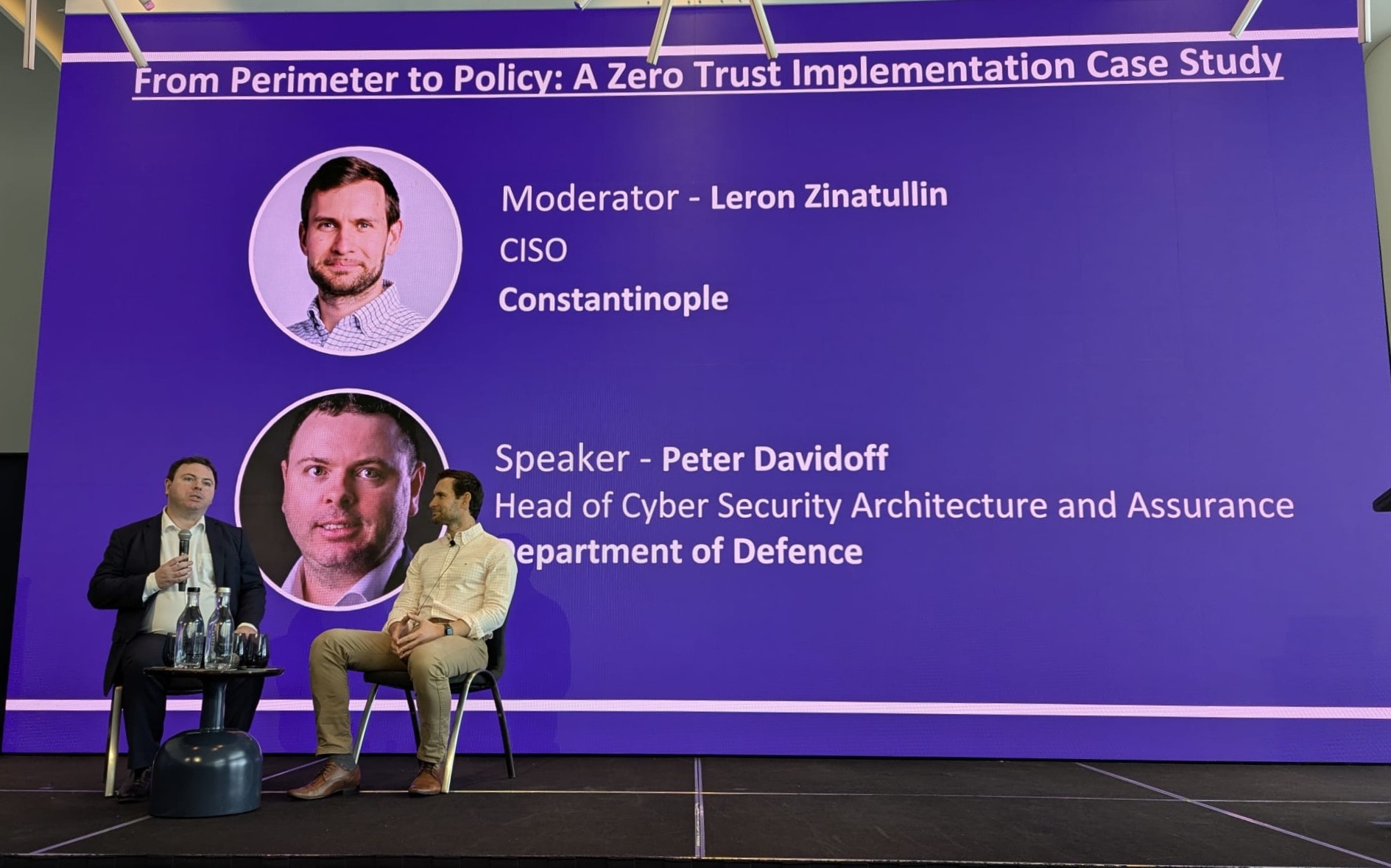
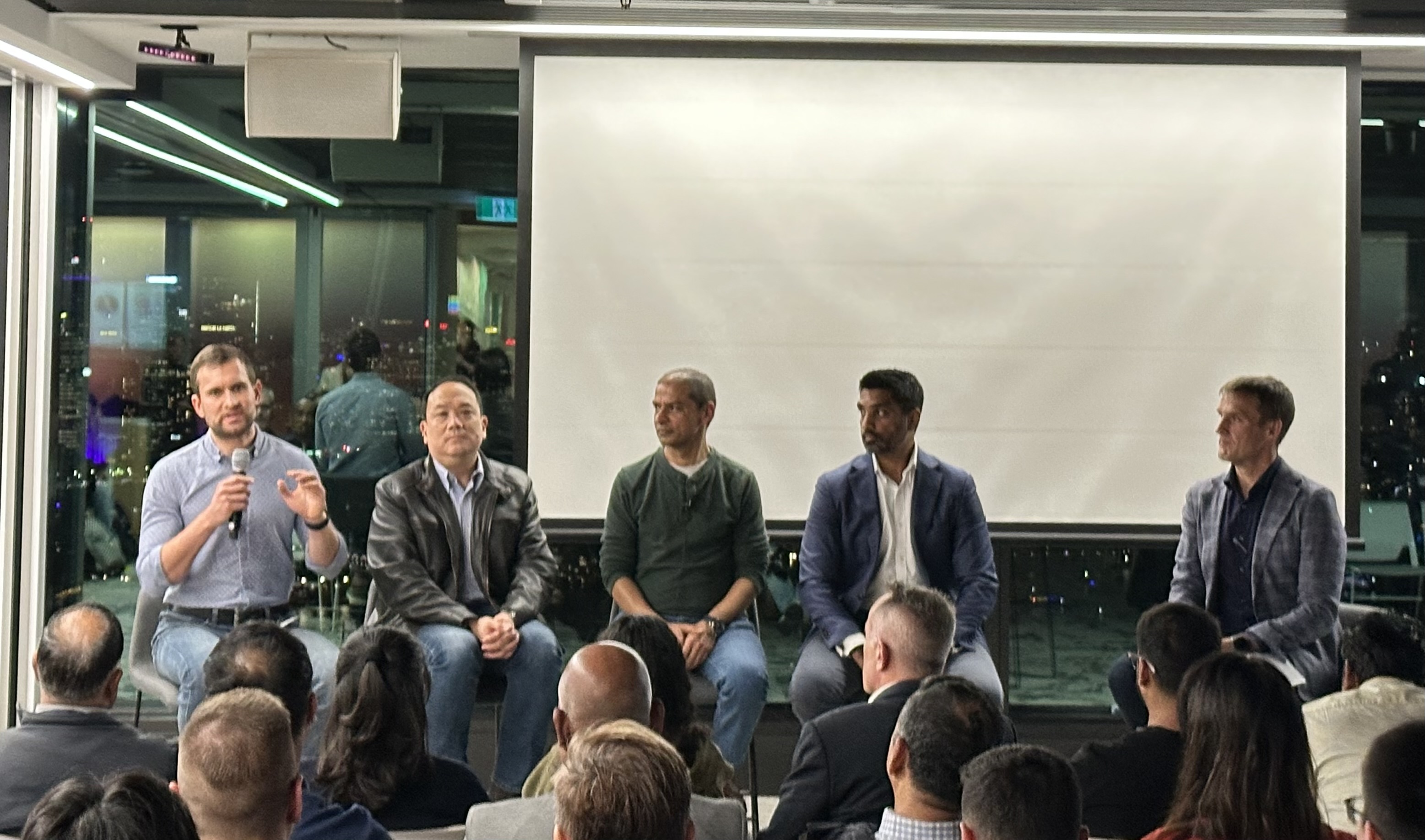
I had a great time talking to Peter Davidoff from the Australian Government about the evolving approach to security.

We touched on the challenges and opportunities of securing critical national infrastructure, the increasing role of AI and practical examples of developing a defence-in-depth approach to security architecture.

A big thanks to the audience for great questions!

Key points from the CIO keynote

Security failures are rarely just a technology problem. They’re a design problem – a mismatch between how controls are built and how people actually work.

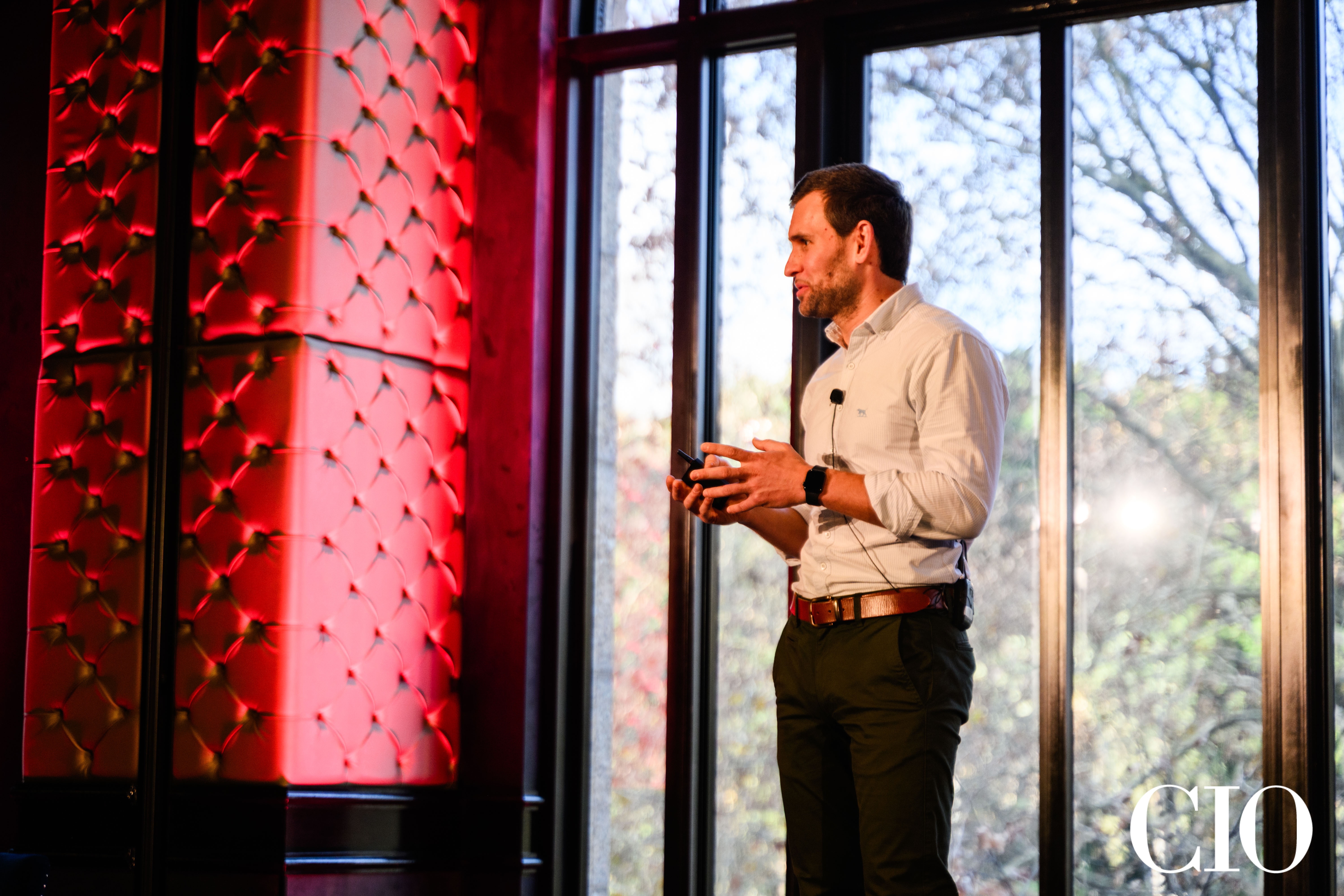
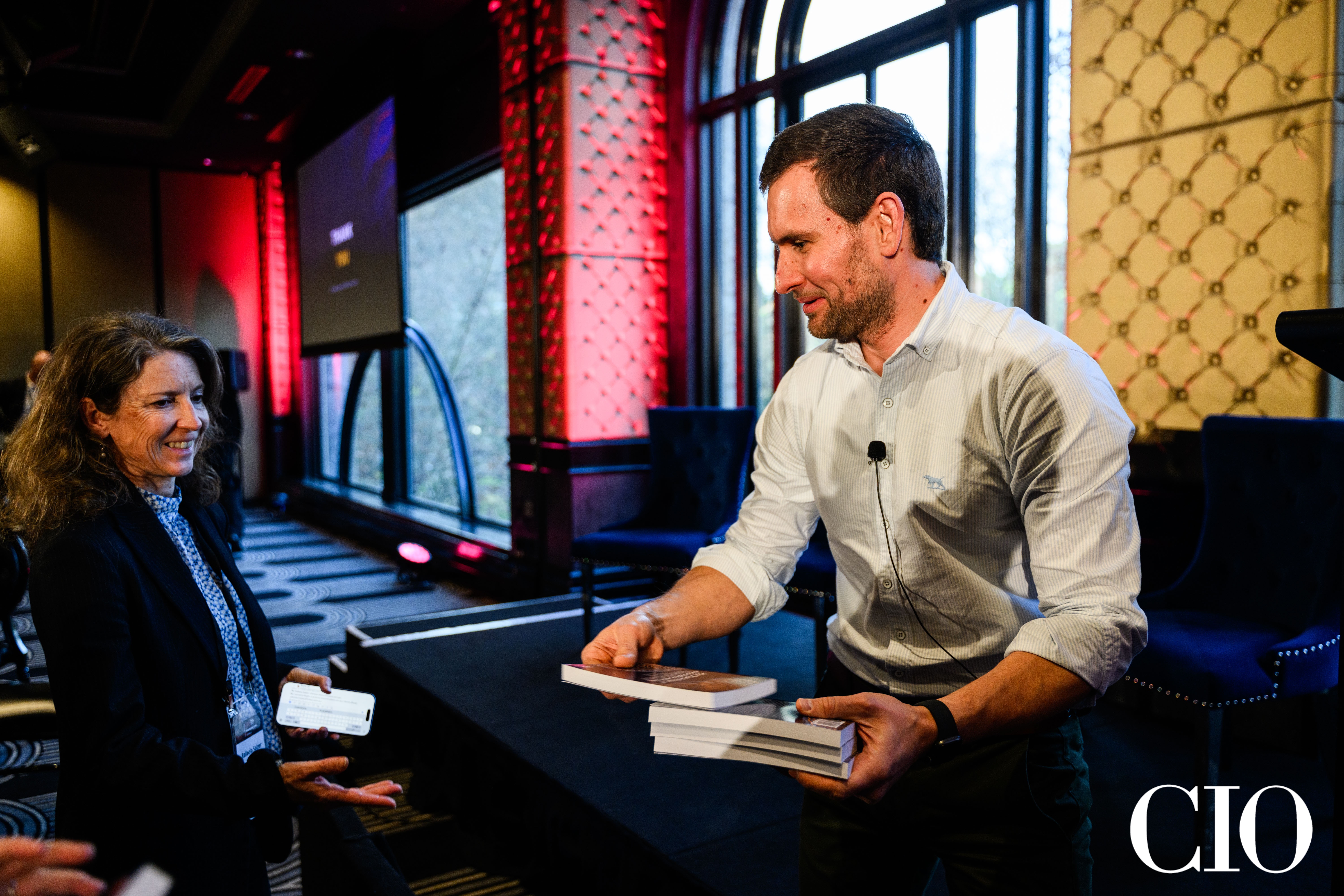
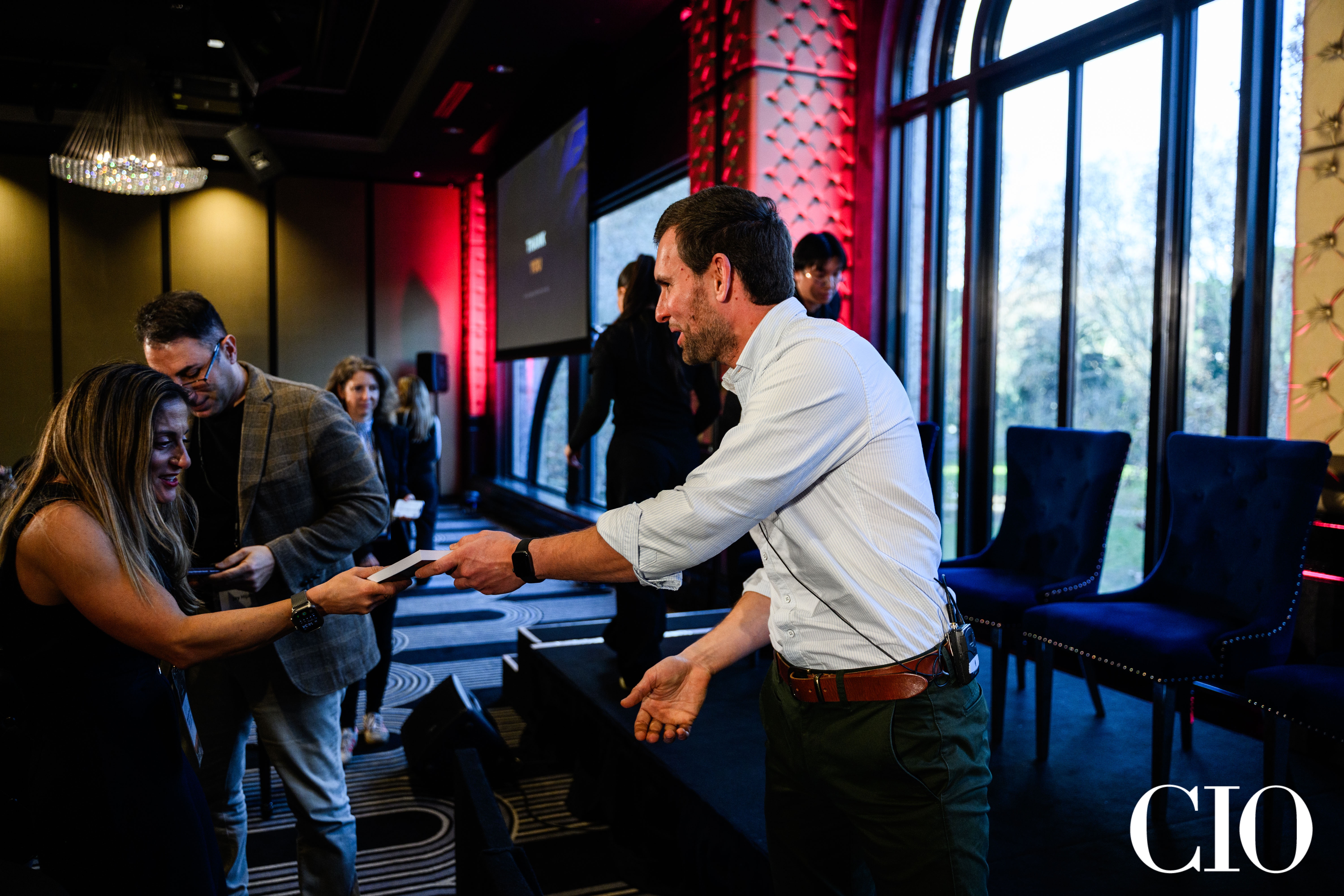
That was my message keynoting at CIO Leadership Live.

AI has amplified the security fundamentals.

☑️ Defaults beat persuasion: passkeys by default, automatic updates, SSO. The secure choice should be the easiest choice.
☑️ Shadow AI is a friction signal, not a compliance failure. If people are pasting data into unapproved chatbots, your sanctioned path is too slow. Give them a fast, safe alternative.
☑️ Build trust, not fear. Blameless reviews and visible leadership create the psychological safety people need to report incidents early.

The CIOs who win with AI won’t be the ones with the strictest rules but the ones whose guardrails make the secure way the easy way.

More

Guest lecture: developing and implementing a security strategy

I had the pleasure of delivering a guest lecture on developing and implementing a cybersecurity strategy to students at the School of Information Systems and Technology Management, UNSW.
 
A security strategy is a set of decisions about what you will and won’t prioritise, made under real constraints – budget, headcount and a threat landscape that doesn’t wait for your roadmap to catch up.
 
Strategy starts with the business. If you can’t explain your security priorities in terms of what the organisation is trying to achieve, you won’t get the backing.
 
With AI, the fundamentals are still important, but the timelines are now compressed.
 
Thank you UNSW for the invitation, and to the students for the great discussion. This cohort is entering the field at a very interesting moment.

Build Security for People – a keynote at CIO Leadership Live

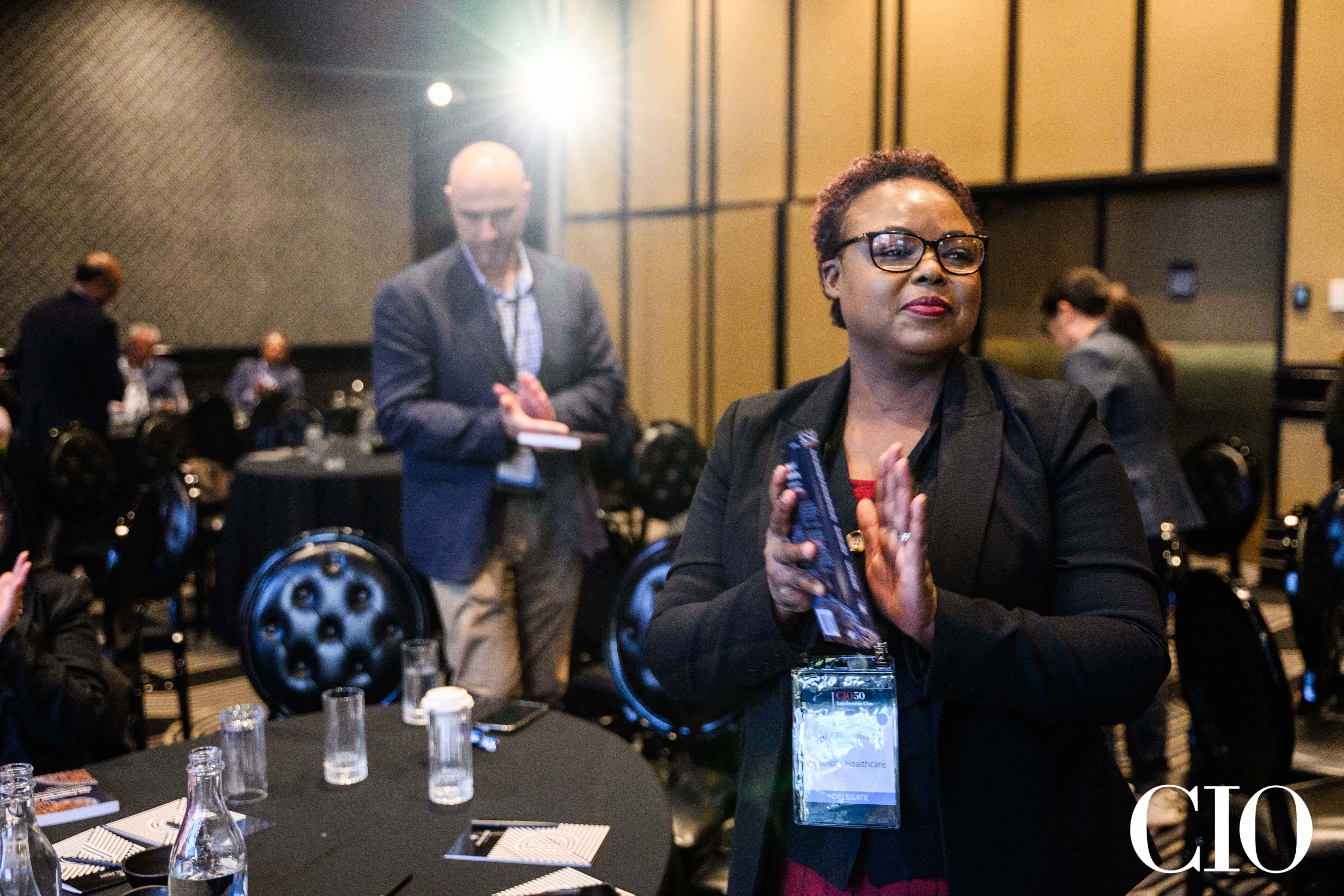
I delivered a keynote at CIO Leadership Live.

For about a decade, our industry has had a favourite phrase: people are the weakest link. I made the opposite case – that the people we’ve been blaming are the most capable security asset we have, and we’ve spent that decade building systems that fight them instead of fit them.

The talk covered why training and punishment don’t work, why every workaround is actually free user research, and how you design your way to secure behaviour by making the secure path the easy path. And of course, where AI fits into all of it.

The intersection of AI and Cyber

It was great to share my thoughts on the intersection of AI and Cyber.

I kept it practical and worked through three key dimensions: how AI is changing the defender’s day-to-day, how we secure AI itself and how we defend when AI becomes the threat.

It was particularly relevant given the latest frontier model releases, like Anthropic’s Fable / Mythos (and OpenAI’s GPT-5.5-Cyber) and their applications to cybersecurity.

If attackers and defenders now have the same AI capabilities, your advantage comes not from the tools but from your people, your data and how well you’ve done the fundamentals.

Grateful to the panel and to everyone who put their hand up and got stuck into the discussion.

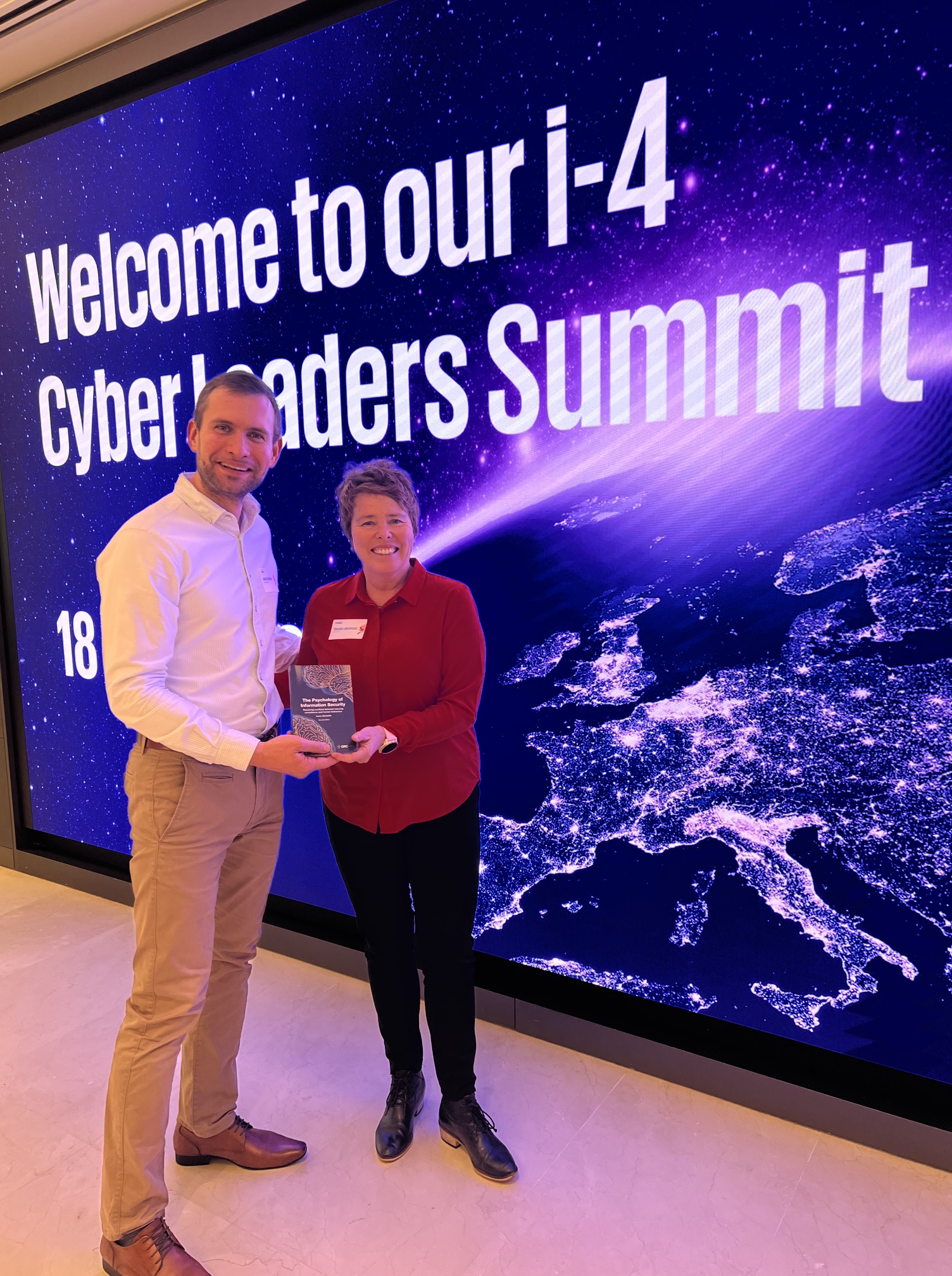
Notes from i-4 Sydney

A day of sessions on AI in the SOC, OT resilience, fragmenting regulation and machine-speed response.

We build systems that assume the human in the loop has steady attention and reliable judgement. Neither is true, and it is getting less true. Every alert, prompt, exception, and “are you sure?” draws from the same depleting account. By afternoon, the analyst approving a transfer, the engineer waving through a change and the executive clicking an MFA push are all running on the same low battery.

AI does not solve this. It compresses the timeline and raises the stakes of each remaining human decision. The questions we still hand to people – is this normal? do I trust this? should I escalate? – are exactly the ones tiredness destroys first.

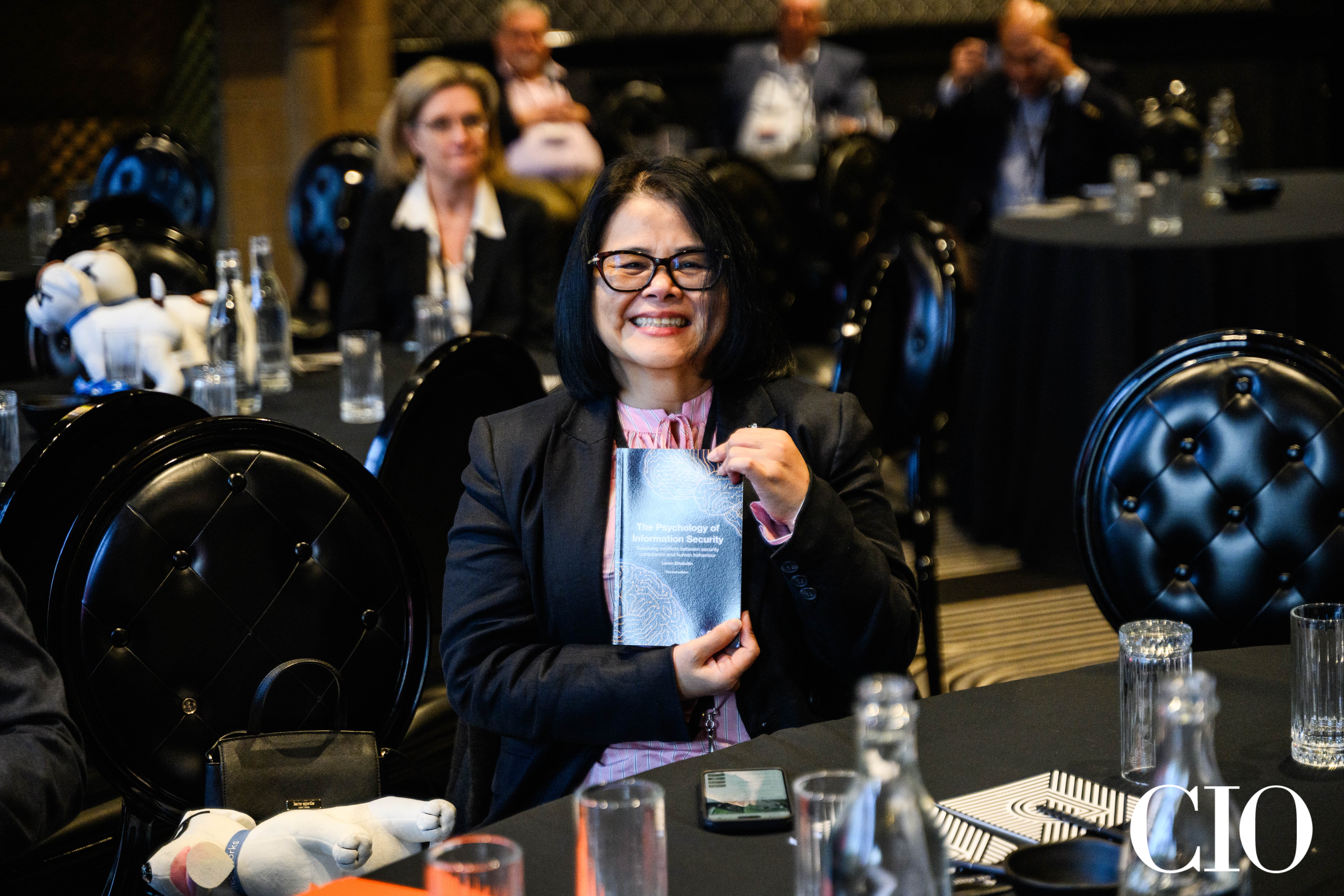
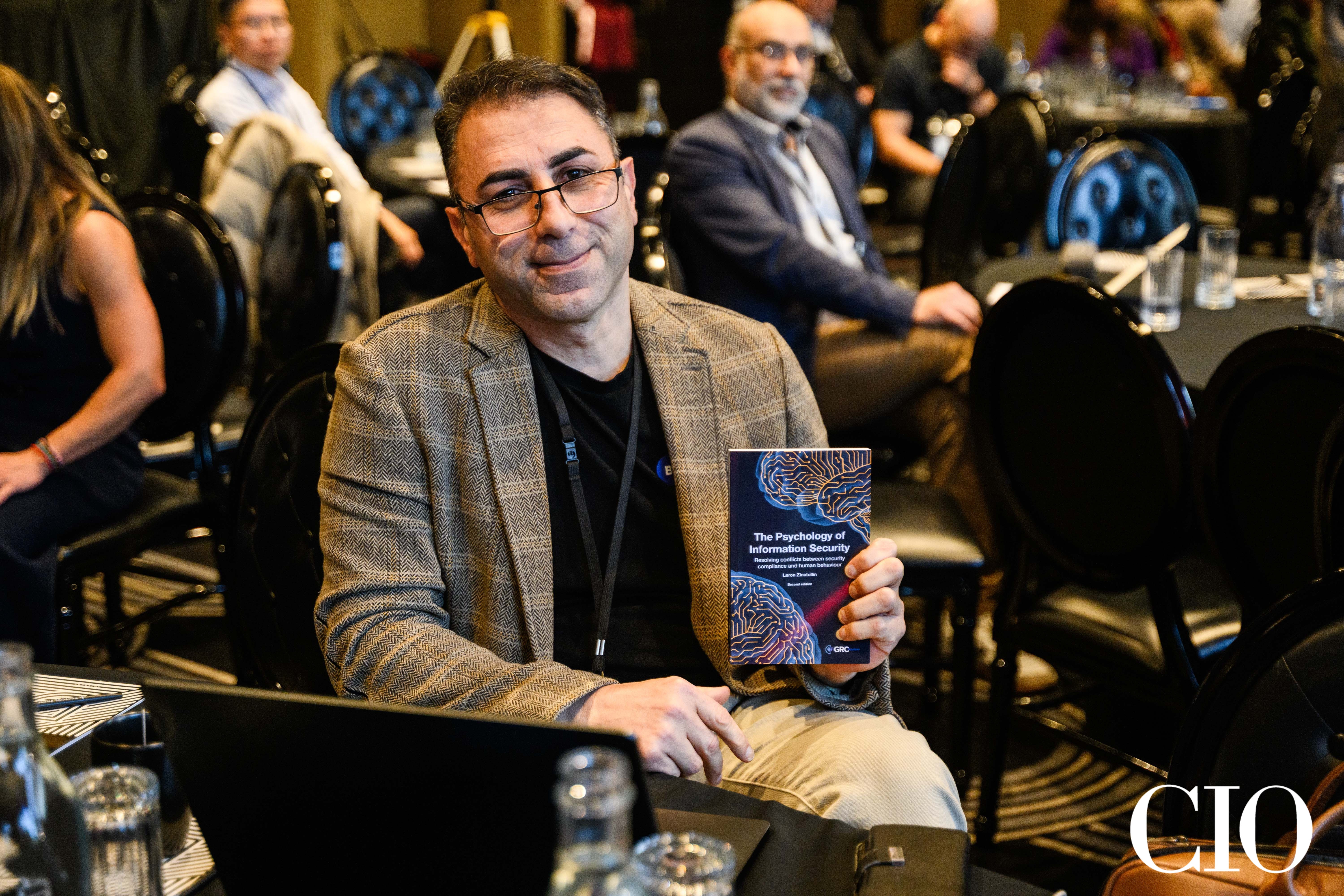
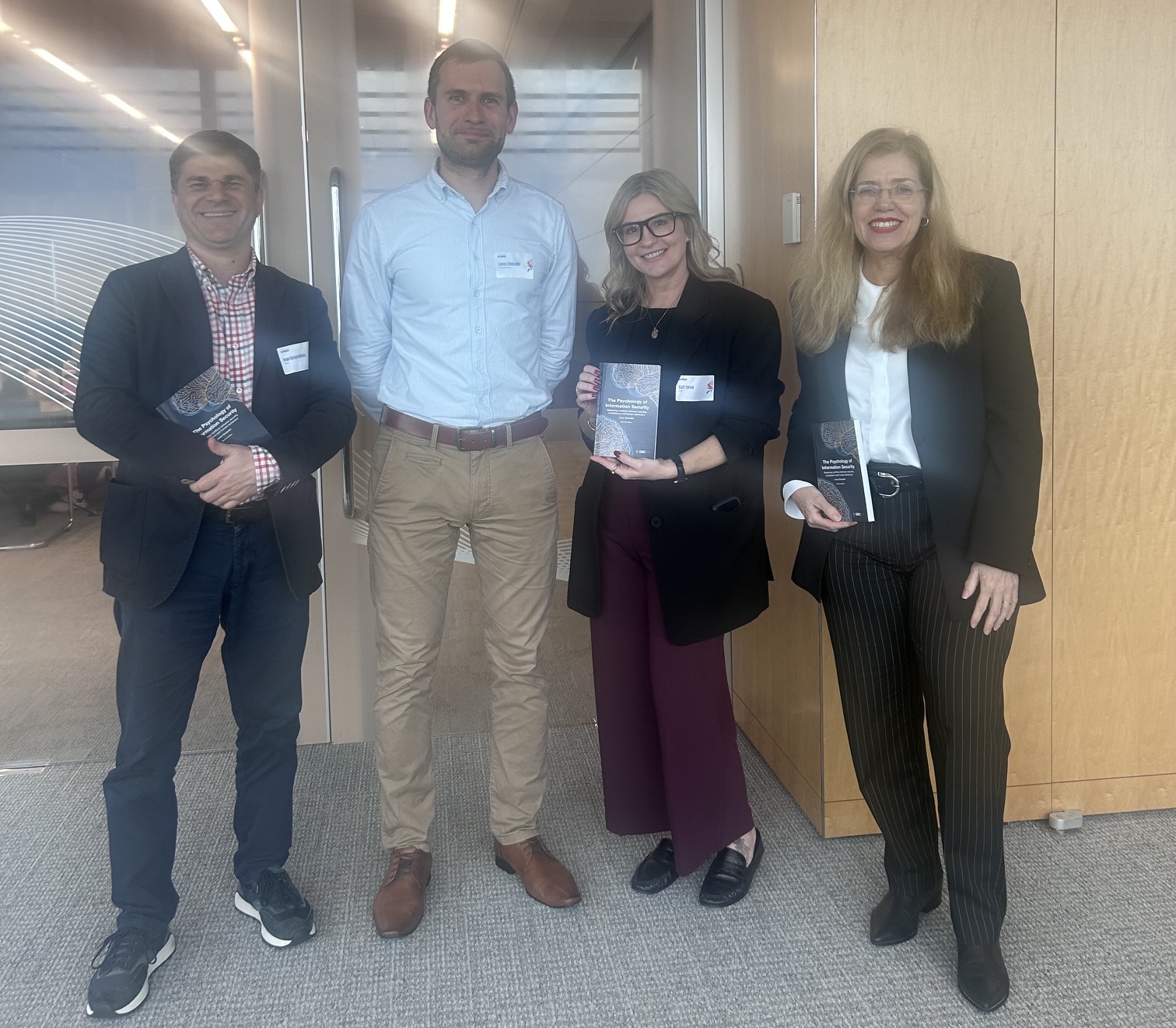
You cannot train your way out of the fact that attention runs out. It is a design problem. That’s precisely what I discuss in The Psychology of Information Security.