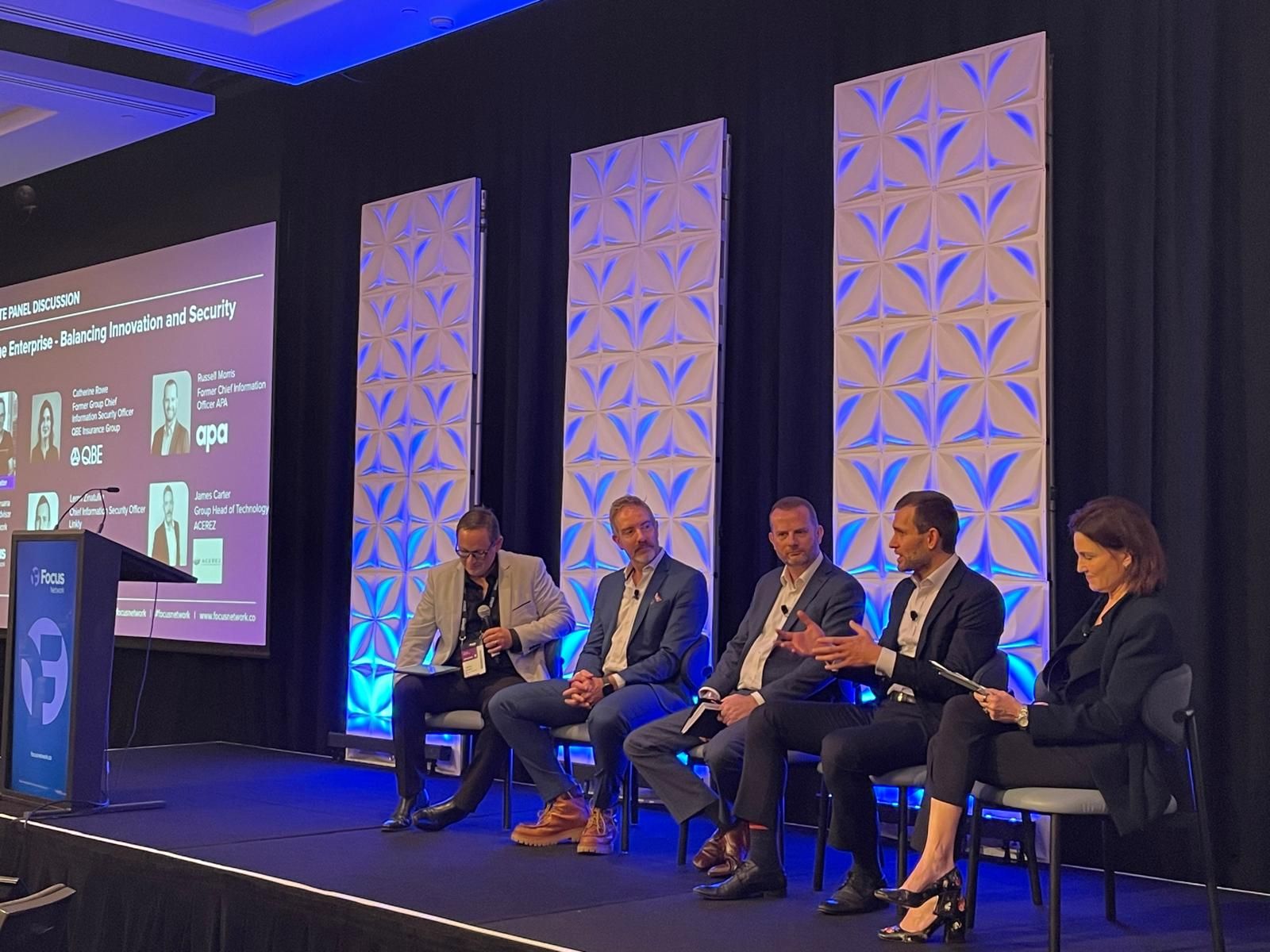
AI in the Enterprise: Balancing Innovation and Security

It was great to have a debate on balancing innovation and security keynote panel, where we dug into both the promise and the perils of AI adoption from the CISO and CIO perspectives.

Your biggest AI risks really depend on where and how you’re using it. I recommend reviewing your product roadmap for AI-powered features to anticipate potential gaps.

Map out whether AI is home-grown, vendor-sourced or embedded. When it comes to governance, we can borrow from what we learned with BYOD, cloud and shadow IT. Extend existing security reviews, supply-chain checks and third-party assessments into your AI program. For quick wins, manage it like a SaaS risk: think privacy controls and boundaries around sensitive data.
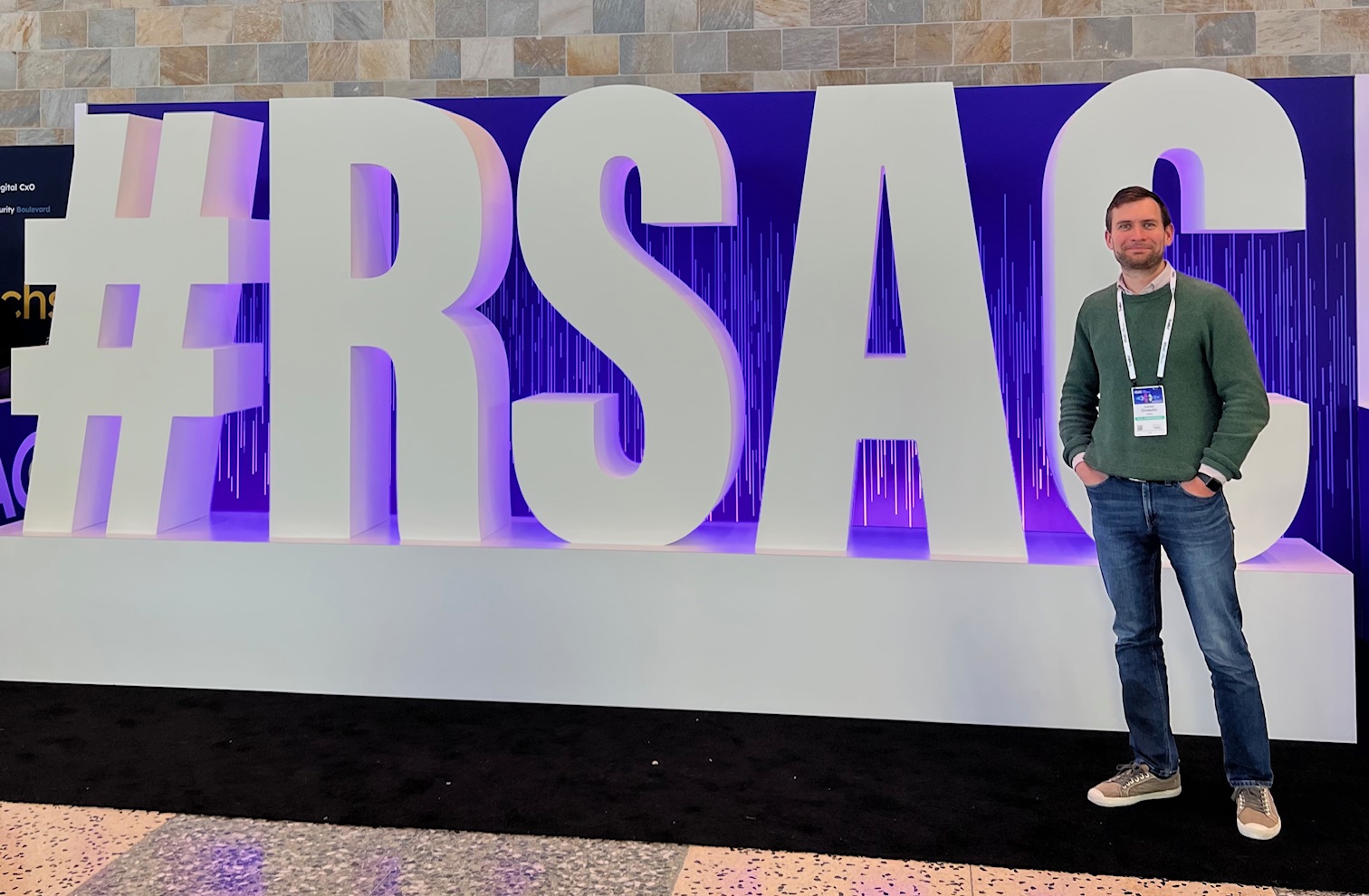
My key takeaways from the biggest event in cybersecurity

‘You won’t see it all’ – that’s what I was told before I headed out to the RSA Conference for the first time! With so many great talks, side events, meetings, vendor showcases people will have very different impressions of this event. Here are mine.

More

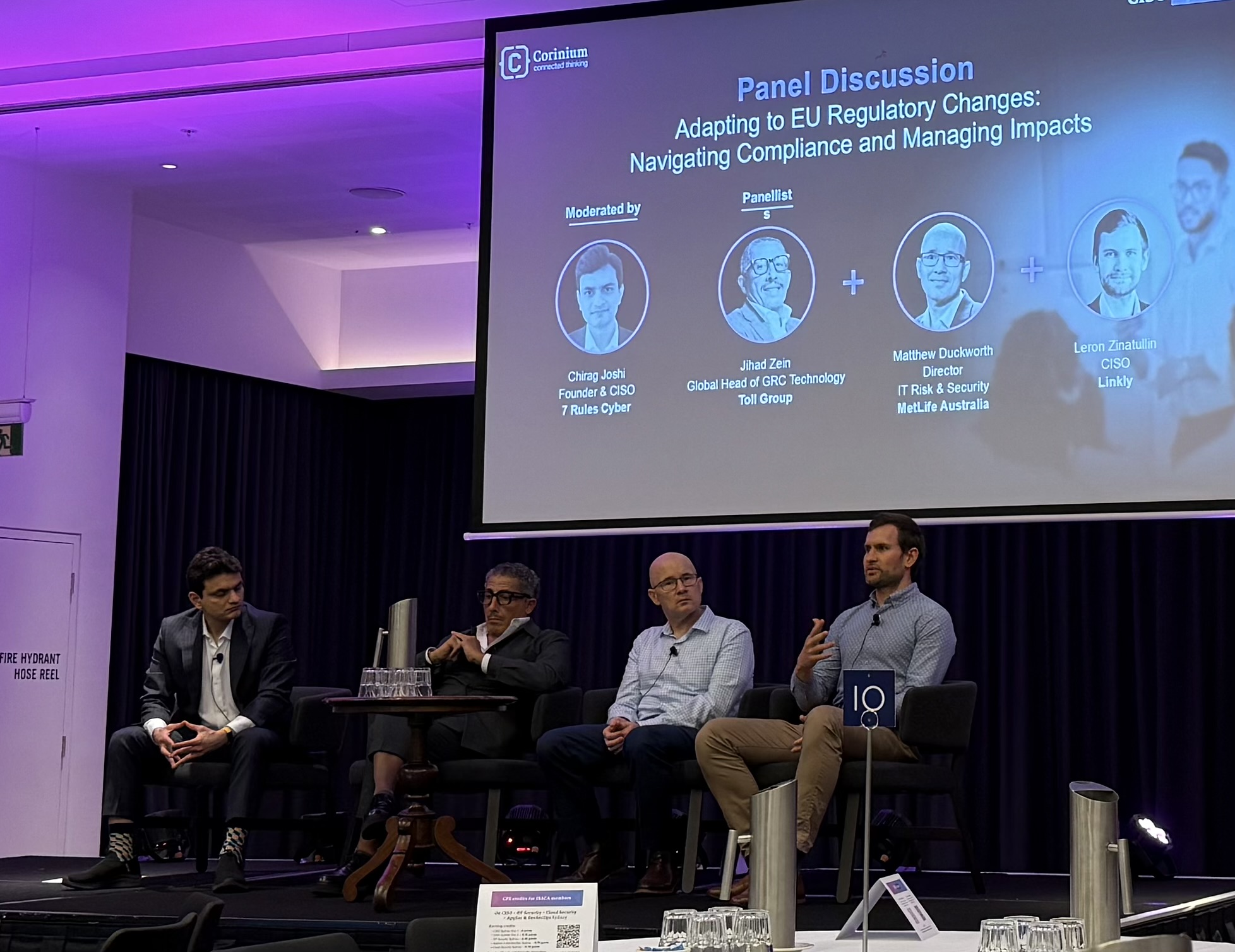
Adapting to EU regulatory changes: navigating compliance and building resilience

I had the privilege of joining a panel discussion on the rapidly evolving regulatory landscape and its impact on businesses worldwide. With cyber threats, operational disruptions, and AI risks on the rise, governments are strengthening regulations to drive security, resilience and accountability across industries.

In Europe, major frameworks like DORA (Digital Operational Resilience Act), NIS2 (Network and Information Security Directive) and the EU AI Act are reshaping how organisations approach cybersecurity, operational resilience, and responsible AI governance. But this shift isn’t limited to the EU – regulatory scrutiny is increasing globally, from the U.S. to APAC, with frameworks reinforcing risk management, third-party oversight and AI transparency.

A huge thank you to my fellow panelists and engaged audience members for an insightful discussion.

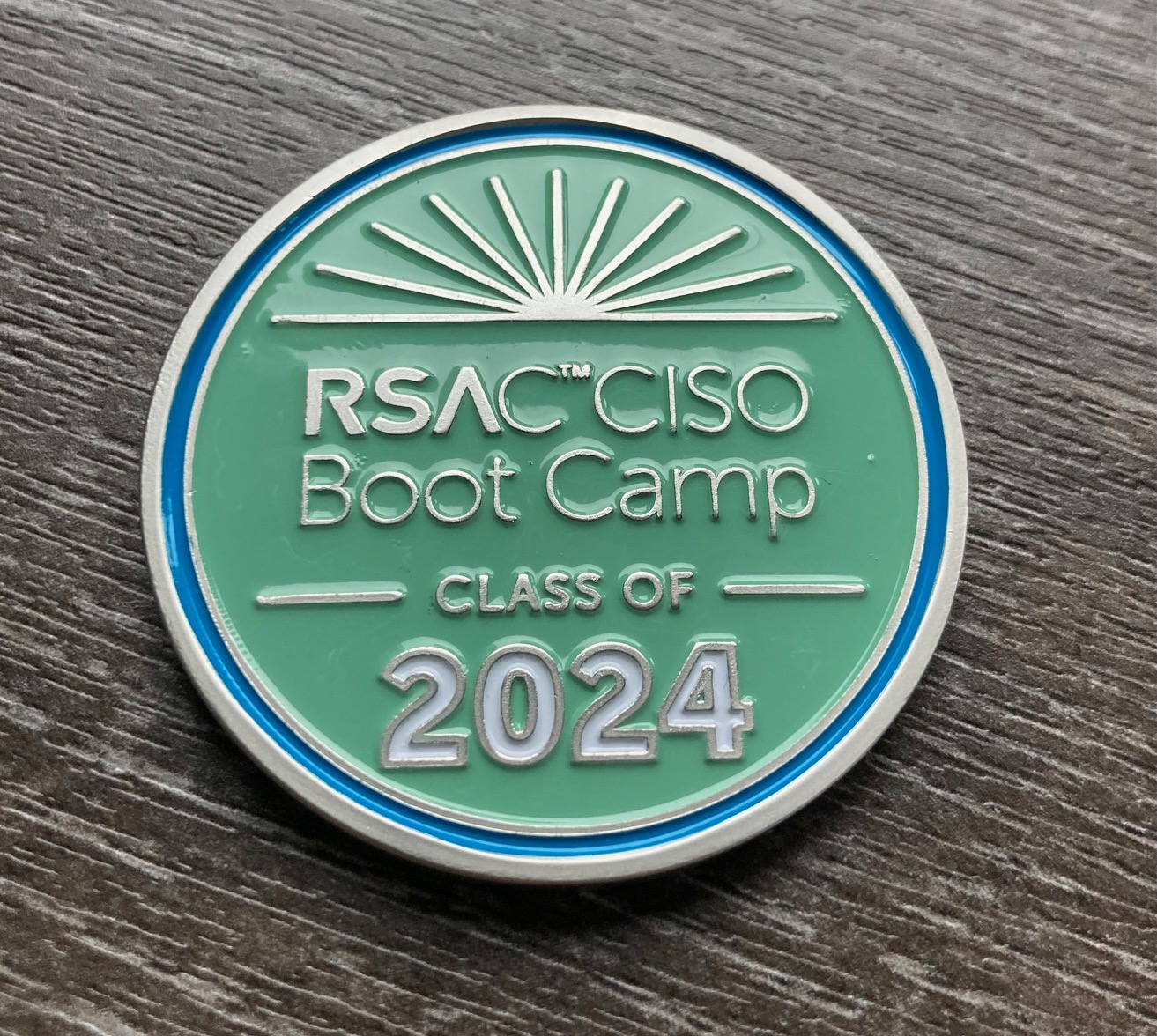
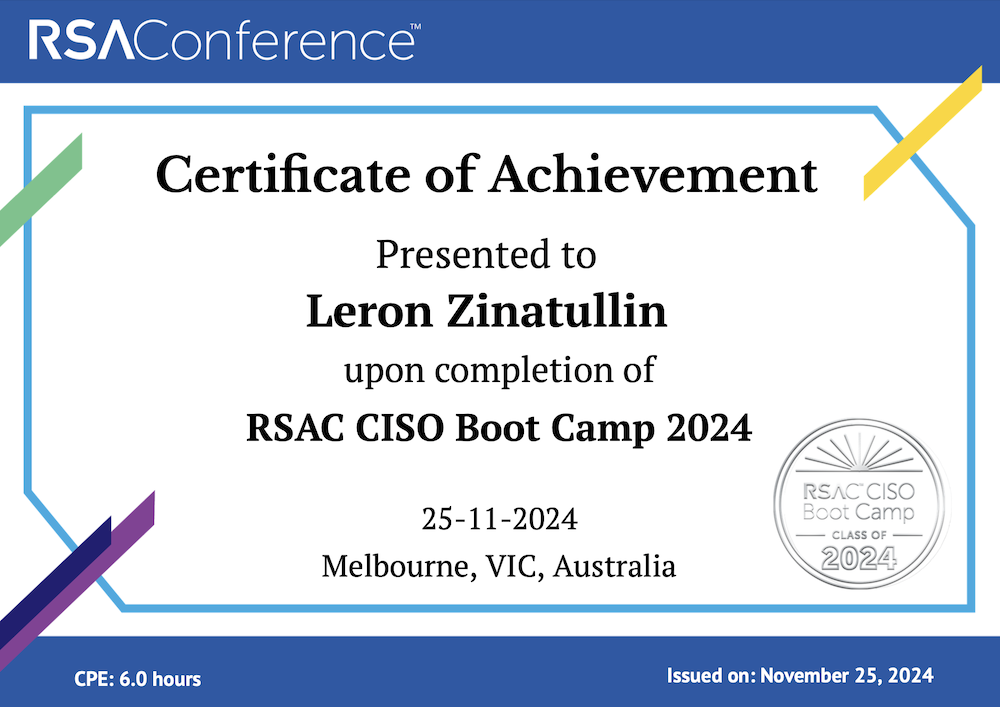
RSA CISO Bootcamp

I had the privilege to join a brilliant cohort of CISOs at the RSA Conference CISO Bootcamp. It was an energising experience, where seasoned experts and emerging leaders in cybersecurity came together to tackle our industry’s most pressing challenges.

The bootcamp was more than just a learning experience; it was a platform for sharing personal insights, gaining fresh perspectives and engaging in a thought-provoking debate.

From discussing emerging threats to exchanging strategies for resilience, it was a reminder of the power of community in cybersecurity. A huge thanks to all organisers and speakers for creating a space where we can grow together and tackle our industry’s biggest challenges.

Volunteering with ISACA

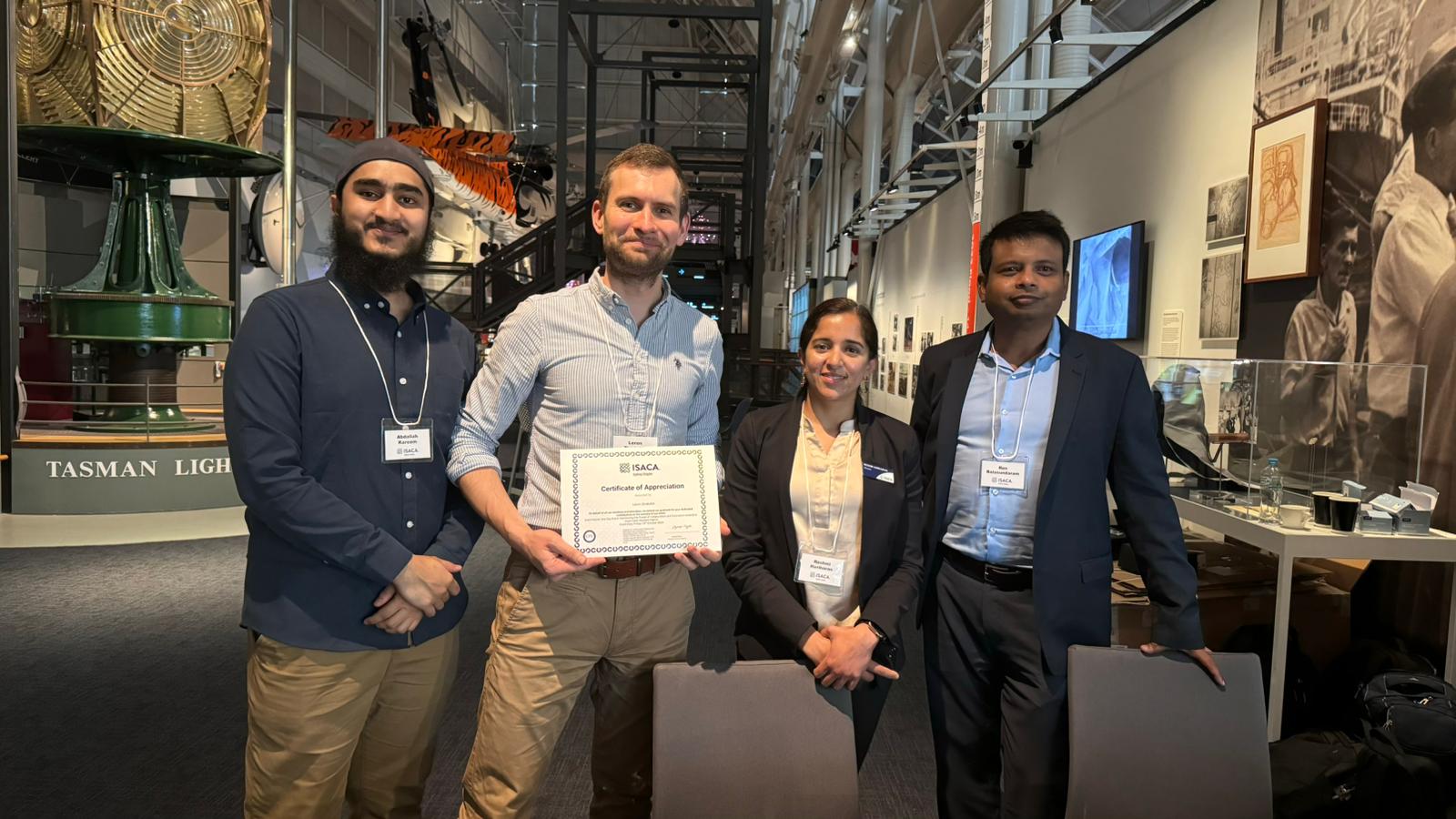
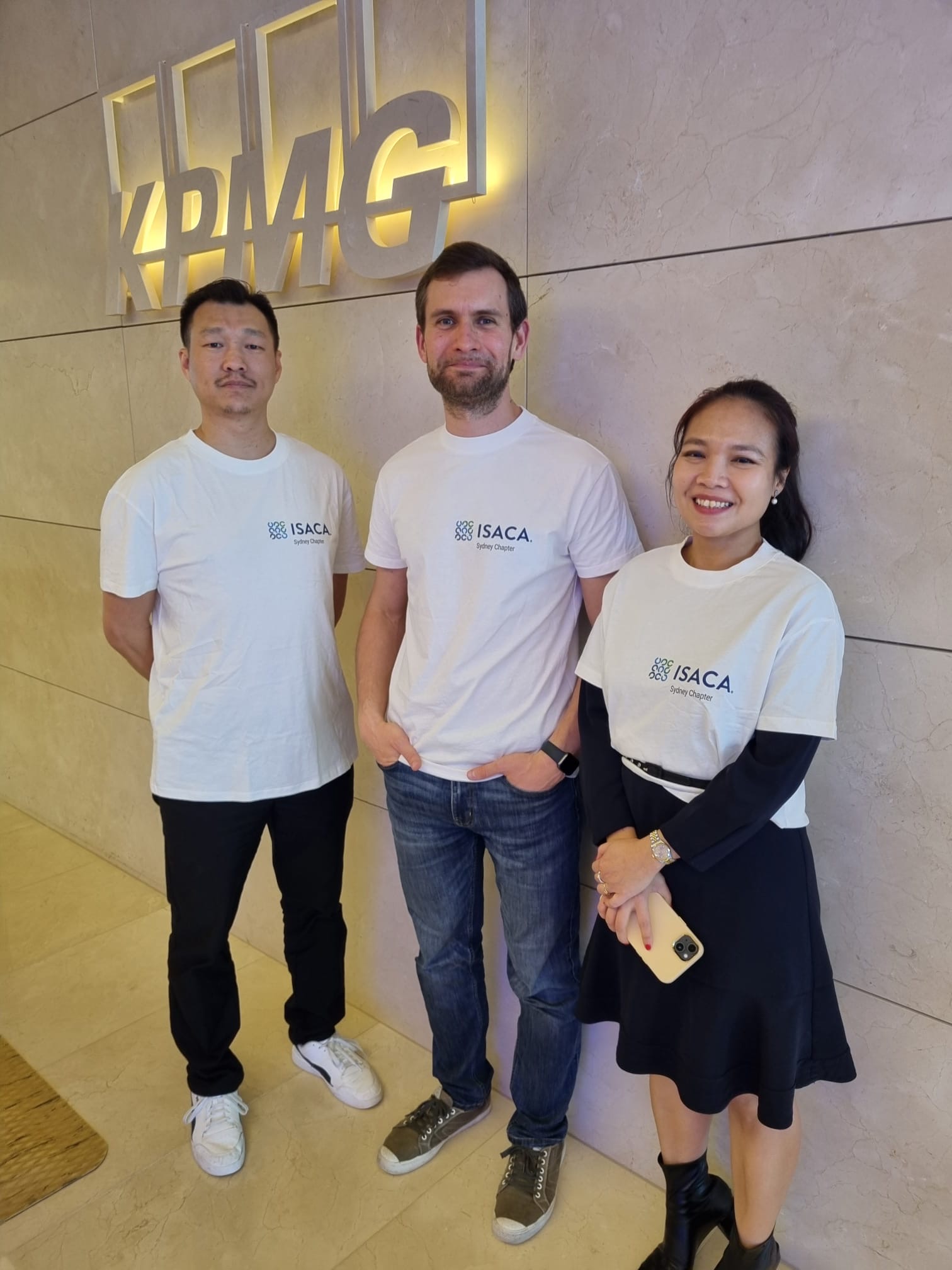
It’s been fantastic to have an opportunity to give back to the community and volunteer with ISACA this year.

The Sydney Chapter hosted a number of professional development events for cyber, risk, governance and IT professionals with a common objective of building digital trust and securing our interconnected world. I had a chance to support these initiatives, ranging from fundraising for a mental health charity to helping organise conferences.

I found this experience incredibly rewarding and made some good friends along the way.

Cross-cultural leadership in China

I had a fantastic time on an international MBA exchange at one of the top universities in China, Fudan University in Shanghai, for the Global Network for Advanced Management program. 

It was an chance to learn first hand about innovation in China and meet some amazing Executive MBA students from the world’s top business schools.

More

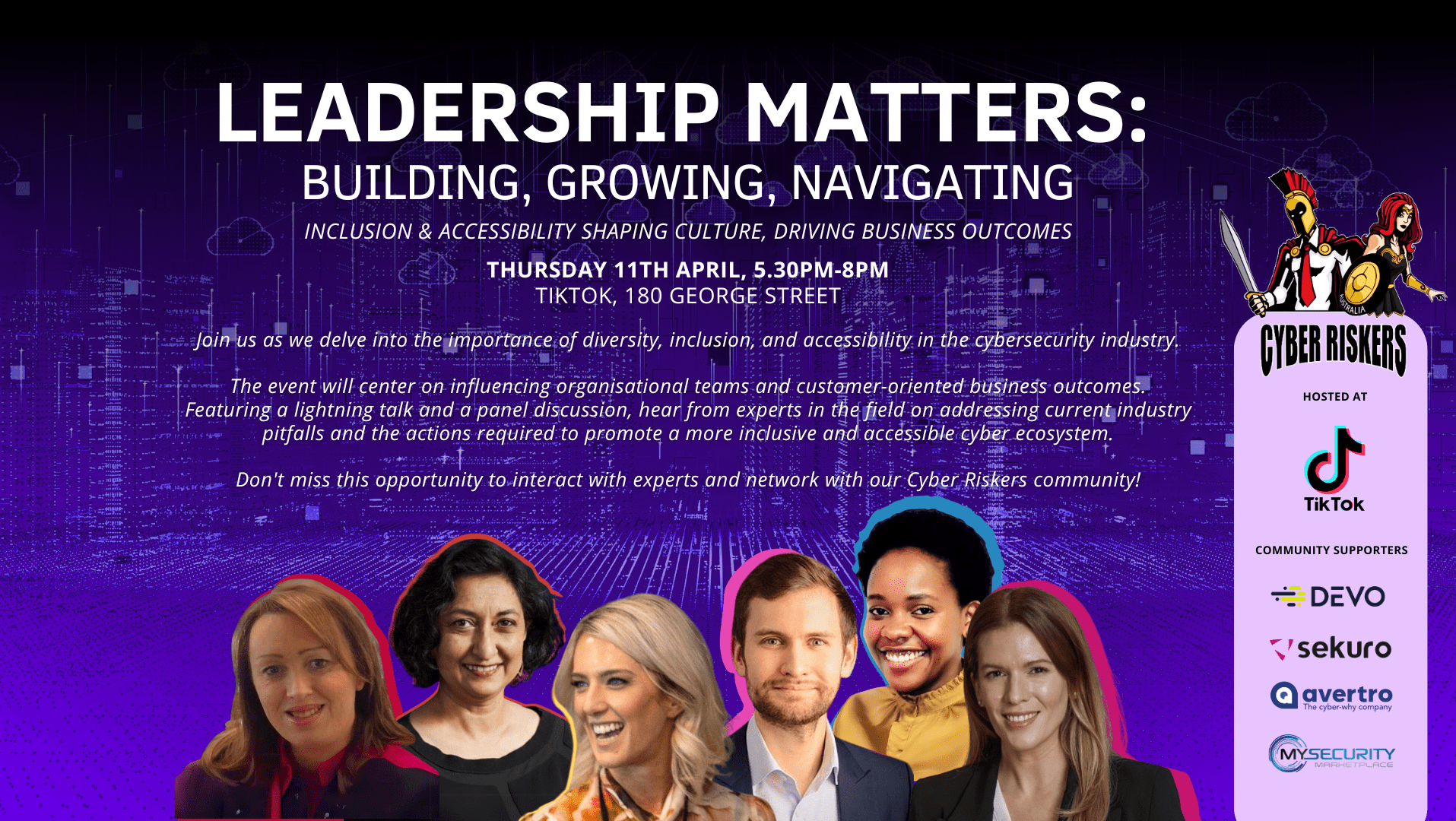
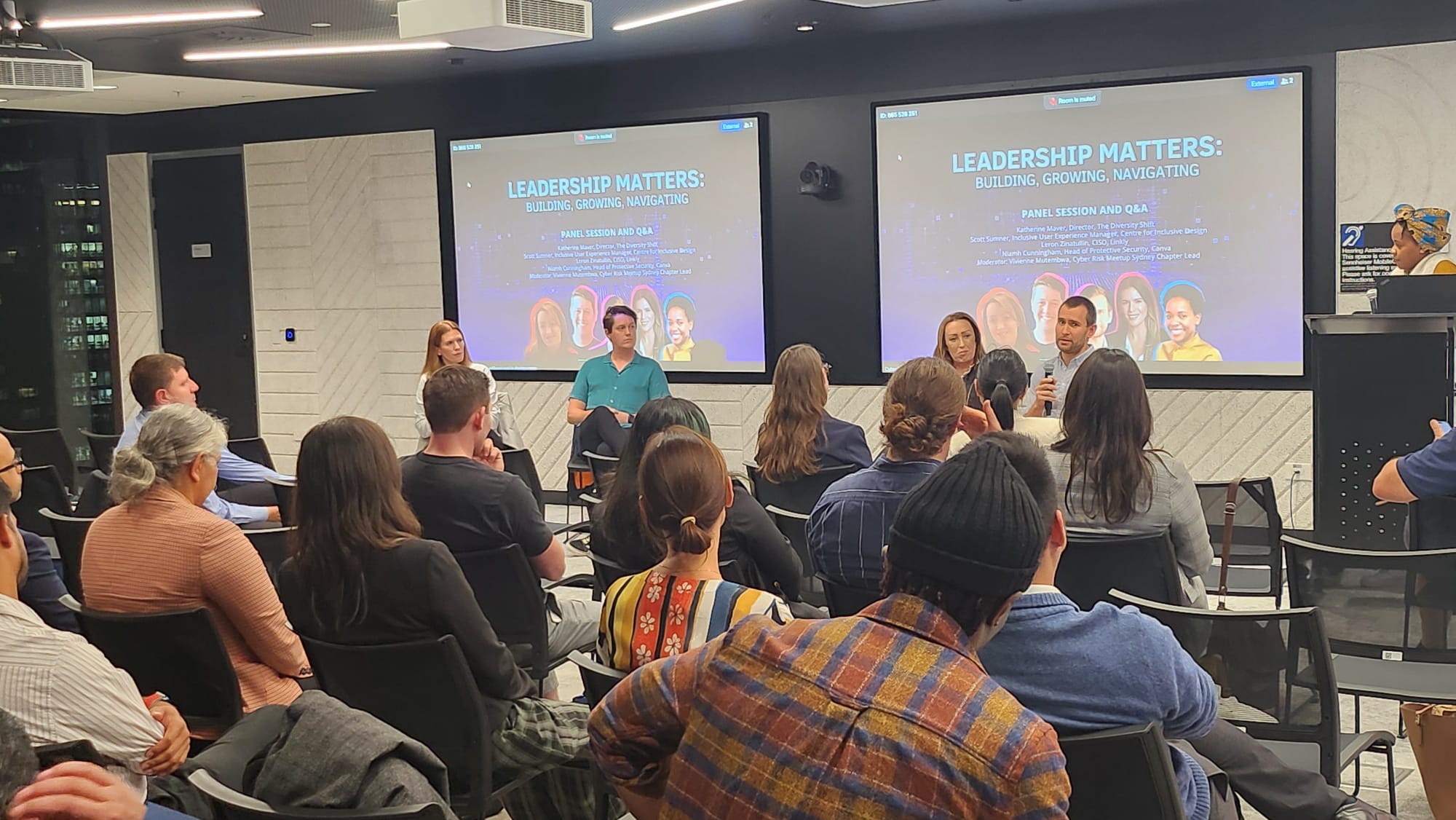
Inclusion and accessibility: shaping culture and driving business outcomes

I’m grateful to have had an opportunity to continue to learn and contribute to the important discussion on building the culture of diversity, inclusion and accessibility in cyber security.

I like being on panels like this because it gives me an opportunity to share my views and continue to educate myself not only through research but also through lived experiences.

I believe shaping the inclusive culture begins with creating awareness about the barriers to diversity and inclusion. Accessibility is an important consideration. Testing new systems and processes with people with accessibility needs is key to discovering where issues may exist.

The best way to make security more accessible is to engage with the people who interact with it. Treating usability and accessibility together with other security requirements rather than a separate item is useful to ensure it gets built-in from the start.