AI-enabled security at the speed of business

Today, organisations are caught between two opposing forces. On one side is the drive for operational efficiency through digital transformation and AI adoption. On the other is an asymmetric cyber threat landscape.

As adversaries leverage AI to increase the scale and sophistication of attacks overwhelming already stretched cyber teams, defenders must do the same by using AI to strengthen security.

The traditional security model is reactive. When a threat is detected, a human must review, validate and remediate. In the time it takes an analyst to finish their first coffee, an AI-driven adversary can exfiltrate sensitive data.

For organisations that depend on customer trust and regulatory compliance, “responding as fast as we can” is no longer within risk appetite. Humans cannot scale to match the speed of automated code.

AI is becoming central to the future of cyber defence. While much of the industry focuses on automating security operations triage, the true power of AI lies in automating complex, proactive security and compliance functions that previously required thousands of human hours.
More

AI Agents and Security

We are entering the agentic era – an inflection point defined by AI systems that can reason, plan and take action autonomously. This shift may be among the most consequential technological transformations of our generation, and it carries an equally significant obligation: to ensure these systems are designed, governed and deployed in ways that earn and sustain trust.

I completed a 5-Day AI Agents Intensive Course where we dove deep in Google’s open source Agent Development Toolkit. In this blog, I’ll share key takeaways and practical suggestions so you can navigate this shift and learn to build AI agents of your own.

More

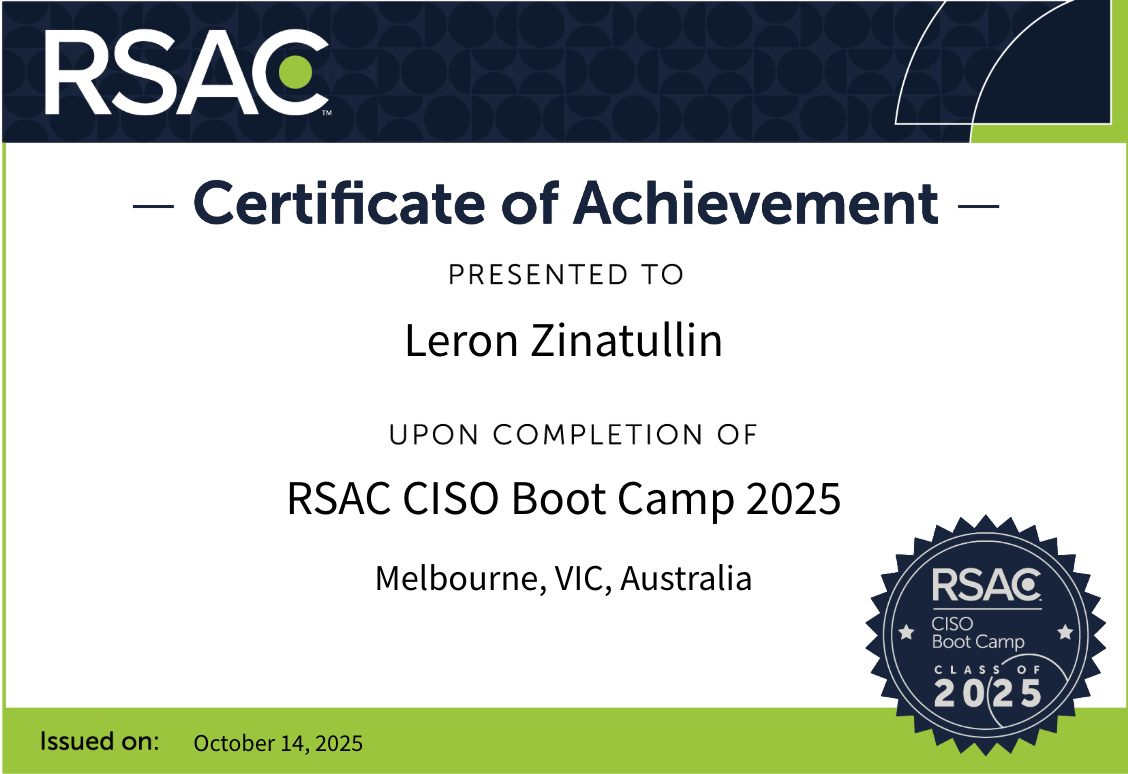
RSAC CISO Bootcamp 2025

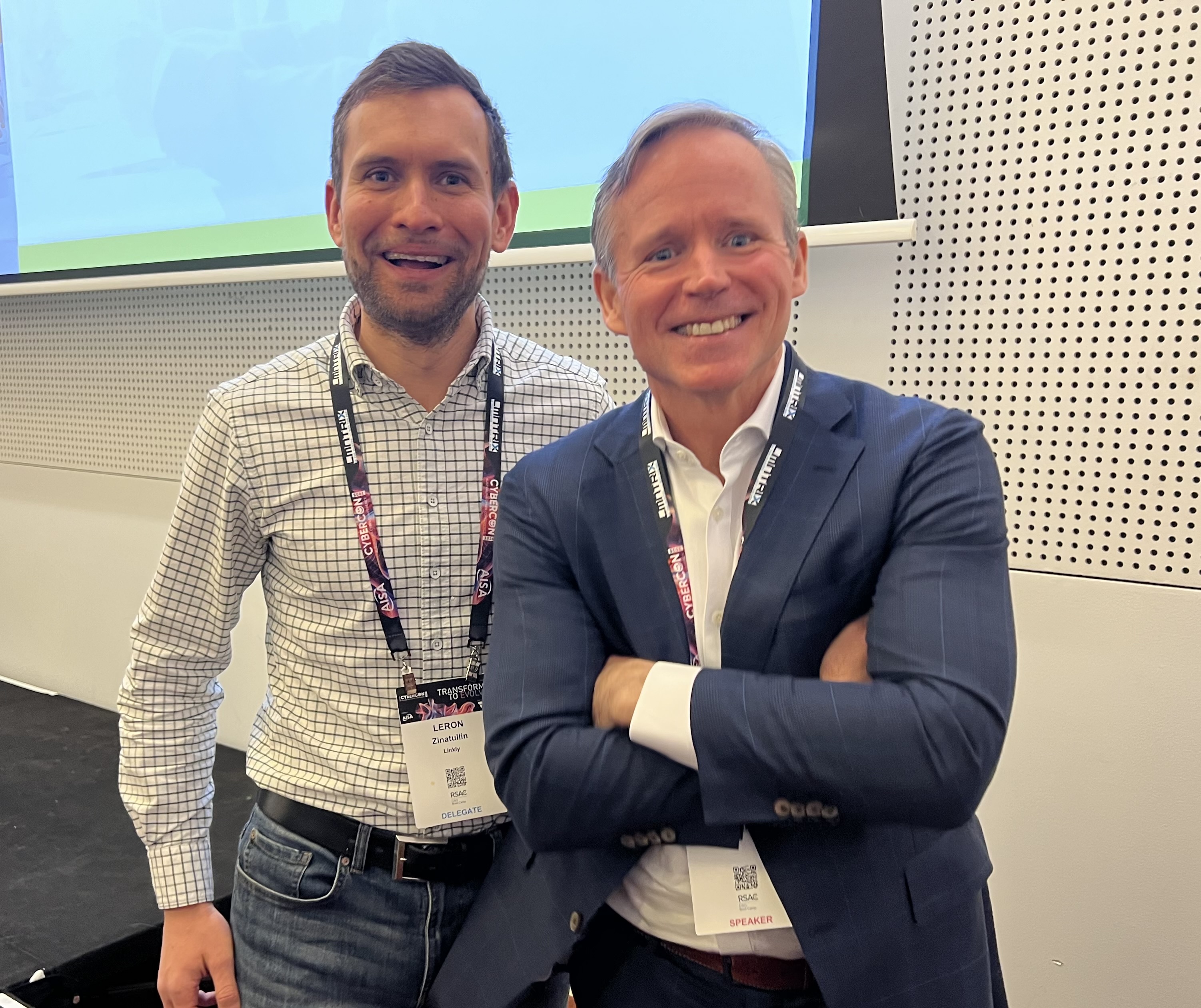
It was so good to attend the RSAC CISO Bootcamp at CyberCon Melbourne – a practical session for CISOs.

Highlights that stuck with me:
💡 A conversation with Brian Krebs on AI security and organised cybercrime: attackers are tooling up fast; our defences must keep pace.
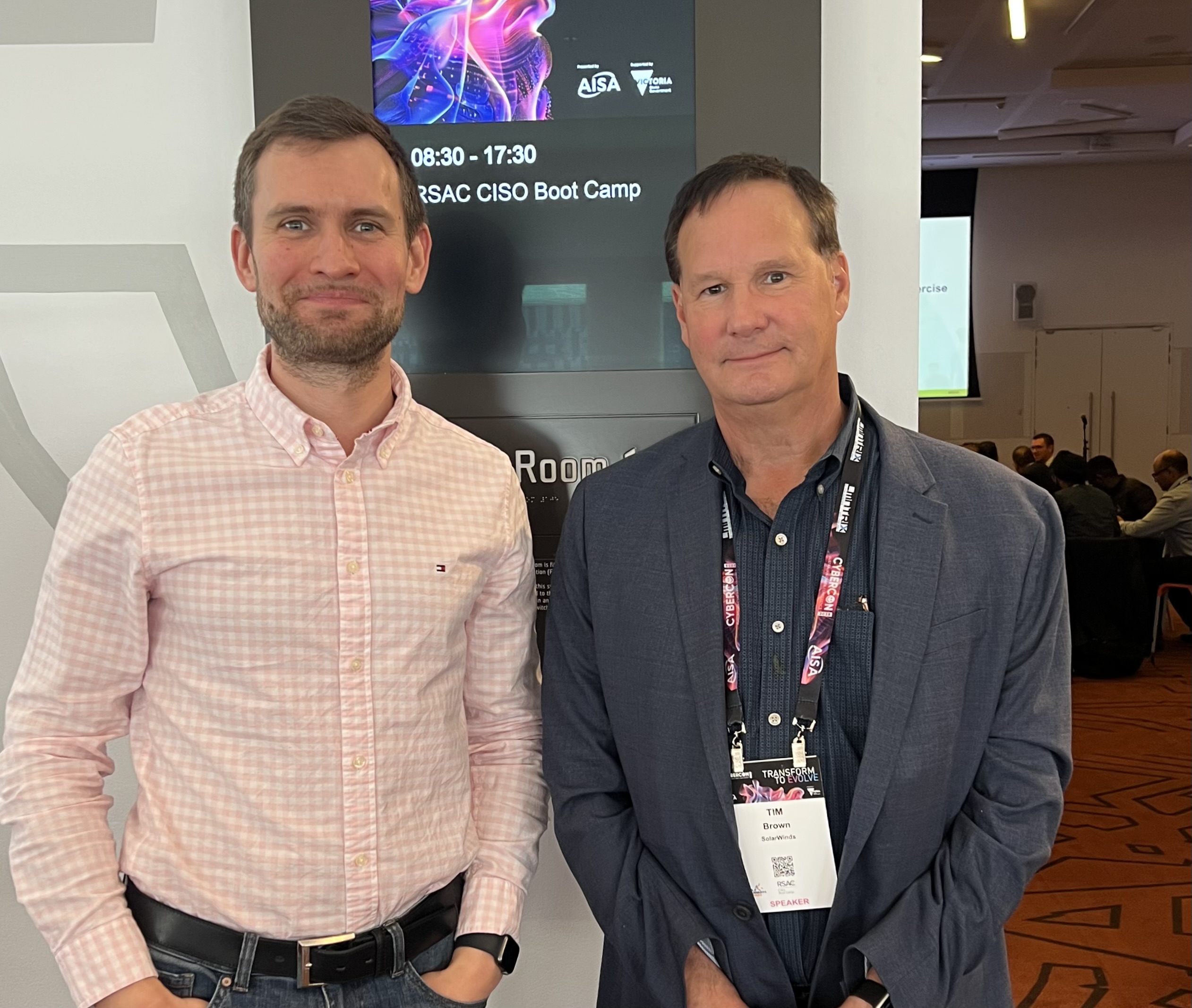
💡 A candid, closed-door session with Tim Brown, CISO of SolarWinds, about crisis response: execution matters, but so does the personal toll on teams and leaders.
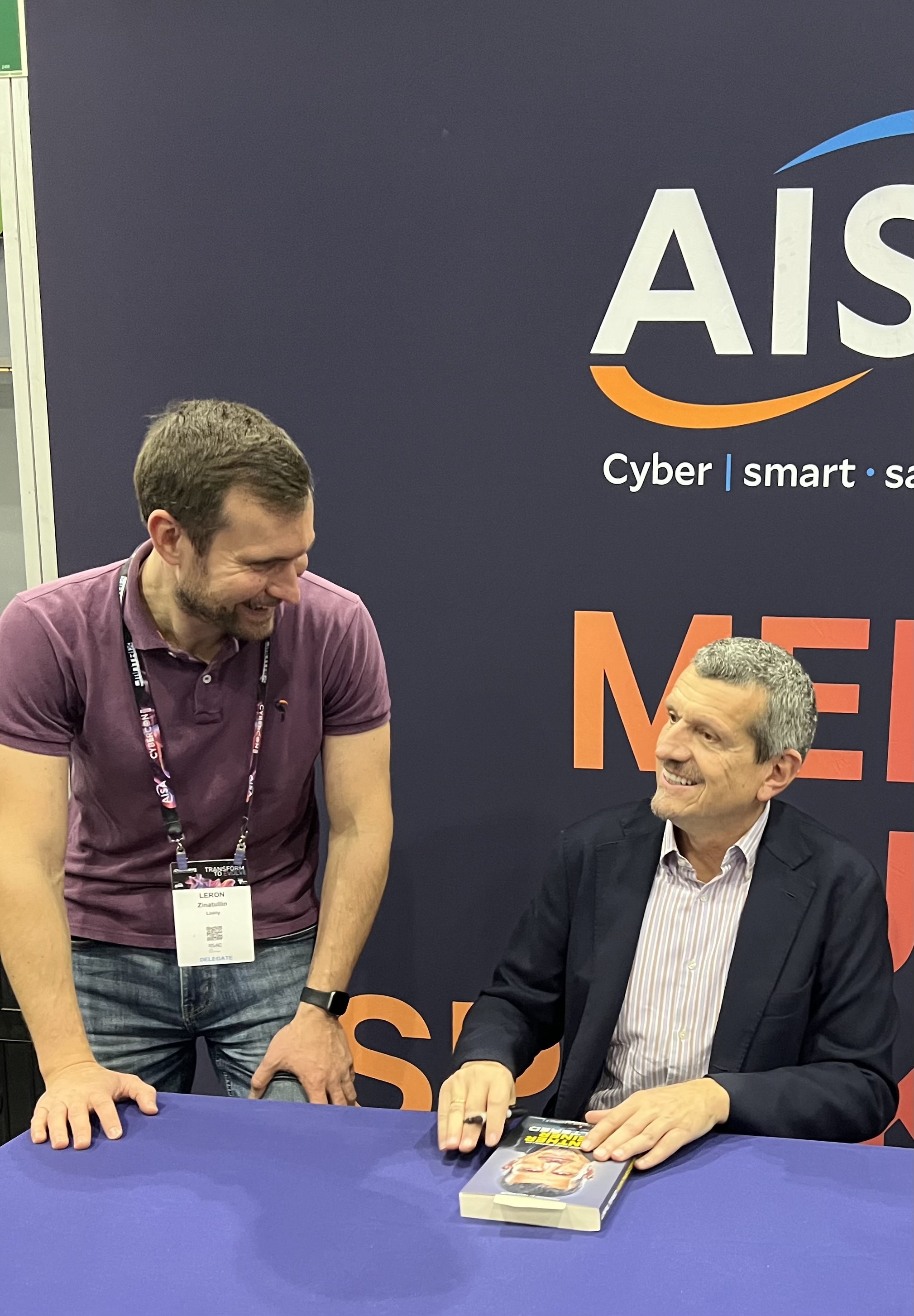
💡 A chat with F1’s Guenther Steiner on teamwork and resilience in high-pressure environments.

Events like this remind me how much strength there is in our community. I’m proud to contribute and be part of it. You don’t need a challenge coin to get help – if you want to compare notes or need a sounding board, reach out.

Cyber security operating model

Designing a target operating model for an organisation is a complex activity. It is important, therefore, to keep it simple initially. At a very high, level, I suggest CISOs start with three key capabilities:

  • Governance, Risk and Compliance
  • Security Architecture
  • Security Operations

These can then be decomposed further, tailoring to the needs of your particular organisation. Understand how each domain interacts with and supports the others, capturing key outcomes and dependencies for each function.

Key security capabilities are supported by Leadership and Governance streams, including Security Strategy, Business Alignment, Integration, Oversight, Optimization, Finance, Security Culture, Program Management, Stakeholder Management and Reporting.

Business as usual activities required to keep the lights on are often neglected when capability uplift is prioritized. For this reason, I placed it in the centre of the diagram, emphasising the ongoing importance of providing consistent security service to your organisation.

The NIST Cybersecurity Framework functions at the intersections of domains aim to illustrate the collaborative nature of the security teams. It’s important to go beyond silos , ensuring frequent interaction with the business as well as within the security department.

Working as an Interim Head of Enterprise Architecture

Reference Architectures; Why, What and How, Architecting Forum

While working as a consultant, I had an opportunity to serve as an Interim Head of Enterprise Architecture for one of the banks in the Middle East. The objective was to set up an Enterprise Architecture function at the company and demonstrate its benefits. It was a rare chance to build a capability from the ground up and I wanted to share some of my learnings in this blog. I hope this will help people looking for their next opportunity.

More

Continuous control monitoring

NISTIR 7756 Contextual Description of the CAESARS System

Knowing your existing assets, threats and countermeasures is a necessary step in establishing a starting point to begin prioritising cyber risk management activities. Indeed, when driving the improvement of the security posture in an organisation, security leaders often begin with getting a view of the effectiveness of security controls.

A common approach is to perform a security assessment that involves interviewing stakeholders and reviewing policies in line with a security framework (e.g. NIST CSF).

A report is then produced presenting the current state and highlighting the gaps. It can then be used to gain wider leadership support for a remediation programme, justifying the investment for security uplift initiatives. I wrote a number of these reports myself while working as a consultant and also internally in the first few weeks of being a CISO.

These reports have a lot of merits but they also have limitations. They are, by definition, point-in-time: the document is out of date the day after it’s produced, or even sooner. The threat landscape has already shifted, state of assets and controls changed and business context and priorities are no longer the same.

More

Sharing thoughts on Zero Trust

I’ve been featured in an eBook by Thales sharing my thoughts on challenges organisations face on their Zero Trust journey and how to overcome them. It’s a huge topic that can be approached from different angles and it’s certainly difficult to capture it in a single quote. However, asset management should be an important consideration regardless of an implementation model.

Supporting the NHS

I had a privilege to engage with NHS Digital as an external consultant in a technical architect capacity to help enhance their cyber security capabilities. NHS Digital continues to play an important role in the current pandemic in the UK and it was an honour to be able to contribute to the security of their operations.