Cyber risk quantification

I really enjoyed the cyber risk quantification workshop led by Richard Seiersen, co-author of How to Measure Anything in Cybersecurity Risk.

During the session, Richard broke down risk quantification, focusing on identifying the risks most likely to cause significant business losses where assets, threats and vulnerabilities intersect.

I’m also glad to receive his book for correctly estimating cost in our the discussions. It’s one of the most influential books in security: it challenges subjective risk assessments, offering practical frameworks for using data, probability and economics to drive smarter security decisions.

Adapting to EU regulatory changes: navigating compliance and building resilience

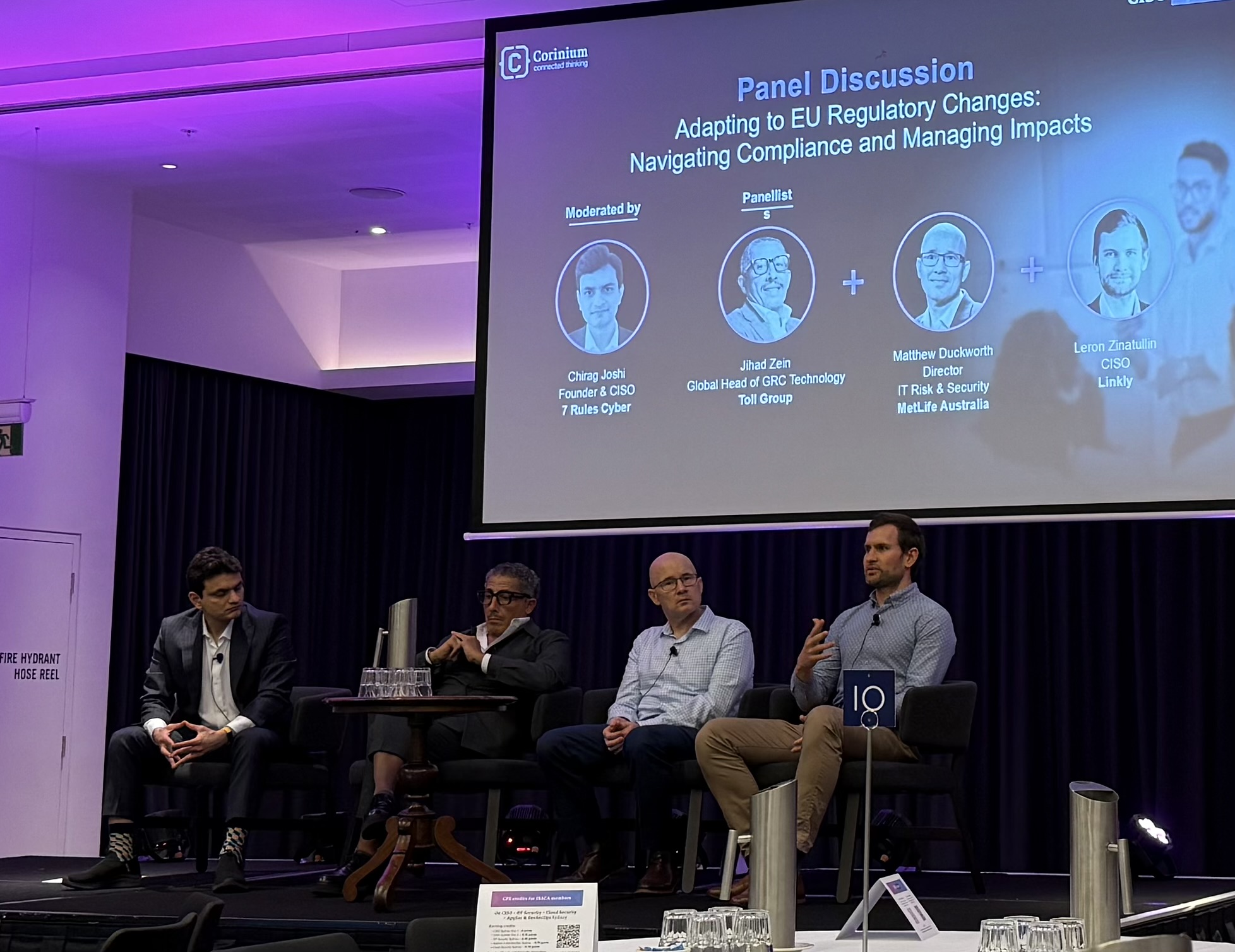
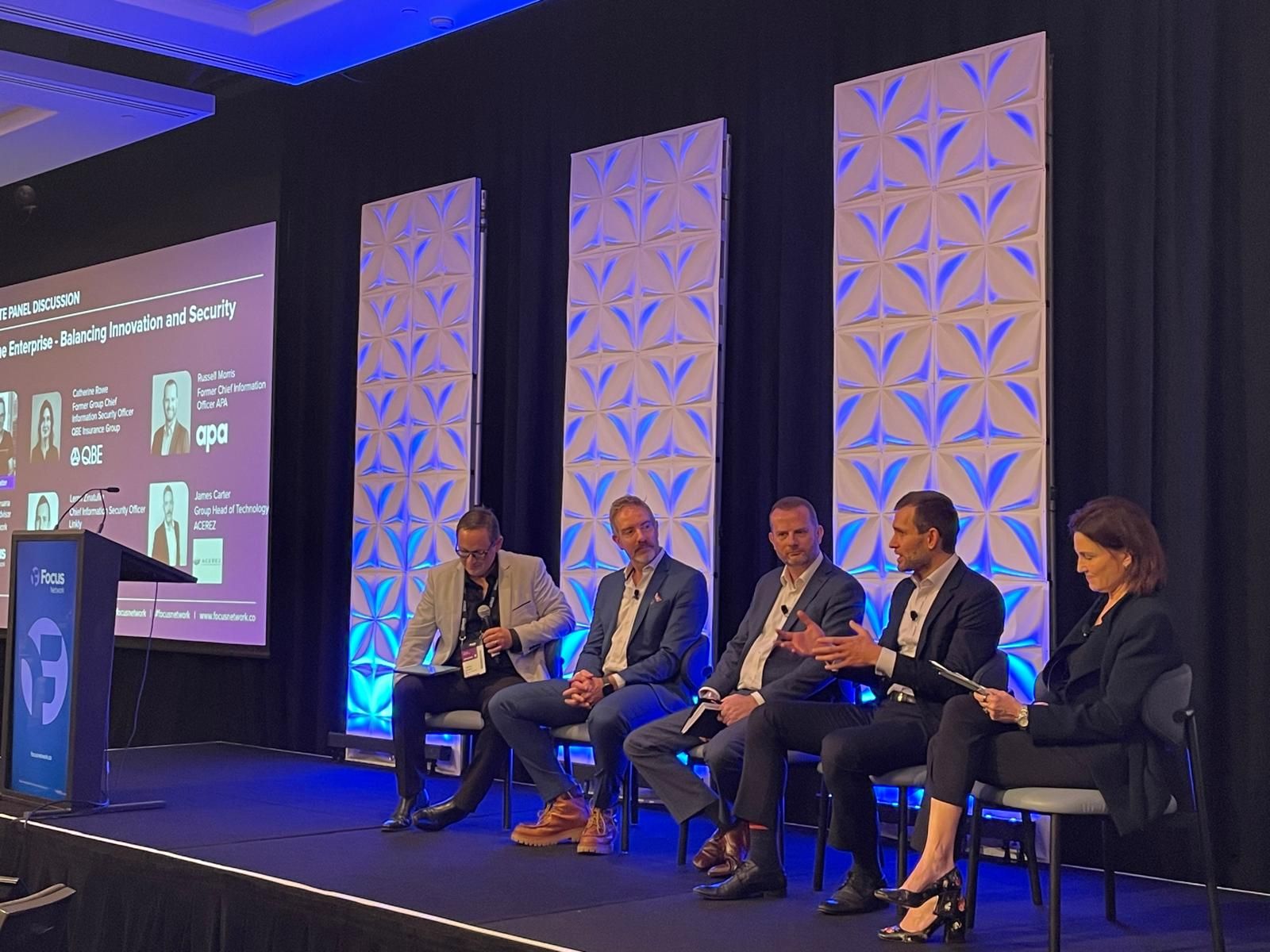
I had the privilege of joining a panel discussion on the rapidly evolving regulatory landscape and its impact on businesses worldwide. With cyber threats, operational disruptions, and AI risks on the rise, governments are strengthening regulations to drive security, resilience and accountability across industries.

In Europe, major frameworks like DORA (Digital Operational Resilience Act), NIS2 (Network and Information Security Directive) and the EU AI Act are reshaping how organisations approach cybersecurity, operational resilience, and responsible AI governance. But this shift isn’t limited to the EU – regulatory scrutiny is increasing globally, from the U.S. to APAC, with frameworks reinforcing risk management, third-party oversight and AI transparency.

A huge thank you to my fellow panelists and engaged audience members for an insightful discussion.

Navigating the endless sea of threats

Cyber security is a relentless race to keep pace with evolving threats, where staying ahead isn’t always possible. Advancing cyber maturity demands more than just reactive measures—it requires proactive strategies, cultural alignment, and a deep understanding of emerging risks.

I had an opportunity to share my thoughts on staying informed about threats, defining cyber maturity, and aligning security metrics with business goals with Corinium’s Maddie Abe ahead of my appearance as a speaker at the upcoming CISO Sydney next month.

More

Board directorship: mindset shift

I had a great week at the AICD’s Company Directors Course learning about governance, risk, strategy, legal environment, financial literacy, performance and achieving board effectiveness.

I particularly liked the interactive discussions and case studies to practice ethical decision making, applying concepts in practice and adopting the director mindset.

More

RSA CISO Bootcamp

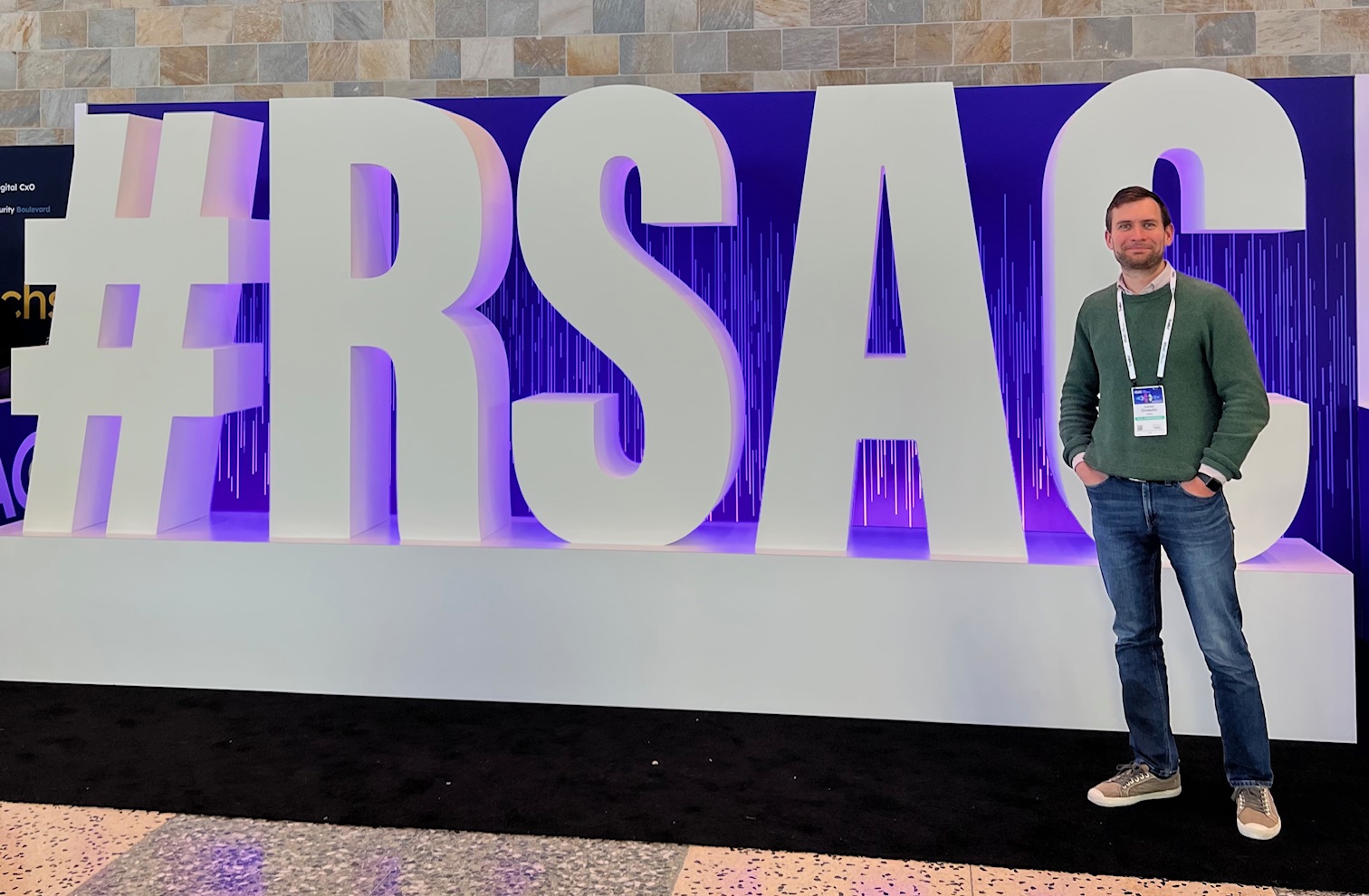
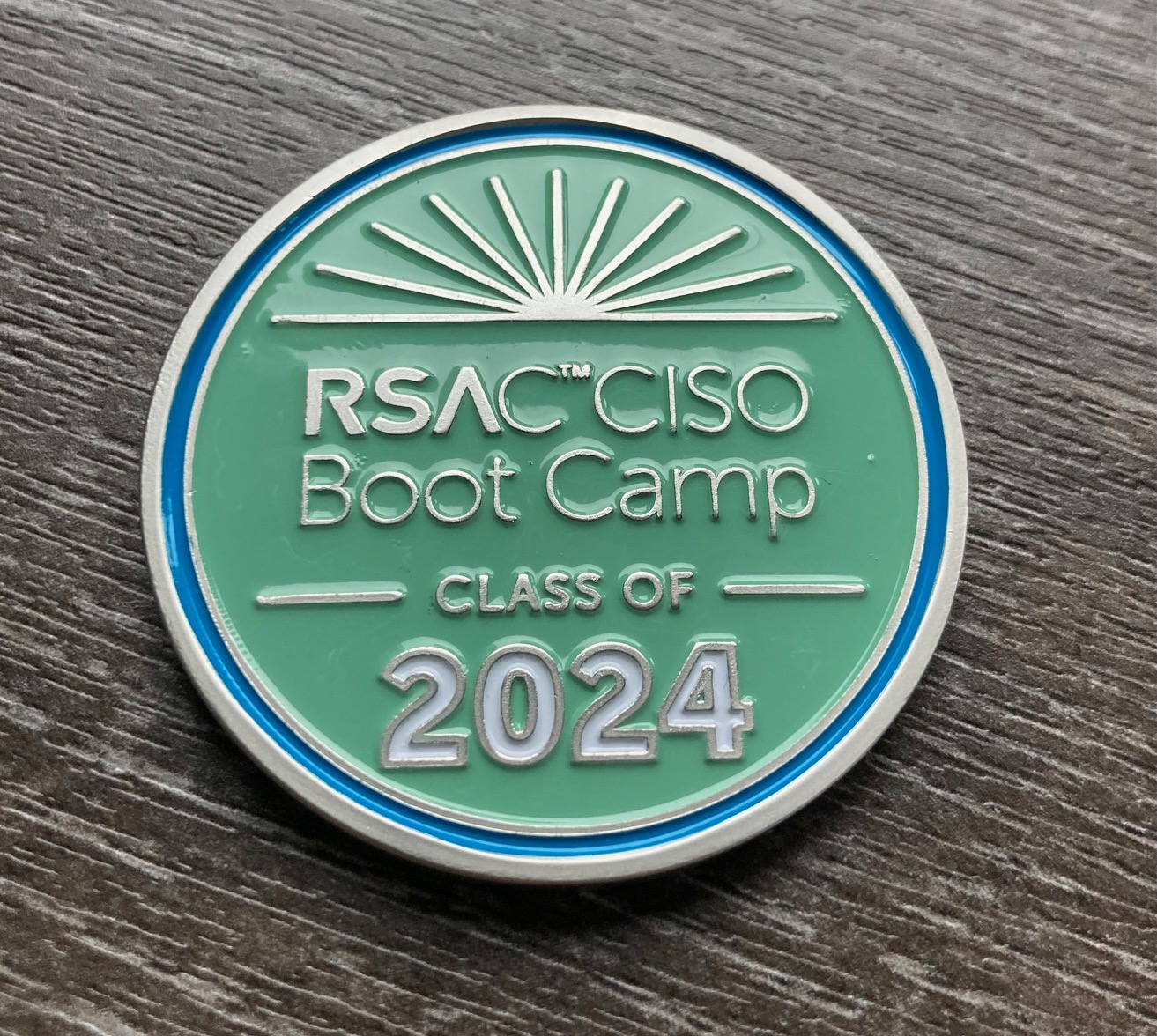
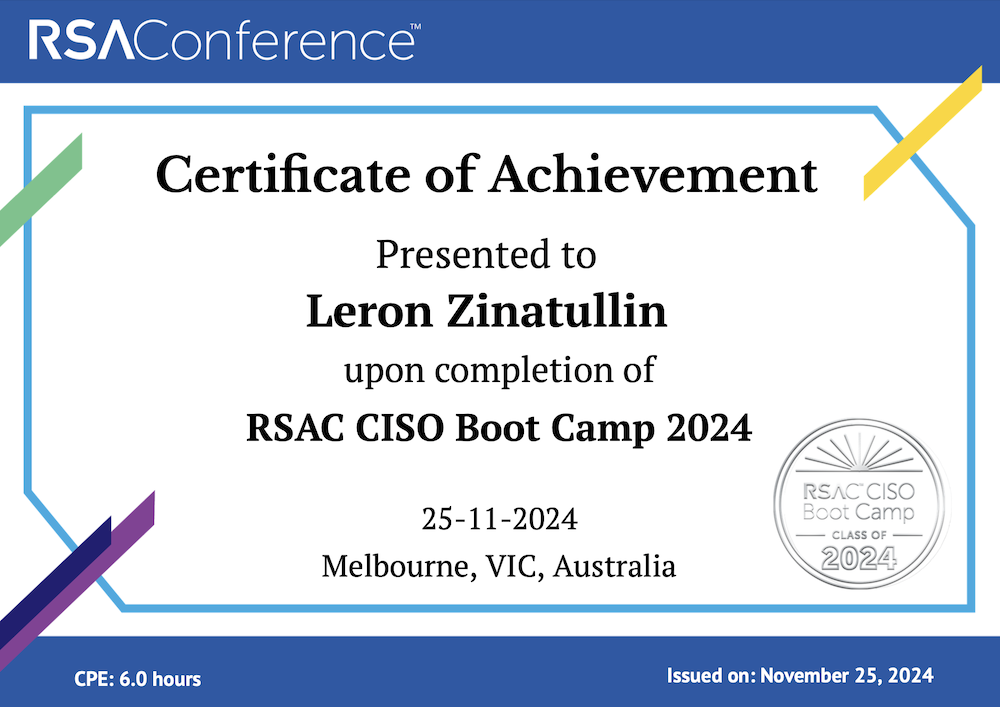
I had the privilege to join a brilliant cohort of CISOs at the RSA Conference CISO Bootcamp. It was an energising experience, where seasoned experts and emerging leaders in cybersecurity came together to tackle our industry’s most pressing challenges.

The bootcamp was more than just a learning experience; it was a platform for sharing personal insights, gaining fresh perspectives and engaging in a thought-provoking debate.

From discussing emerging threats to exchanging strategies for resilience, it was a reminder of the power of community in cybersecurity. A huge thanks to all organisers and speakers for creating a space where we can grow together and tackle our industry’s biggest challenges.

Collaborating with the enemy: key lessons for cyber security

In cybersecurity, collaboration is essential. With growing complexity in the threat landscape, leaders often find themselves working with parties they may not fully align with—whether internal teams, external stakeholders, or even rival firms.

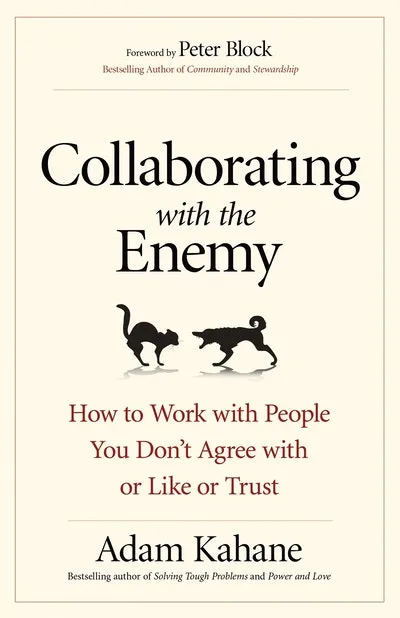
Adam Kahane’s book Collaborating with the Enemy: How to Work with People You Don’t Agree with or Like or Trust outlines principles for collaborating effectively, especially in challenging environments where trust and agreement are minimal. Kahane’s “stretch collaboration” approach can transform the way cybersecurity leaders address conflicts and turn rivals into partners to meet critical security goals. In this blog, I’ll share my key takeaways.

More

Change management and cyber security

Adapted from Kotter, J. 2007, ‘Leading change: Why transformation efforts fail’, Harvard Business Review, vol. 73, no. 2, pp. 1–10.

Cyber security leaders have to be effective change agents to be successful. Cyber capability uplift and risk reduction initiatives often require significant transformation in the organisation. In this blog, I’ll introduce a tried and tested change management framework and demonstrate its application to cyber security in an illustrative case study.

More