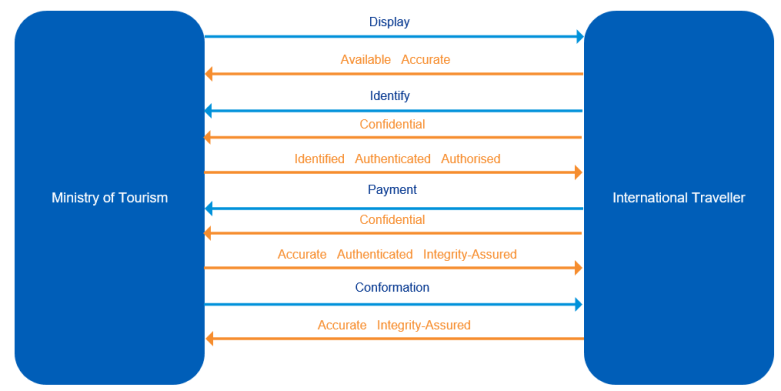
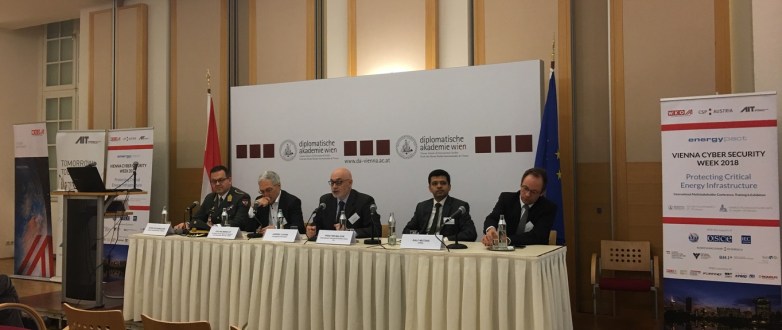
Vienna Cyber Security Week 2018

energypact_oranizers_version-eventmeldung

I’ve spend last week in Vienna at the annual intergovernmental conference focused on protecting critical energy infrastructure.

The first two days were dedicated to the issues of security and diplomacy.

A number of panel discussions, talks and workshops covered the following topics:

  • Implementing the EU strategy for safe, open and secure cyberspace
  • Cyber-threats to critical energy infrastructure
  • Operational resilience
  • Reducing the risks of conflicts stemming from the use of cyber-capabilities
  • Cyber-diplomacy: developing capacity and trust between states

JkVjIud6Si2cm1Ws687l6Q_thumb_3f22

For the rest of the conference we moved from the Diplomatic Academy of Vienna to Tech Gate, a science and technology park and home to a number of local cyber startups.

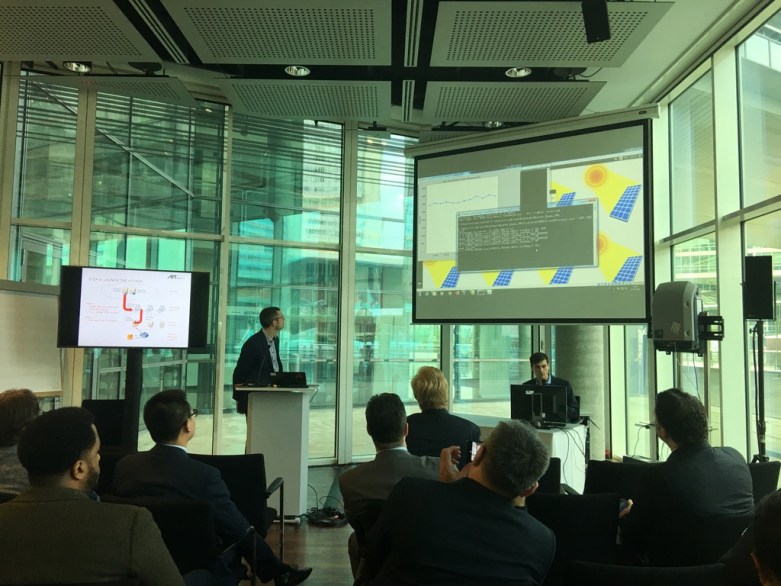
We’ve discussed trends in technology and cyber security, participated in Cyber Range simulation tutorial and a scenario-based exercise on policy development to address the growing cyber-threat to the energy sector.

UNADJUSTEDNONRAW_thumb_3f40

AIT Austrian Institute of Technology together with WKO Austrian Economic Chambers, ASW Austrian Defence and Security Industry, and the Austrian Cyber Security Cluster hosted a technology exhibition of latest solutions and products as well as R&D projects.

Participants had an opportunity to see state-of-the-art of next generation solutions and meet key experts in the field of cyber security for protecting critical infrastructures to fight against cyber-crime and terrorism.

Talks continued throughout the week with topics covering:

  • Securing the energy economy: oil, gas, electricity and nuclear
  • Emerging and future threats to digitalised energy systems
  • Cyber security standards in critical energy infrastructure
  • Public sector, industry and research cooperation in cyber security
  • Securing critical energy infrastructures by understanding global energy markets

UNADJUSTEDNONRAW_thumb_3f5e

The last day focused on innovation and securing the emerging technologies. The CIO of City of Vienna delivered an insightful presentation about on cities and security implications of digitalisation.  A closing panel discussed projected trends and emerging areas of technology, approaches and methods for verifying and securing new technologies and the future of the cyber threat.

Cyber startups: keys to success

Innovation

What makes a cyber startup successful? From my working with a number of companies, there are four key areas cyber entrepreneurs should consider:

Idea

  • Are you passionate about the idea?
  • How unique is it?
  • Can your intellectual properly be protected?

Credibility

  • Do you have genuine expertise in your domain?
  • What do people in your community think of you?
  • Do you have a strong network and business skills?

Client-focus

  • Do you know your client?
  • Do you understand their issues?
  • Do they trust you to solve them?

Learning

  • Are you focusing on the right things?
  • Are you measuring the right things?
  • Are you incorporating client feedback into the development?

The key here, as you can see, is clients. There is really no way around understanding them, pleasing them and focusing on what they want. This feedback will allow you to pivot where required. Above all, stay focused and avoid premature scaling – don’t do too much too soon.

Books and blogs for cyber startup founders

e4c506fe-hutzero-logo_04t01404t014000000

HutZero, an early-stage entrepreneur bootcamp, kindly prepared a list of books and websites recommended for aspiring cyber startup founders.

Books:
The Lean Startup, Eric Reis
Business Model Generation, Alexander Osterwalder, Yves Pigneur
The Mom Test, Rob Fitzpatrick
Lean Analytics, Alistair Croll, Benjamin Yoskovitz
To Sell Is Human, Daniel H. Pink
Start with Why, Simon Sinek
The Purple Cow, Seth Godin
Lean UX, Jeff Gothelf, Josh Seiden
Made to Stick, Chip Heath, Dan Heath
The Four Steps to the Epiphany, Steve Blank
Do More Faster: Lessons from TechStars, Brad Feld, David Cohen
Fundraising Field Guide, Carlos Espinal

Blogs:
Wired Threat Level
Dark Reading
Krebs On Security
TechCrunch Europe
The Next Web
Tech.eu
Tech City News
Buffer Blog (marketing)
Steve Blank
Fred Wilson’s Blog, A VC
Brad Feld’s Blog (Techstars)
KissMetrics Blog (marketing)
Both Sides of the Table

Passed my AWS Certified Solutions Architect exam – here’s how you can too


Solutions badge

I’ve recently passed my AWS Certified Solutions Architect – Associate exam. In this blog I would like to share some preparation tips that would help you ace it.

  1. Practice

Not only practice makes perfect, some hands-on experience is also a prerequisite for the exam. So there is really no way around that! But what if you didn’t have a chance to use your skills on a real-world project yet? No problem! AWS gives you a opportunity to learn how their cloud components work through AWS Free Tier.  For one year, you can use Amazon EC2 Amazon S3Amazon RDSAWS IoT and many more free of charge,

You want more guidance? Qwiklabs developed a set of labs that specifically designed to help you prepare for this exam. For a small price, you can complete exercises without  even requiring an AWS account or signing up for Free Tier.

  1. Read

I recommend studying AWS Whitepapers to broaden your technical understanding. If you are short on time, focus on these:

  1. Watch

AWS developed a free self-paced Cloud Practitioner Essential course, to help you develop an overall understanding of the AWS Cloud. You will learn basic cloud concepts and AWS services, security, architecture, pricing, and support.

There is also a YouTube channel with free introductory videos and other noteworthy material.

Exam sample questions can help you check your knowledge and highlight areas requiring more study.

Remember, the best preparation for the exam is practical experience: AWS recommend 1+  years of hands-on experience with their technologies.

When you’re ready, go ahead and schedule an exam here.

Good luck!

IoT Security Foundation

IoT

It’s the second year I’m attending the IoT Security Foundation conference and it continues to be a great event.

Strategic and technical tracks run in parallel with vendor showcases and means that there’s something interesting for everyone.

It’s great to see industry practitioners and academics coming together to discuss the ethics of IoT, challenges with design and development and the direction of travel of security.

Some of recorded talks are available on the IoTSF website.

Best practice guidance on vulnerability disclosure, connected consumer products and security compliance framework are available to download.

Helping clients in Saudi Arabia


I’ve recently completed an assignment for one of the largest companies in Saudi Arabia where I had the pleasure of helping my clients improve their cyber security posture. During my time there I had the opportunity to explore this beautiful country, learn about its rich history and make a few friends.

And in case you are wondering how an Arabic keyboard looks like, here you go:

jvGavCsCSG6MP5VGAobf6g_thumb_3cf0

Security in mergers and acquisitions: integration

M&A 2

This blog is the second part of the discussion of security in mergers and acquisitions (M&A). I suggest to read Part 1 first, as I’m going to build on it and talk about what happens after the deal is finally signed.

Ok, it’s time to put that champagne glass down. I have bad news: closing the deal was the easy part. Now the hard work begins.

The purpose of the integration phase is to create value. More bad news: 83% of the M&A deals did not boost the shareholder value (according to KPMG global research report) and total average returns on M&A are negative (A.T. Kearney research).

All too often the root cause of these failures lies in poor integration.

There are ample opportunities to start losing the value right at the start during the handover between the deal and integration teams.

To alleviate this, I suggest identifying key resources and preparing implementation plans early in the process. Just like having an overall acquisition strategy and plan precedes the negotiation and due diligence phases, having an approach to integration is key to success. Deliverables, due dates, milestones, information flows are all need to be defined in advance. And cyber security plays a big role here.

A newly acquired company is a prime target for cyber criminals due to the magnitude of change it’s going through during the M&A process. Lack of governance, employee turnover, security vulnerabilities and many other factors can contribute to embarrassing security breaches that affect the reputation of the combined entity.

Key cyber security risks to consider:

  • Regulatory compliance liabilities and impact (e.g. GDPR fines)
  • Theft of intellectual property (data leaks, key employees leave with all the secrets, etc.)
  • Reputational damage (unwanted media attention due to data leaks)

The focus of cyber security post-deal is on protecting the value from internal and external threats, enabling secure integration, achieving long-term security and minimising cultural impact.

This can be attained in the following ways:

  • Supporting the project team deployment (security education, secured laptops, secure remote connection, encryption, etc.)
  • Identifying and prioritising key assets, systems, people and processes
  • Assessing the security of these assets (a carefully scoped pentest might be a good idea)
  • Ensuring confidentiality, integrity and availability of these assets (backups, antivirus, firewalls, patches, etc.)
  • Establishing and controlling access
  • Supporting the rationalisation of normalisation of processes
  • Developing an approach to cyber risk management (including third-party risk)
  • Rolling out security training
  • Supporting secure migration of applications and data
  • Supporting with incident management
  • Supporting with achieving compliance with relevant laws and regulations
  • Setting up a security monitoring capability of the merged entity
  • Establishing governance
  • Developing integrated security strategy and roadmap

Different cultures, attitudes to security and varying control frameworks are among many challenges to consider. Controls are typically relaxed to allow for the integration to go faster. This is where you need to be on a look out for increased threat levels.

To address these effectively, it’s a good idea to split your efforts in two stages: interim and long-term integration.

From the cyber security perspective, during the interim phase, the aim is to assess cyber maturity across the acquired entity rather than come up with a permanent solution.

High-risk areas should be addressed first by establishing interim controls. Long-term integration efforts should be initiated in parallel, starting with development of a security strategy, governance and roadmap.

Proportionality and risk-based approach is key here when integrating the acquired company into your governance structure and control framework. Focus on what matters most and prioritise security controls to protect the value and avoid backlash.

Don’t forget that people would need to still be able to carry out their duties with minimal disruption, but it’s a good idea to establish who needs access to what and why.

Some things can be outside of your control, like losing key employees after deal completion due to inadequate incentive structure. While it might not be your job to design the right retention mechanisms, it’s your responsibility to protect intellectual property, as mentioned above.

Above all, cyber security efforts during the integration process should be joined up with other functions and stakeholder groups. Work closely with the Legal team to minimise potential impact of compliance-related risks, engage Procurement for third-party risk management and align with the executive team to establish the right security culture.

Security in mergers and acquisitions: conducting due diligence

M&A 1

Recently I’ve had an opportunity to support a number of high-profile mergers and acquisitions (M&A) from the cyber security perspective. Although, due to the confidentiality of these projects I won’t be able to share any details, I would like to talk about some learnings and common approaches that might be useful.

The focus of this blog will be on the due diligence process and the role of security in it. It’s written from the buyer’s perspective, but insight into this thought process can be useful if you’re selling too.

Acquiring firms usually seek to fill the gaps in their capabilities (e.g. new technologies) in line with their strategy or to find overlaps allowing for cost reductions through greater consolidation.

Due diligence during M&A is rarely simple, quick or 100% accurate. It aims to reduce risk for both parties involved in the transaction and identify value creation opportunities. Although it might feel brief due to the business pressures, no amount of time will allow you to detect all the threats and identify every risk facing the business.

The main questions you would like to have clarity on from the security perspective are: “What security measures does the company have in place?” and “Are these the right measures?”

Sometimes, it feels like an art rather than a science.  But there are ways to reduce the uncertainty surrounding this process.

Jason Weinstein, former Deputy Assistant Attorney General, U.S. Department of Justice, once said: “When you buy a company, you’re buying their data, and you could be buying their data-security problems.”

Security teams, however, are not always welcome during M&A activities. Why? For one thing, it takes time and costs money to involve them. They may also scare or annoy employees of the target company and can be perceived as slowing things down or, worse still, hampering the deal.

So even when security gets involved, it’s usually quite late in the process with a few days left before the deal needs to be finalised.

To make matters worse, access to the target company is often restricted and the best you can get is a (partially) filled questionnaire. Your security-related questions form a part a broader pre-deal survey, so it’s a good idea to put some thinking what you should ask and why.

A number of subject matter experts in the deal team are all scrambling for limited available time and priority is sometimes given to understanding financials, legal aspects or broader IT strategy, rather than security specifically. Cyber risks, however, should form a core part of the process.

To alleviate some of the challenges outlined above, it helps if the value of the security involvement is clearly articulated (yes, it’s your job to do that). In short, it brings additional expertise to the table, protects the negotiating position and informs senior executives about potential risks, providing recommendations on mitigating them.

To save time, I’ve developed a high-level assessment template that covers all the possible areas of interest from the cyber security perspective and helps identify key assets, systems, processes and employees, but I would never send it as is. You need to do your homework and learn as much about the company and its culture as you can using the information in the public domain.

There are paid-for services out there but Google often does the job, as many OSINT experts would argue. Assuming, of course, you know how to use it! Open source intelligence and research skills at this stage are more useful than ever. Checking the dark web to see if target’s confidential information is being sold by cybercriminals can be useful too.

After the initial research, you can now tailor the questionnaire to verify your initial thoughts. Don’t be shy to ask for evidence if you want to see their policies or latest pentest reports: there are usually secure data rooms set up to share these kinds of documents.

The aim here is to understand the target company risk profile and make the deal team aware of the potential risks and opportunities. You can go one step further and quantify the risk, as this would help inform the value of the deal, potentially reducing the asking price to account for remediation activities during the post-deal phases. Despite the number of unknowns (believe me, it’s normal) it is also a good practice to provide recommendations.

It’s helpful to group your recommendations into three broad categories:

  1.  Risks that should be addressed before the deal can be signed (red flags)
  2.  Items that should be included in the contract (conditions on signing the deal)
  3. Post-deal activities as part of a 30-60-90 day plan that helps prioritise risks mitigation actions

Ask the target to disclose any known security flaws, issues and incidents. It’s probably also a good idea to reserve some funds for the remediation activities post deal. It shouldn’t be all negative; identify value creating opportunities too, if you can.

If you’re a seller, you can increase your marketability by assessing your own assets, discovering your own vulnerabilities and addressing these. Establishing processes to demonstrate compliance is a bonus. But don’t just focus on the current state, think about how your assets are going to stay so post-deal.

Congratulations! You successfully supported the business in making the right decision about this company. But the role of cyber security doesn’t end here. If the board decides to go ahead and the agreement is reached, we are moving into the post-deal stage.

Now, we need to ensure a smooth and secure integration.

GDPR compliance automation: responding to data subject requests

What is GDPR?

The General Data Protection Regulation (GDPR) is a new European legislation intended to strengthen personal data protection for European citizens and harmonise personal data protection rules within the European Union. GDPR replaces the 1998 EU Data Protection Directive and the national laws that implemented this Directive. GDPR becomes the law in all EU Member States without the need for further legislation, though in some areas, Member States are allowed to adopt further specific laws on certain topics, for example, in relation to biometric data and employment data.

What is personal data?

Personal data is defined as any information relating to an identified or identifiable living individual. For example, your name, date of birth, home address, personal email address, your tax identification number, fingerprints, phone number, performance data and medical information are all personal data, but it can also be any combination of data that can identify you.

What rights do individuals have?

The GDPR provides the following rights for individuals:

  • The right to be informed
  • The right of access
  • The right to rectification
  • The right to erasure
  • The right to restrict processing
  • The right to data portability
  • The right to object
  • Rights in relation to automated decision making and profiling.

You can find out more on the ICO website. Companies receive the majority of requests in relation to the right to access and right to be forgotten.

What is the Right of Access?

A data subject access request is when an individual requests to have access to their personal data stored by the company. The purpose of the right to access personal data is to enable individuals to be in control of their own personal data (e.g. understand what personal data is processed and verify the lawfulness of processing).

All personal data which is being processed will need to be provided to the data subject, with a few exceptions to protect the data rights of other individuals and commercial secrets. In some cases, where the relevant systems provide for this, the right of access can be complied with by self-service by the data subject.

What is the Right to be Forgotten?

A data subject may make a request for the right to erasure, also known as the right to be forgotten. The right to be forgotten applies when: the individual has withdrawn consent, the data was processed unlawfully, or the data must be erased to comply with legal obligation. Only data items are forgotten for which the company does not have a legal basis (e.g. tax, accounting, employment, legal, etc.) or business purpose to retain.

The extent to which data can be erased depends on the nature of the personal data. For example, an employee cannot request that the fact that he or she worked at the company be deleted. When a data subject enacts their right to be forgotten, their personal data needs to be either deleted or anonymised such that it can no longer be linked back to the individual.

How to automate responding to data subject requests

Below is a high-level diagram of the solution that automates the processes that need to be carried out to comply with the regulation.

Tool

This includes collecting data from different systems in order to fulfill a Subject Access Request and instructing systems to delete/anonymise data as part of a Right to be Forgotten request.

Process automation requires that asset inventories and data flows are first documented and personal data processing systems are identified.

The solution then integrates with system APIs and orchestrates data subject requests. It allows the operator (data privacy team) to generate a consumable report and carry out necessary identity verification checks before responding to the request. It also enables the operator to customise the report if needed.

This approach ensures personal data is collected or removed from all the systems in scope and accelerates the process of responding to the requestor within the 30-day period.