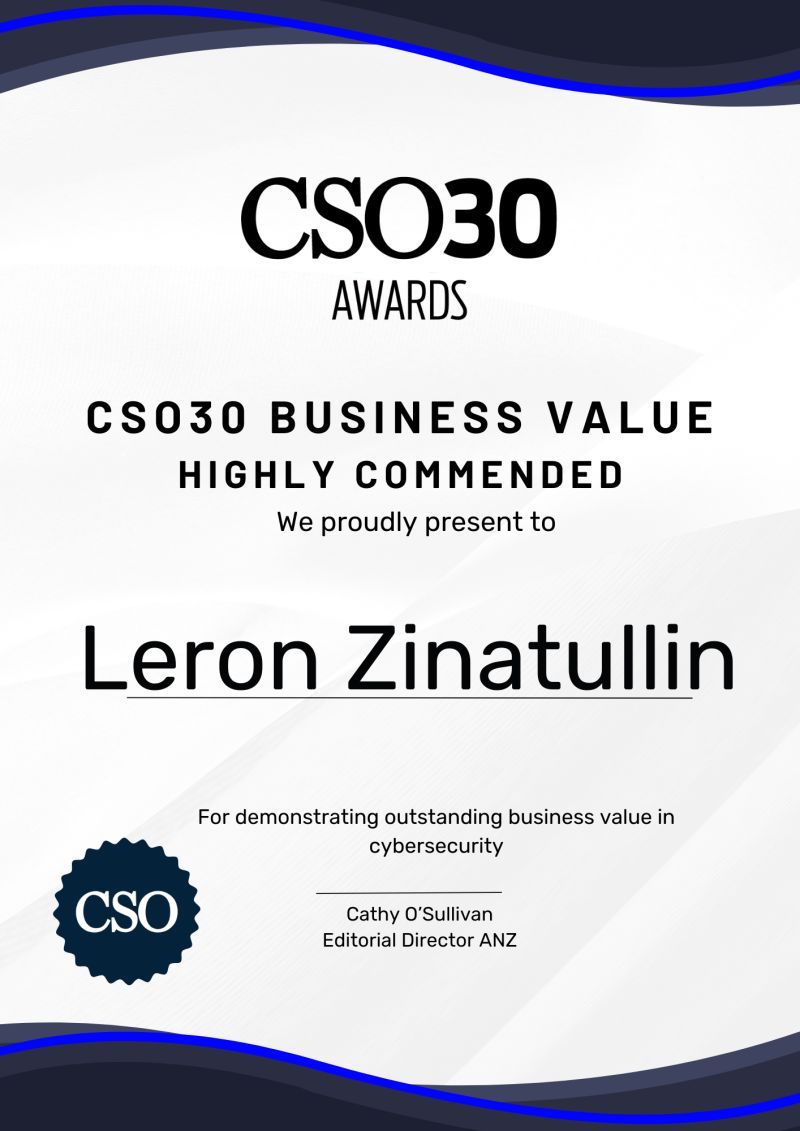
Super proud to be recognised as one of Australia’s top cybersecurity leaders 🏆
And receiving a high commendation for demonstrating outstanding business value is the cherry on top!
Congratulations to all CIO and CISO honourees.
A practical approach
Super proud to be recognised as one of Australia’s top cybersecurity leaders 🏆
And receiving a high commendation for demonstrating outstanding business value is the cherry on top!
Congratulations to all CIO and CISO honourees.
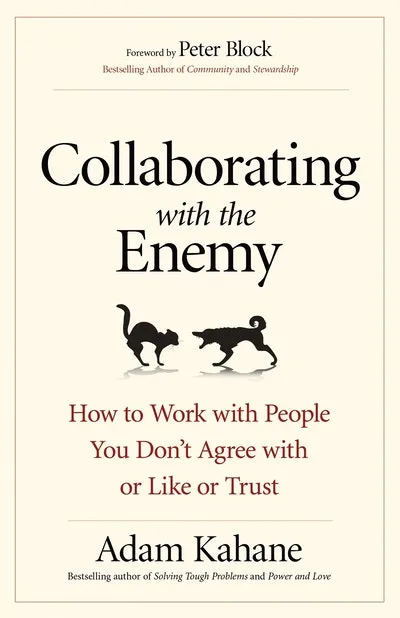
In cybersecurity, collaboration is essential. With growing complexity in the threat landscape, leaders often find themselves working with parties they may not fully align with—whether internal teams, external stakeholders, or even rival firms.
Adam Kahane’s book Collaborating with the Enemy: How to Work with People You Don’t Agree with or Like or Trust outlines principles for collaborating effectively, especially in challenging environments where trust and agreement are minimal. Kahane’s “stretch collaboration” approach can transform the way cybersecurity leaders address conflicts and turn rivals into partners to meet critical security goals. In this blog, I’ll share my key takeaways.

It was great to chat with Lieutenant General Michelle McGuinness, the National Cyber Security Coordinator, about the 2023 – 2030 Australian Cyber Security Strategy as well as key initiatives, strategic imperatives and challenges that CISOs must navigate.
As a CISO who recently led an organisation through successful SOC 2 Type 1 and Type 2 audits, I’d like to share some insights and steps to help others on their journey toward SOC 2 attestation.
SOC 2 may not be for everyone (refer to my blog on compliance frameworks), but it can be useful for organisations dealing with sensitive customer data, particularly in SaaS, as it demonstrates a commitment to security, privacy, and data integrity. The journey toward SOC 2 attestation can be complex, but with careful planning and the right strategies, it’s achievable.
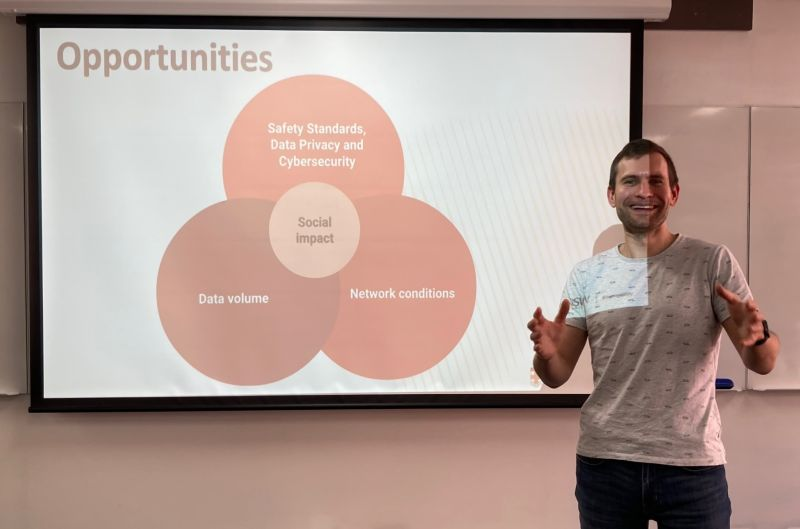
I had an absolute blast at the AI for Social Impact hackathon.
I had a chance to experiment with systems thinking, design thinking and other innovation tools to harness the power of AI for good.

Cyber security leaders have to be effective change agents to be successful. Cyber capability uplift and risk reduction initiatives often require significant transformation in the organisation. In this blog, I’ll introduce a tried and tested change management framework and demonstrate its application to cyber security in an illustrative case study.
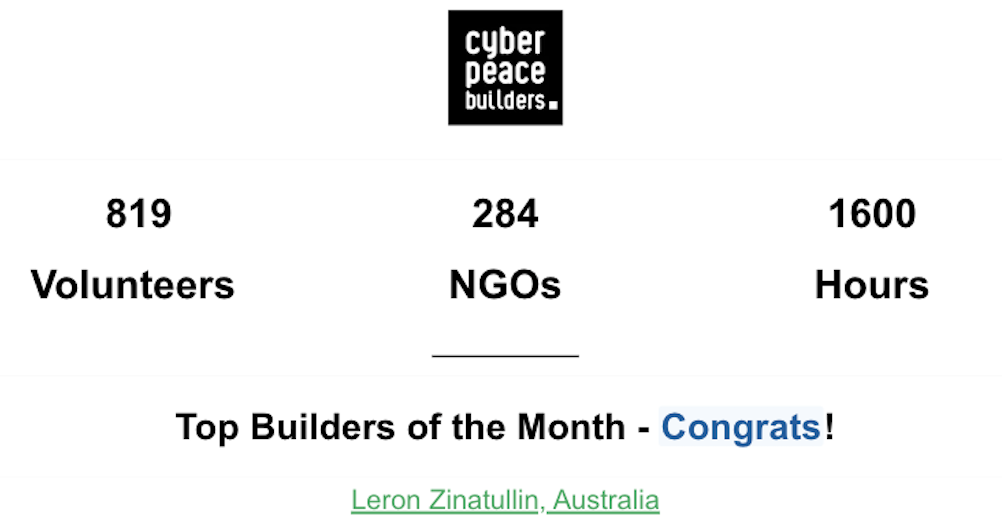
I’m proud to be named CyberPeace Institute‘s Volunteer of the Month.
A big shoutout to CyberPeace for this awesome recognition! It’s been such a rewarding experience to help them in their mission to make the digital world safer for everyone.
The CyberPeace Institute is a non-profit focused on reducing the harm caused by cyberattacks to individuals and communities. Through their CyberPeace Builders program, they offer free cybersecurity support to organisations that need it most, especially those where cyber threats can have a serious impact.
As a volunteer, I’ve had the chance to help for-purpose organisations respond to cyber attacks, develop incident response plans, run security awareness training, perform dark web monitoring and craft essential policies and procedures. Plus, I’ve provided general cyber advice along the way. It’s been an incredible journey being part of a team that’s making a real difference.
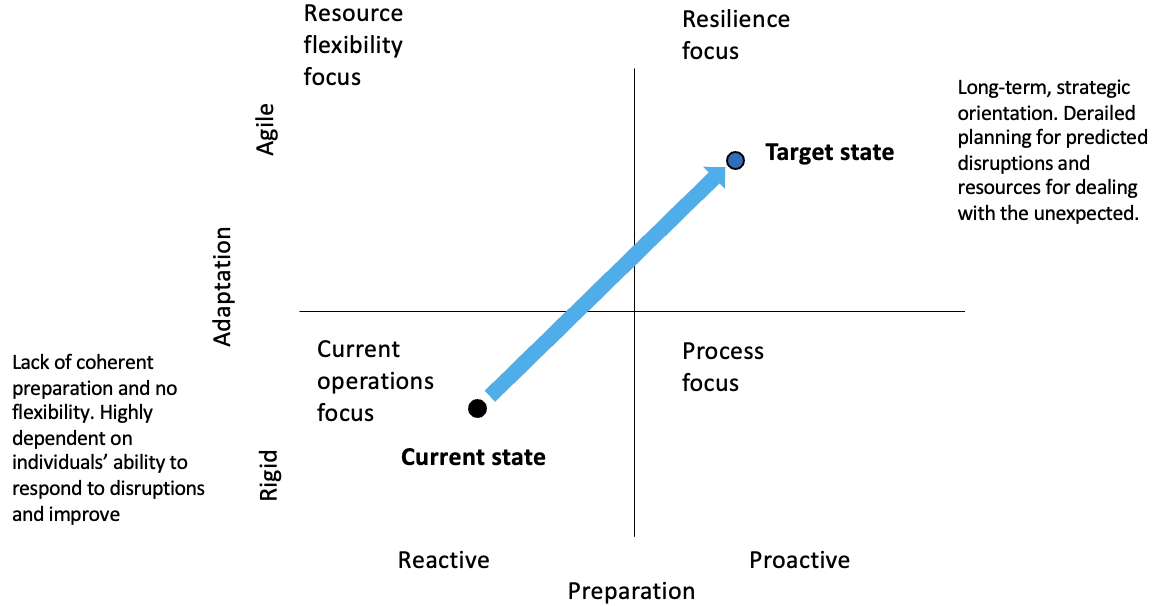
Scenario analysis is a powerful tool to enhance strategic thinking and strategic responses. It aims to examine how our environment might play out in the future and can help organisations ask the right questions, reduce biases and prepare for the unexpected.
What are scenarios? Simply put, these are short explanatory stories with an attention- grabbing and easy-to-remember title. They define plausible futures and often based on trends and uncertainties.

I recently completed a masterclass on embedding sustainable leadership in organisations. The best part was the interactive simulation to identify the trade-offs necessary to achieve a balanced approach to decision making for both immediate business goals and long-term sustainability.