How to secure a tech startup

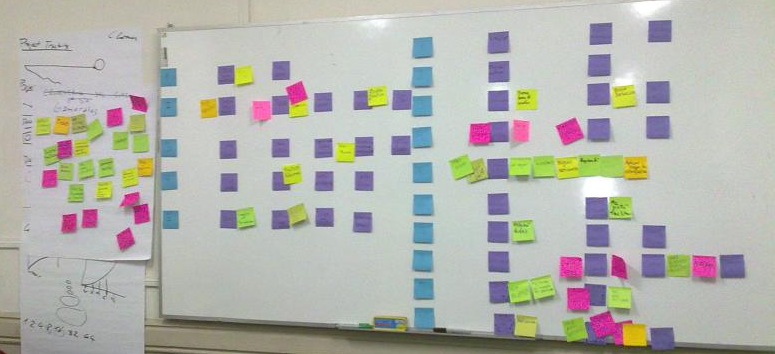
scrum_boardIf you work for or (even better) co-founded a tech startup, you are already busy. Hopefully not too busy to completely ignore security, but definitely busy enough to implement one of the industrial security frameworks, like the NIST Cybersecurity Framework (CSF). Although the CSF and other standards are useful, implementing them in a small company might be resource intensive.
I previously wrote about security for startups. In this blog, I would like to share some ideas for activities you might consider (in no particular order) instead of implementing a security standard straight away. The individual elements and priorities will, of course, vary depending on your business type and needs and this list is not exhaustive.

Product security

Information security underpins all products and services to offer customers an innovative and frictionless experience.

  • Improve product security, robustness and stability through secure software development process
  • Automate security tests and prevent secrets in code
  • Upgrade vulnerable dependencies
  • Secure the delivery pipeline

Cloud infrastructure security

To deliver resilient and secure service to build customer trust.

  • Harden cloud infrastructure configuration
  • Improve identity and access management practices
  • Develop logging and monitoring capability
  • Reduce attack surface and costs by decommissioning unused resources in the cloud
  • Secure communications and encrypt sensitive data at rest and in transit

Operations security

To prevent regulatory fines, potential litigation and loss of customer trust due to accidental mishandling, external system compromise or insider threat leading to exposure of customer personal data.

  • Enable device (phone and laptop) encryption and automatic software updates
  • Make a password manager available to your staff (and enforce a password policy)
  • Improve email security (including anti-phishing protections)
  • Implement mobile device management to enforce security policies
  • Invest in malware prevention capability
  • Segregate access and restrict permissions to critical assets
  • Conduct security awareness and training

Cyber resilience

To prepare for, respond to and recover from cyber attacks while delivering a consistent level of service to customers.

  • Identify and focus on protecting most important assets
  • Develop (and test) an incident response plan
  • Collect and analyse logs for fraud and attacks
  • Develop anomaly detection capability
  • Regular backups of critical data
  • Disaster recovery and business continuity planning

Compliance and data protection

To demonstrate to business partners, regulators, suppliers and customers the commitment to security and privacy and act as a brand differentiator. To prevent revenue loss and reputational damage due to fines and unwanted media attention as a result of GDPR non compliance.

  • Ensure lawfulness, fairness, transparency, data minimisation, security, accountability, purpose and storage limitation when processing personal data
  • Optimise subject access request process
  • Maintain data inventory and mapping
  • Conduct privacy impact assessments on new projects
  • Data classification and retention
  • Vendor risk management
  • Improve governance and risk management practices

Image by Lennon Shimokawa.

How to audit your AWS environment

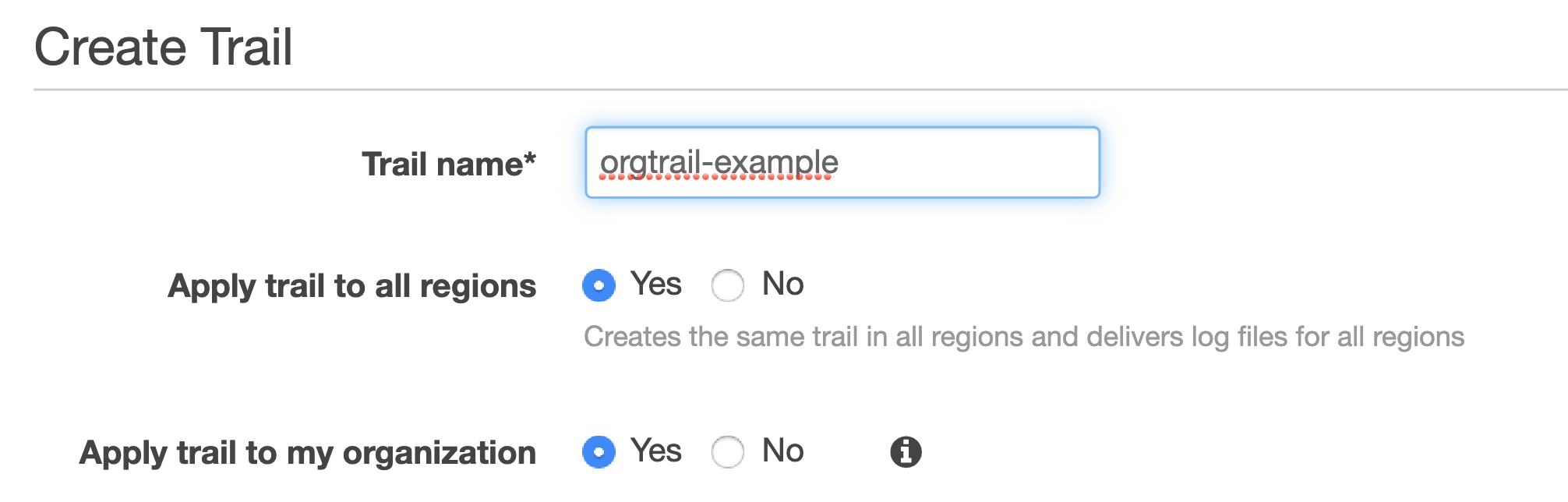
Cloudmapper

Let’s build on my previous blog on inventorying your AWS assets. I described how to use CloudMapper‘s collect command to gather metadata about your AWS accounts and report on resources used and potential security issues.

This open source tool can do more than that and it’s functionality is being continuously updated. Once the data on the accounts in scope is downloaded, various operations can be performed on it locally without the need to continuously query the accounts.

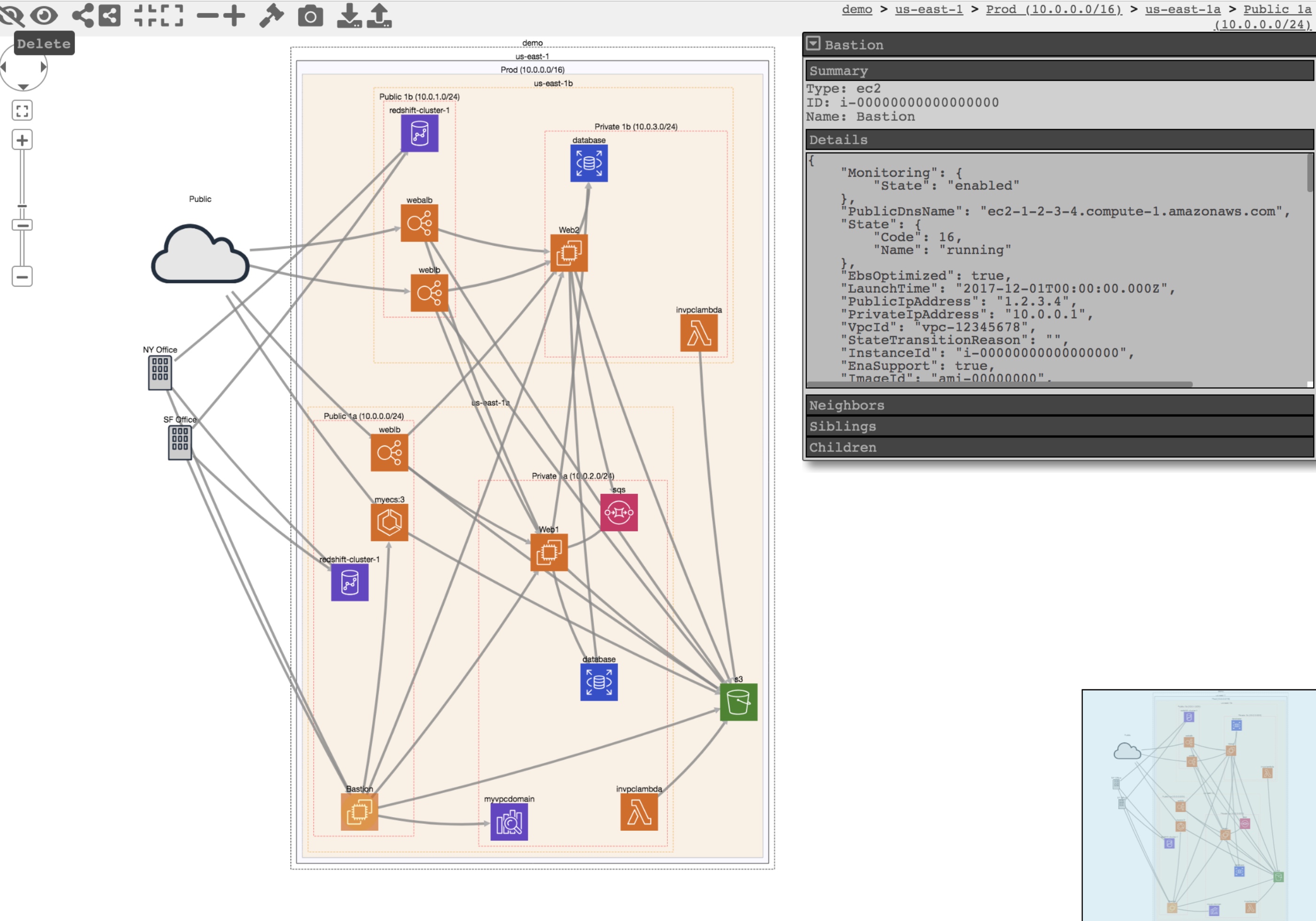
One of interesting use cases is to visualise your AWS environment in the browser. An example based on the test data of such a visualisation is at the top of this blog. You can apply various filters to reduce complexity which can be especially useful for larger environments.

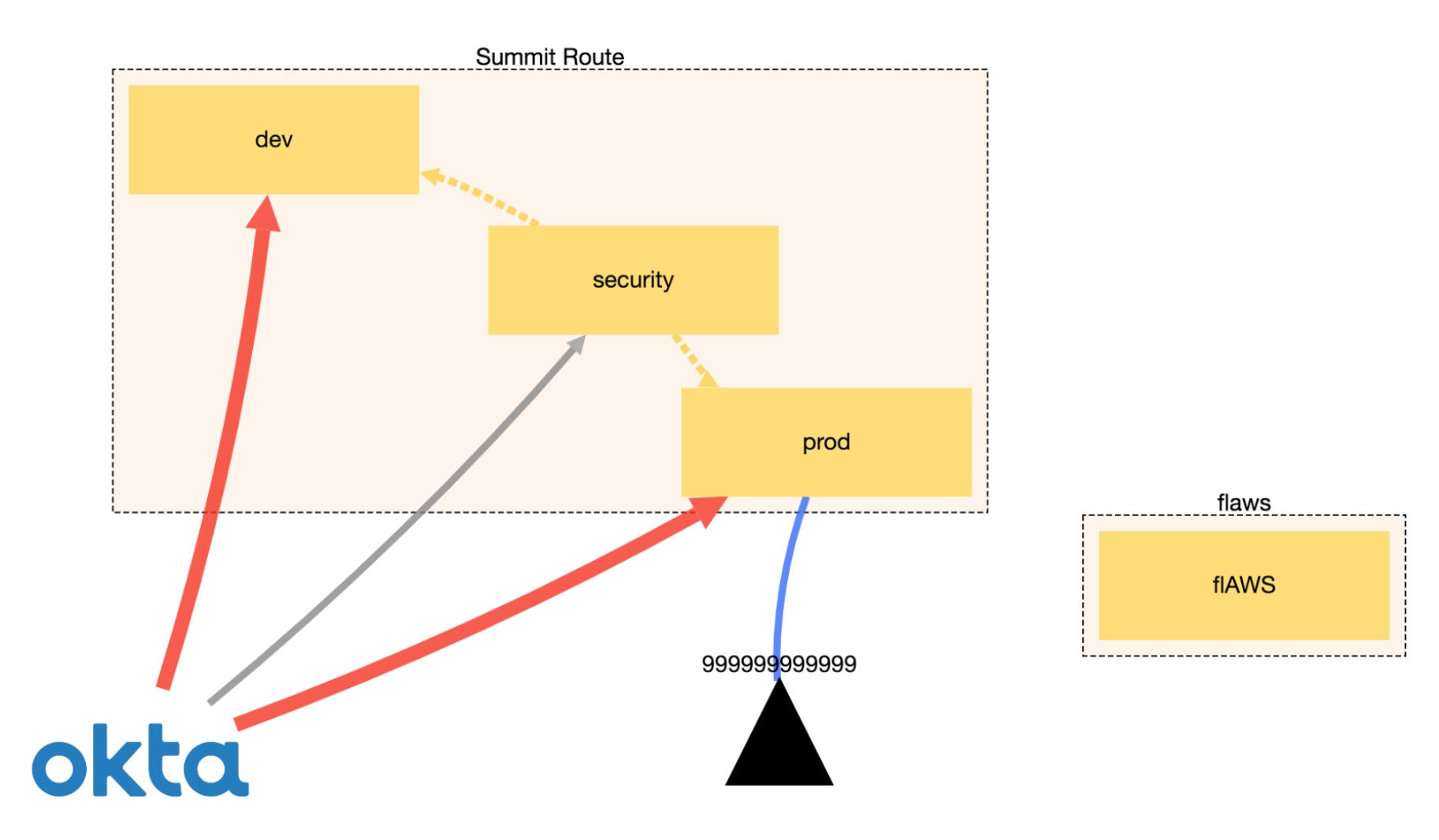
Another piece of CloudMapper’s functionality is the ability to display trust relationships between accounts using the weboftrust command. Below is an example from Scott’s guidance on the use of this command. It demonstrates the connections between accounts, including external vendors.

weboftrust

I’m not going co cover all the commands here and suggest checking the official GitHub page for the latest list. I also recommend running CloudMapper regularly, especially in environments that constantly evolve.

An approach of that conducts regular audits. saving reports and integrating with Slack for security alerts is described here.

Agile security. Part 2: User stories

Clickup

In the previous blog, I wrote about how you as a security specialist can succeed in the world of agile development, where the requirements are less clear, environment more fluid and change is celebrated not resisted.

Adjusting your mindset and embracing the fact that there will be plenty of unknowns is the first step in adopting agile security practices. You can still influence the direction of the product development to make it more resilient, safe and secure by working with the Product Owner and contributing your requirements to the product backlog.

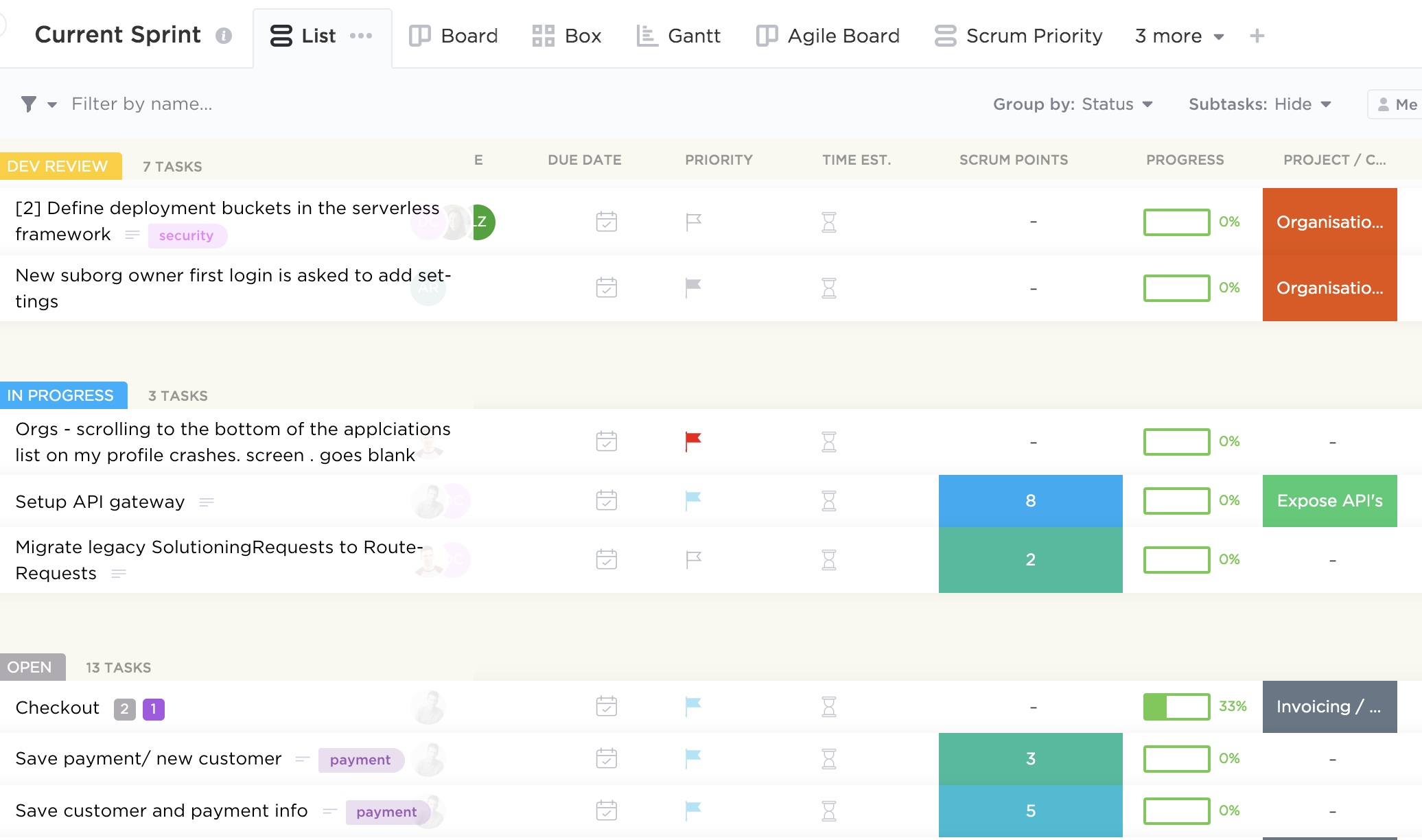
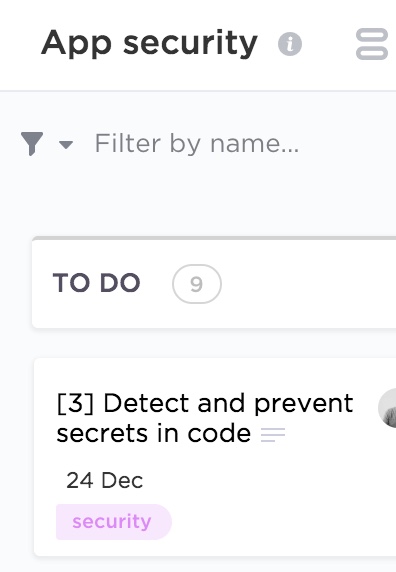
Simply put, product backlog is a list of desired functionality, bug fixes and other requirements needed to deliver a viable product. There are plethora of tools out there to help manage dependencies and prioritisation to make the product owner’s job easier. The image at the top of this post is an example of one of such tools and you can see some example requirements there.

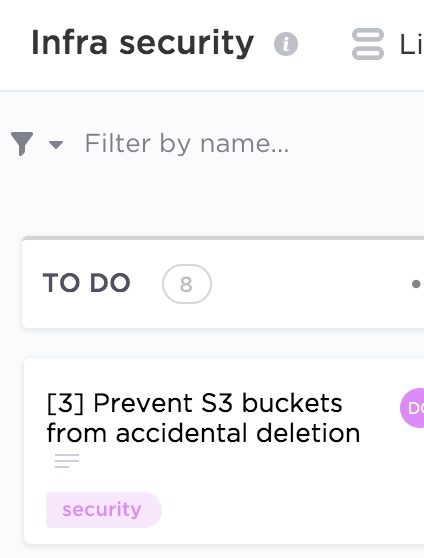
As a security specialist, you can communicate your needs in a form of user stories or help contribute to existing ones, detailing security considerations. For example, ”Customer personal data should be stored securely” or “Secure communication channels should be used when transmitting sensitive information”. Below are a couple more examples from different categories.

When writing security user stories, you should try and elaborate as much as possible on the problem you are trying to solve, what value it will provide if solved and the acceptance criteria. Each story will then have points assigned which signifies how much effort a particular functionality will require. The process of arriving to the final number is quite democratic and usually involves playing planning (sometimes also called Scrum) poker in which every developer will estimate how long each story is going to take with some discussion and eventual consensus. You can do it with an app as on the image below, or the old school way with a deck of cards. 

You don’t have to use the above number pattern, and opt-in instead for the Fibonacci sequence or T-shirt sizes.

It’s important that the security team is involved in sprint planning to contribute to the estimates and help the product owner with prioritisation. Other Scrum meetings, like backlog refinement and daily stand-ups are also worthwhile to attend to be able clarify your requirements (including value, risk, due dates and dependencies) and help remove security related impediments.

A culture of collaboration between teams is essential for the DevSecOps approach to be effective. Treating security as not something to workaround but as a value adding product feature is the mindset product and engineering teams should adopt. However, it’s up to security specialists to recognise the wider context in which they operate and accept the fact that security is just one of the requirements the team needs to consider. If the business can’t generate revenue because crucial features that customers demand are missing, it’s little consolation that security vulnerabilities have been addressed. After all, it’s great to have a secure product, but less so when nobody uses it.

Agile security. Part 1: Embedding security in your product

Board

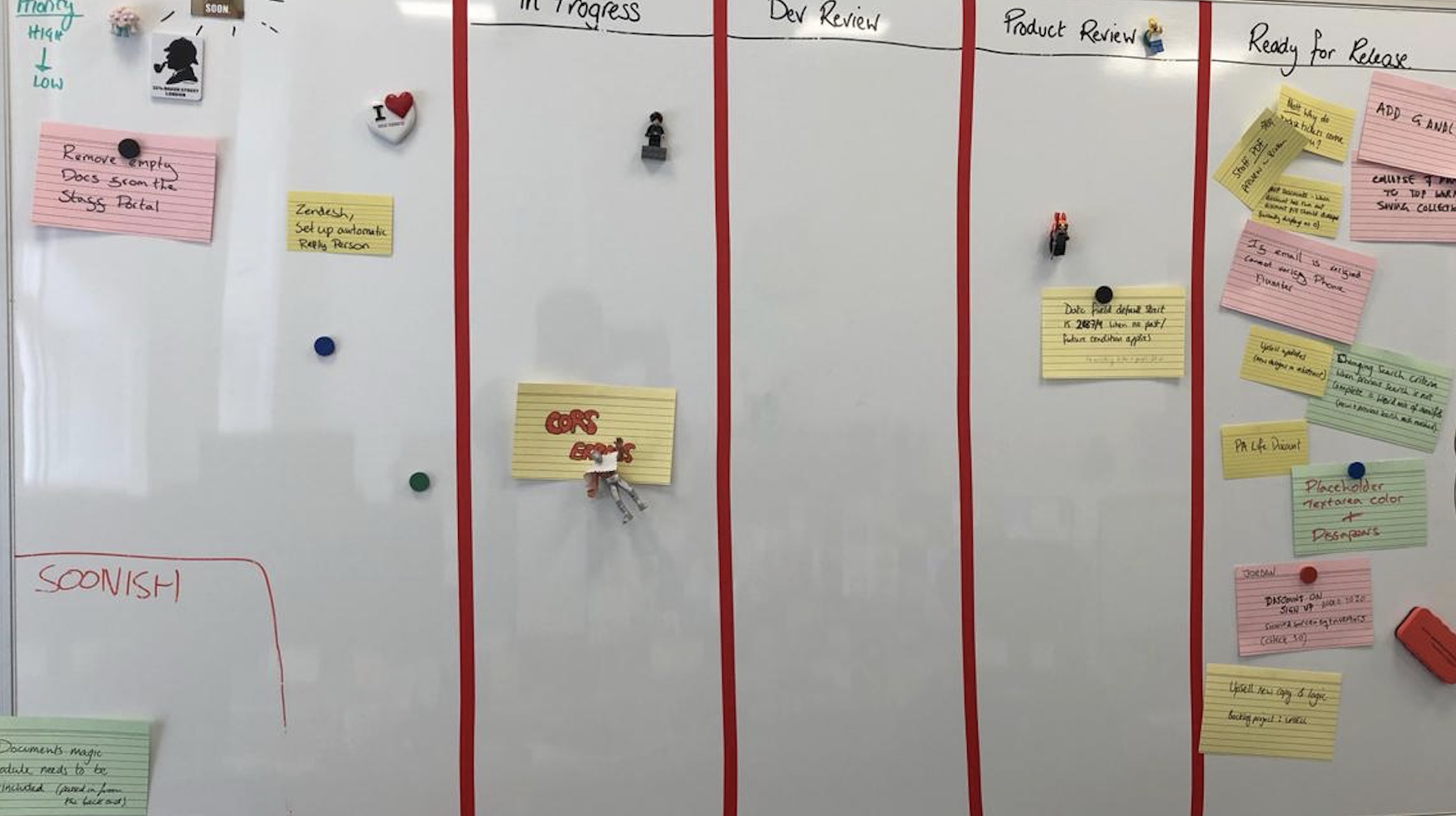
Outline security requirements at the beginning of the project, review the design to check if the requirements have been incorporated and perform security testing before go-live. If this sounds familiar, it should. Many companies manage their projects using the waterfall method, where predefined ‘gates’ have to be cleared before the initiative can move forward. The decision can be made at certain checkpoints to not proceed further, accepting the sunk costs if benefits now seem unlikely to be realised.

This approach works really well in structured environments with clear objectives and limited uncertainty and I saw great things being delivered using this method in my career. There are many positives from the security point of view too: the security team gets involved as they would normally have to provide their sign-off at certain stage gates, so it’s in the project manager’s interest to engage them early to avoid delays down the line. Additionally, the security team’s output and methodology are often well defined, so there are no surprises from both sides and it’s easier to scale.

If overall requirements are less clear, however, or you are constantly iterating to learn more about your stakeholder’s needs to progressively elaborate on the requirements, to validate and perhaps even pivot from the initial hypothesis, more agile project management methodologies are more suitable.

Embedding security in the agile development is less established and there is more than one way of doing it. 

When discussing security in startups and other companies adopting agile approaches, I see a lot of focus on automating security tests and educating developers on secure software development. Although these initiatives have their merits, it’s not the whole story.

Security professionals need to have the bigger picture in mind and work with product teams to not only prevent vulnerabilities in code, but influence the overall product strategy, striving towards security and privacy by design. 

Adding security features and reviewing and refining existing requirements to make the product more secure is a step in the right direction. To do this effectively, developing a relationship with the development and product teams is paramount. The product owner especially should be your best friend, as you often have to persuade them to include your security requirements and user stories in sprints. Remember, as a security specialist, you are only one of the stakeholders they have to manage and there might be a lot of competing requirements. Besides, there is a limited amount of functionality the development can deliver each sprint, so articulating the value and importance of your suggestions becomes an essential skill.

Few people notice security until it’s missing, then the only thing you can notice is the absence of it. We see this time and time again when organisations of various sizes are grappling with data breaches and security incidents. It’s your job to articulate the importance of prioritising security requirements early in the project to mitigate the potential rework and negative impact in the future.

One way of doing this is by refining existing user stories by adding security elements to them, creating dedicated security stories, or just adding security requirements to the product backlog. Although the specifics will depend on your organisation’s way of working, I will discuss some examples in my next blog.

How to manage vulnerabilities in your open source packages. Part 2: Integrating Snyk in your CI/CD pipeline

We learnt how to detect vulnerable packages in your projects using Snyk in the previous blog. Here, in the true DevSecOps fashion, I would like outline how to integrate this tool in your CI/CD pipeline.

Although the approach described in the previous blog has its merits, it lacks proactivity, which means you might end up introducing outdated packages in your codebase. To address this limitation, I’m going to describe how to make Snyk checks part of your deployment workflow. I’ll be using CircleCI here as an example, but the principles can be applied using any CI tool.

A step-by-step guidance on configuring the integration is available on both the Snyk and CircleCI websites. In the nutshell, it’s just about adding the Snyk Orb and API to CircleCI.

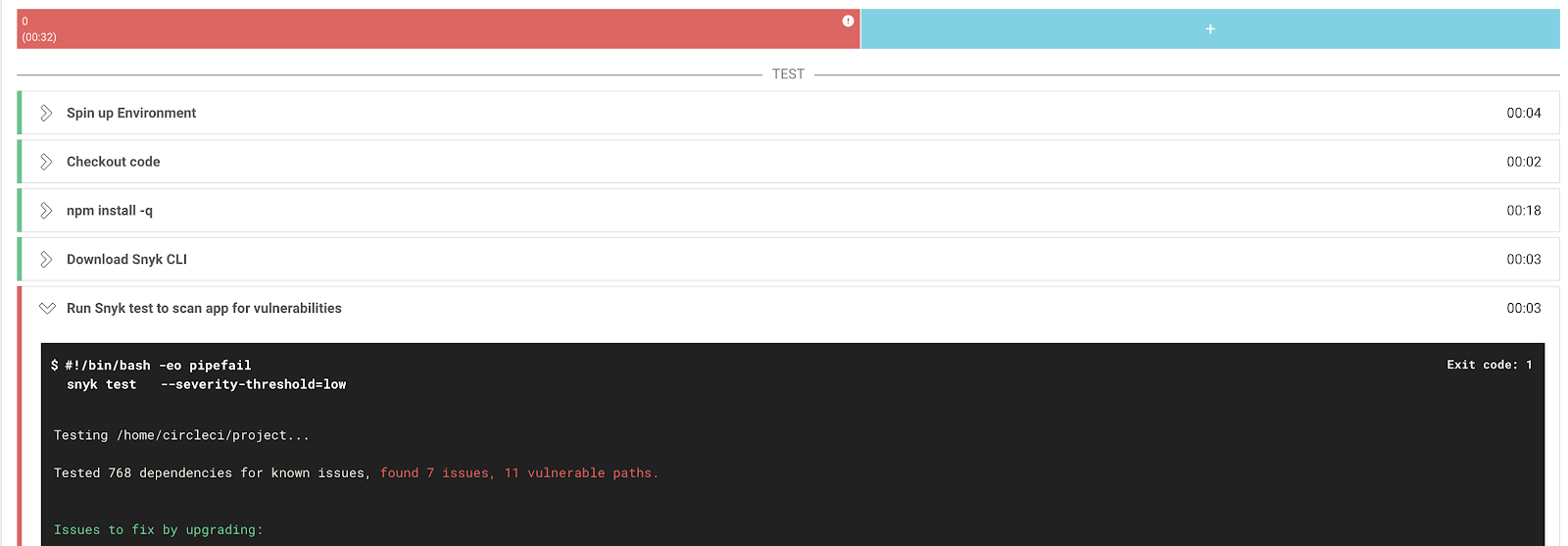
After the initial set-up, an additional test will be added to your CircleCI workflow.

Pipeline

If vulnerabilities are identified, you can set CircleCI to either fail the build to prevent outdated libraries to be introduced or let the build complete and flag.

snyk_scan

Both methods have their pros and cons and will depend on the nature of your environment and risk appetite. It’s tempting to force the build fail to prevent more vulnerable dependencies being introduced but I suggest doing so only after checking with your developers and remediating existing issues in your repositories using the method described in the previous blog.

Tests

Snyk’s free version allows you only a limited number of scans per month, so you need to also weigh costs agains benefits when deploying this tool in your development, staging and production environments.

This approach will allow you to automate security tests in a developer-friendly fashion and hopefully bring development and security teams closer together, so the DevSecOps can be practiced.

How to manage vulnerabilities in your open source packages. Part 1: Using Snyk

We rely on open source libraries when we write code because it saves a lot of time (modern applications rely on hundreds of them), but these dependencies can also introduce vulnerabilities that are tricky to manage and easy to exploit by attackers.

One way of addressing this challenge is to check the open source packages you use for known vulnerabilities.

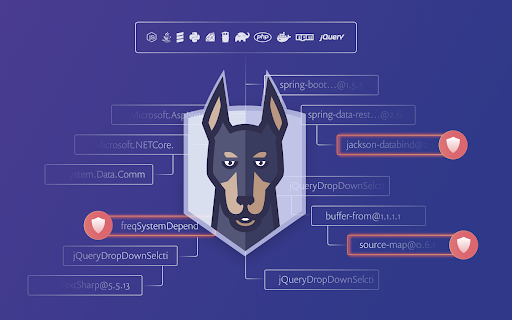
In this blog I would like to discuss how to do this using an open source tool called Snyk

Snyk

The first thing you want to do after creating an account is to integrate Snyk with your development environment. It supports a fair amount of systems, but here I would like to talk about GitHub as an example. The process of getting the rest of the integrations are pretty similar.

Snyk’s browser version has an intuitive interface and all you need to do is go to the Integrations tab, select GitHub and follow the instructions.

After granting the necessary permissions and selecting the code repositories you want tested (don’t forget the private ones too), they will be immediately scanned.

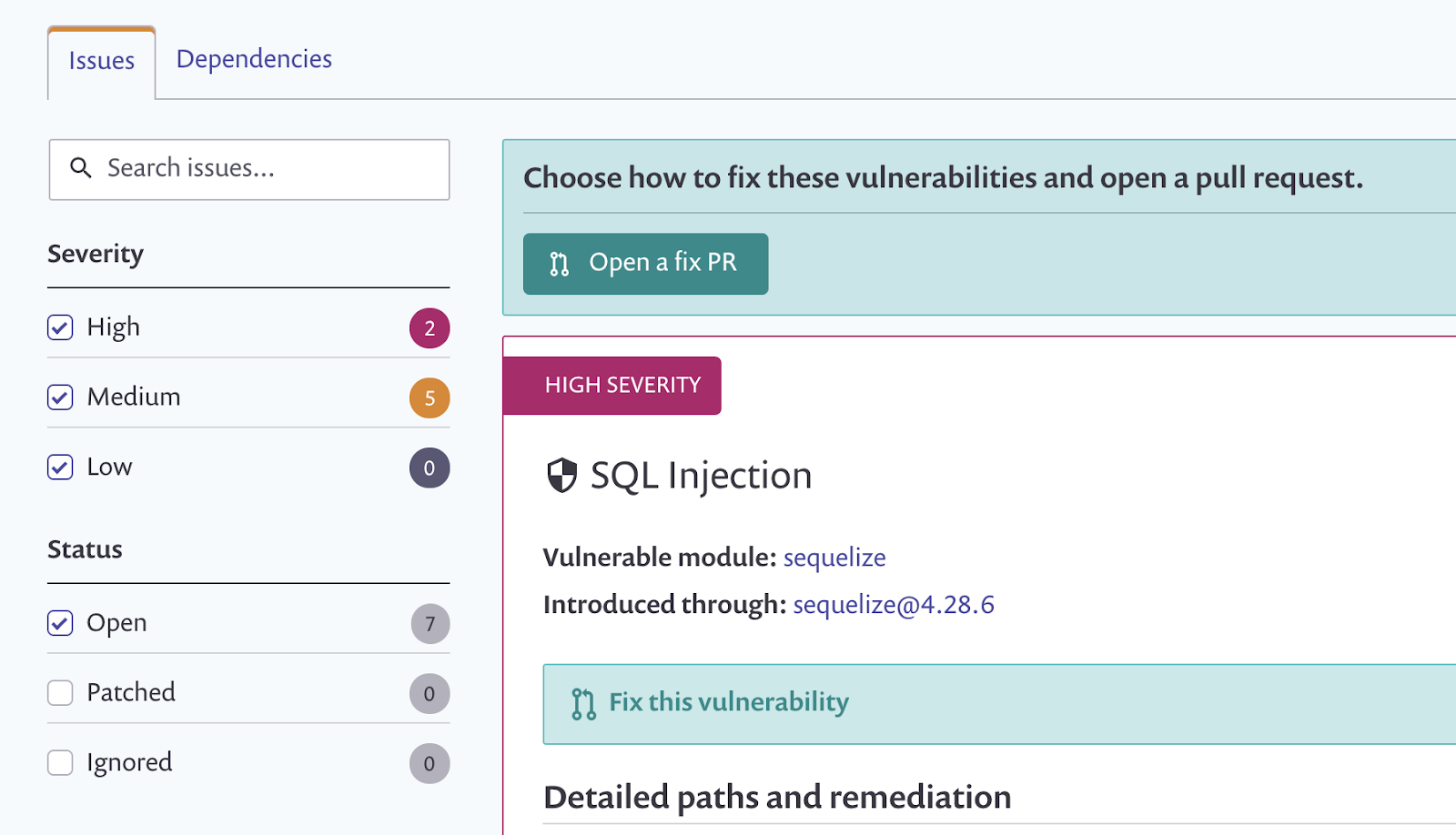
You will be able to see the results in the Projects tab with issues conveniently ordered by severity so you can easily prioritise what to tackle first. You can also see the dependency tree there which can be quite handy.

Project.png

A detailed description of the vulnerability and some recommendations on how to remediate it are also provided.

Most vulnerabilities can be fixed through either an upgrade or a patch and that’s what you should really do, or ask someone (perhaps by creating a ticket) if you don’t own the codebase. Make sure you test it first though as you don’t want the update to break your application.

Some fancy reporting (and checking license compliance) is only available in the paid plan but the basic version does a decent job too.

You can set up periodic tests with desired frequency (daily or weekly) which technically counts as continuous monitoring but it’s only the second best option compared to performing tests in your deployment pipeline. Integrating Snyk in your CI/CD workflow allows to prevent issues in your code before it even gets deployed. This is especially useful in organisations where code gets deployed multiple times a day with new (potentially vulnerable) libraries being introduced. And that’s something we are going to discuss in my next blog.

How to respond to a security incident

In this blog I would like to outline a process of responding to a security incident, including a breach of personal data. It is intended to be high-level in nature to allow for adaptation to different types of incidents and specific needs of your organisation.

There are many definitions of a security incident out there. I prefer this one: a security incident is an attempted or successful unauthorised access, use, theft, disclosure, modification or destruction of information, or interference with or misuse of information processing infrastructure, applications and data. A personal data breach is one of the types of a security incident which occurs when personal information is subject to loss or unauthorised access, use, disclosure, copying or modification.

More

Cyber security in divestments

3197813348_6786c9aae5_z

A company may divest its assets for a number of reasons: political, social or purely financial in order to free up resources to focus on core business. Regulators may also demand a divestment to prevent one company holding a monopoly. When such a decision is made, the security function can support the business by managing risks during this process. These risks not only include the obvious legal and regulatory compliance ones, but also risks related to business disruption and leaks of intellectual property or other sensitive information. Security teams can also help the business identify value adding opportunities through, for instance, saving costs on software licenses.

The scale of divestments vary and depend on the nature of the organisation: they can range from a single subsidiary to a whole division. Information usually accompanies physical assets, which opens up potential challenges with data governance when these assets change hands. The magnitude of such risks differ depending on specific conditions of the deal, for example:

  • Number of assets is scope
  • Criticality of assets
  • Location of assets and applicable jurisdictions

In my experience, divestments are almost always associated with aggressive timelines for completion usually in the form of legally binding agreements. Therefore, as a security professional, the last thing you want to do is to slow down the process and prevent the business from meeting these timelines.

You need to balance this, however, with the risk exposure. It helps when the security team gets involved early to support the process from the start. All too often, however, the business can be asking for security sign-off after the finalisation of the deal. This can be disappointing, particularly when a number of data transfer requirements have already been violated.

So if you’re one of the lucky ones, and the business is asking for your advice on divesting securely, what should you tell them? What areas do you consider? Here are some examples to get you started:

  • Information asset inventories and data maps. These might include data, software and infrastructure assets. You can’t help securely transfer something you don’t know exists. Start with establishing visibility and interdependencies.
  • Access control. Who has access to what? Do they need that access? Will they need that access in the future? Segregation of duties and least privilege principles are not just abstract philosophical concepts – they have real applications when it comes to divestments.
  • Consider legal and regulatory requirements when it comes to data asset transfer, retention and disposal. Involve your legal team, but don’t forget about technical controls, like encryption and secure data wipes.
  • Availability of skilled resource and mature IT function on the ‘buy’ side. Remember, whoever is buying the assets must have their infrastructure ready to support the acquisition and integration of new assets. Despite being perceived as a ‘buyer’s problem’, risks like that can negatively impact the overall project and should be considered.

All in all, the divestment process can be challenging but the early integration of security professionals ensures the appropriate oversight is given to all relevant areas for a smooth transfer to the buyer.

Image by Jason Kuffer.