Governing AI Agents

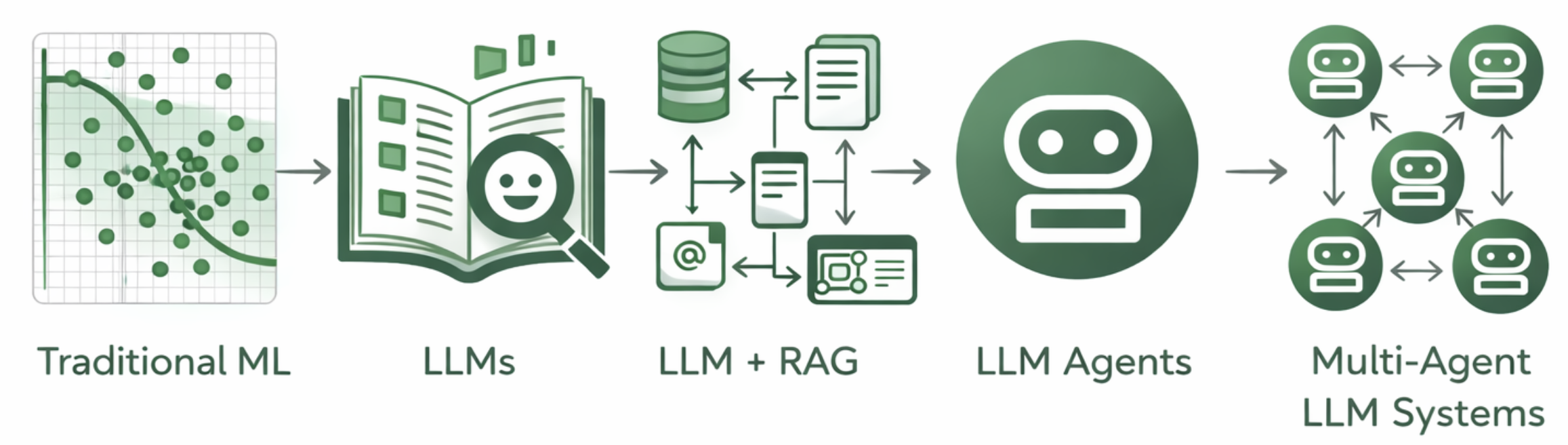
Introduction to Agents (Google)

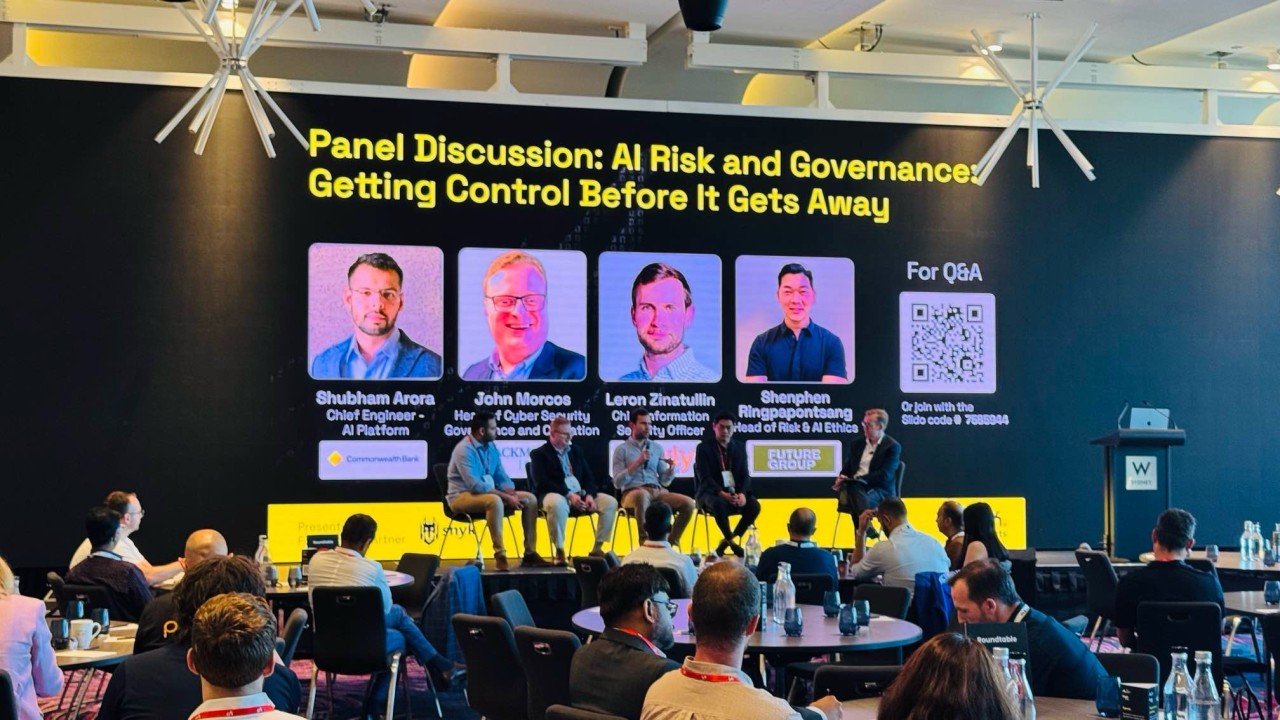
As organisations accelerate AI adoption, a familiar pattern is emerging: security teams – often the CISO – are increasingly asked to own or coordinate AI governance. That outcome is not an accident. Security leaders already operate across departmental boundaries, manage data inventories, run cross-functional programs and are trusted by executives and boards to solve hard, systemic problems. AI initiatives are inherently cross-disciplinary, data-centric and integrated into product and vendor ecosystems, so responsibility naturally flows toward teams that already do that work. This operational reality creates an opportunity: security can (and should) move from firefighting to shaping safe adoption practices that preserve value and reduce harm.

In this blog I outline key strategies on how to be successfully in leading AI governance initiatives in your organisation.

More

AI Agents and Security

We are entering the agentic era – an inflection point defined by AI systems that can reason, plan and take action autonomously. This shift may be among the most consequential technological transformations of our generation, and it carries an equally significant obligation: to ensure these systems are designed, governed and deployed in ways that earn and sustain trust.

I completed a 5-Day AI Agents Intensive Course where we dove deep in Google’s open source Agent Development Toolkit. In this blog, I’ll share key takeaways and practical suggestions so you can navigate this shift and learn to build AI agents of your own.

More

Responsible business practice in Technology

To remain competitive, modern technology businesses should take steps to implement responsible business practices that customers, employees and partners expect.

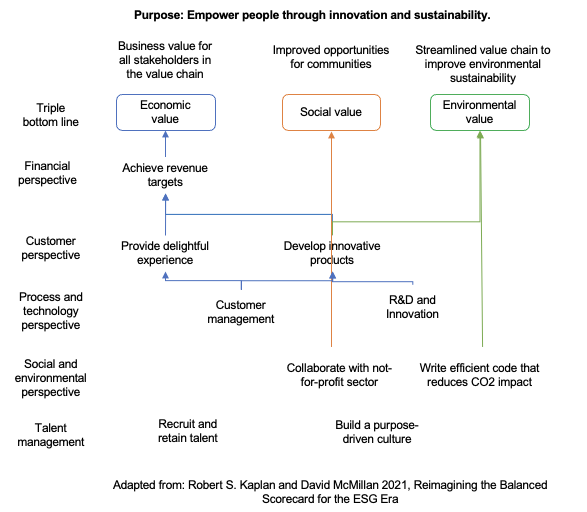
Customers want to purchase products that protect the environment and improve local communities. A useful tool to pursue inclusive growth is a sustainability balanced scorecard.

Below is an example sustainability strategy map I developed for a technology startup.

Sustainability strategy map

For a technology business, environmental impact can be achieved through close examination and streamlining of company’s supply chain, including datacentres and cloud infrastructure providers. Companies could also analyse their software development lifecycles to make it more sustainable.

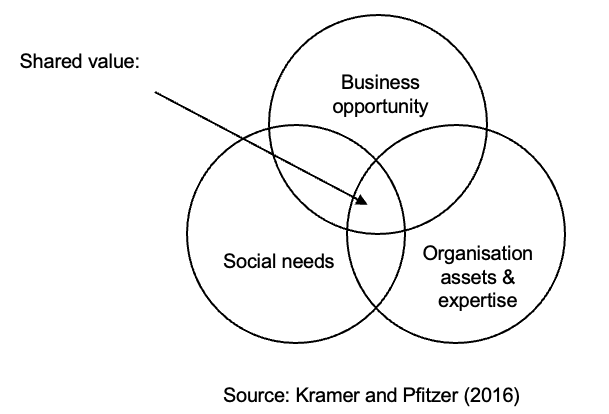
Achieving financial objectives can produce societal benefits through creating shared value.

Creating shared value

Finally, implementing responsible business practices aligns with UN Sustainable Development Goals (SDGs), specifically SDG9: Industry, Innovation and Infrastructure and SDG17: Partnerships for the Goals.

How will technology transform future business?

In what ways are you personally using technology to advance your business sector?

I am an information security specialist: Technology is at the very core of my business sector with innovation as its driving force. I help companies manage their constantly changing IT risks. I enable organisations to do business securely while protecting their assets from cyber threats.

It is important to bring innovative technology products and services that are secure enough to use in today’s interconnected world.

In what ways are you personally using technology to create positive social change?

I am promoting an information security culture regardless of a person’s age or occupation.
Just as people know how to protect themselves, their belongings and information in the real world, they must know how to do the same in the virtual world.

I’m teaching people to extrapolate their secure practices from the physical world into cyberspace to ensure that everyone can live free of fear that they or their children might be the prey of a cyber criminal.

How do you envision your work impacting the world over the next ten years?

I envision a future where my bathroom scale sends my weight to the doctor, my refrigerator tells the store when I’m low on milk, my car notifies my house when I’m away so that it saves energy, etc. My life is interconnected and doesn’t put me at risk of a break-in or identity theft.

In promoting a security culture and technology innovation, I see a community that lives comfortably and does business to its fullest capacity, knowing that they are secure.