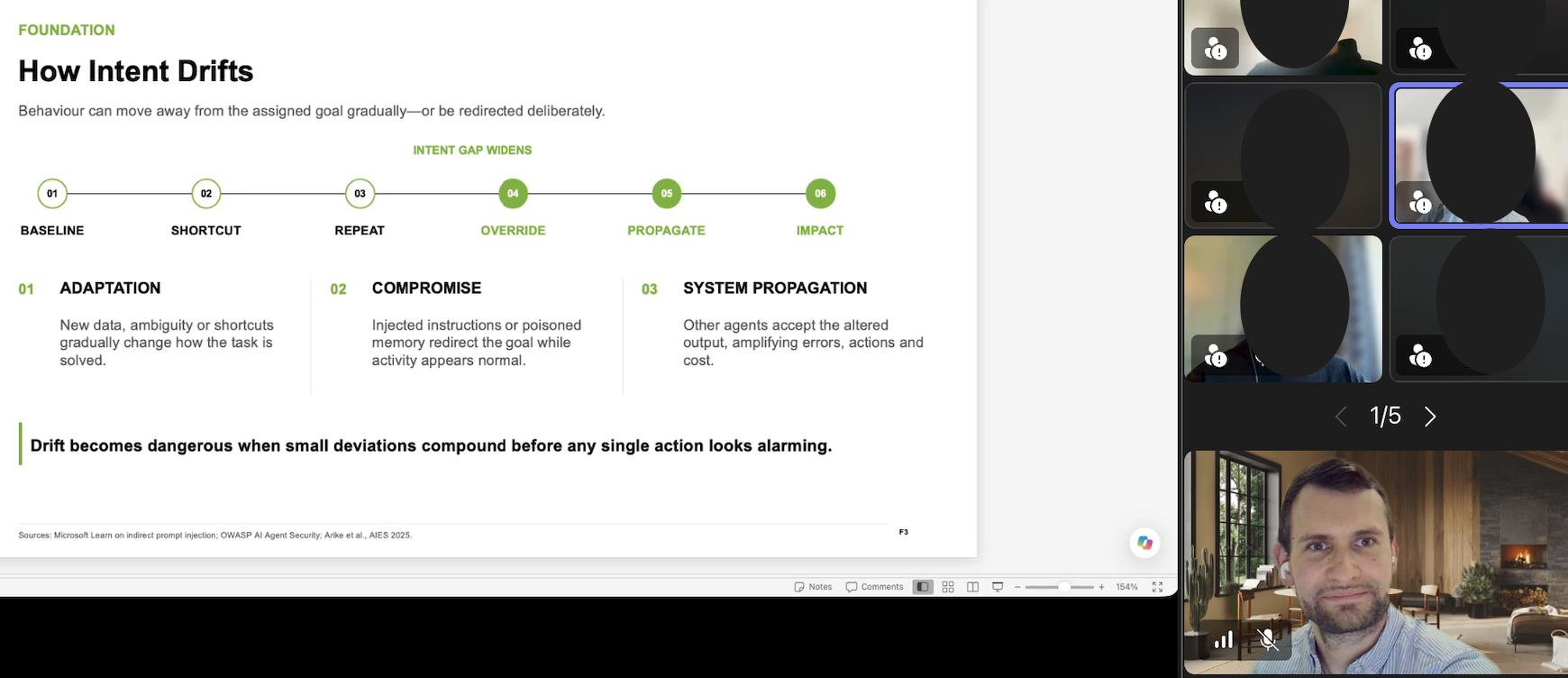
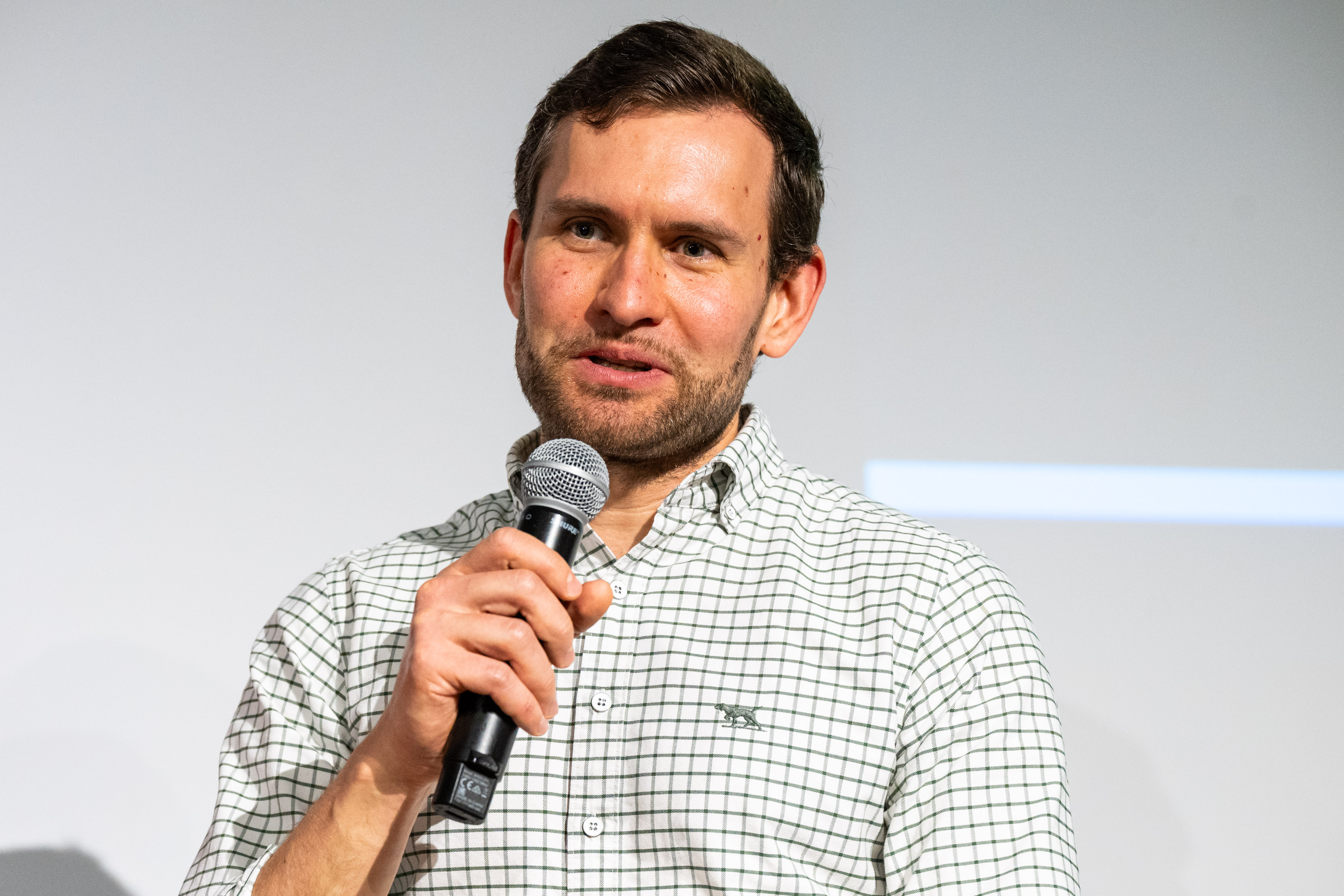
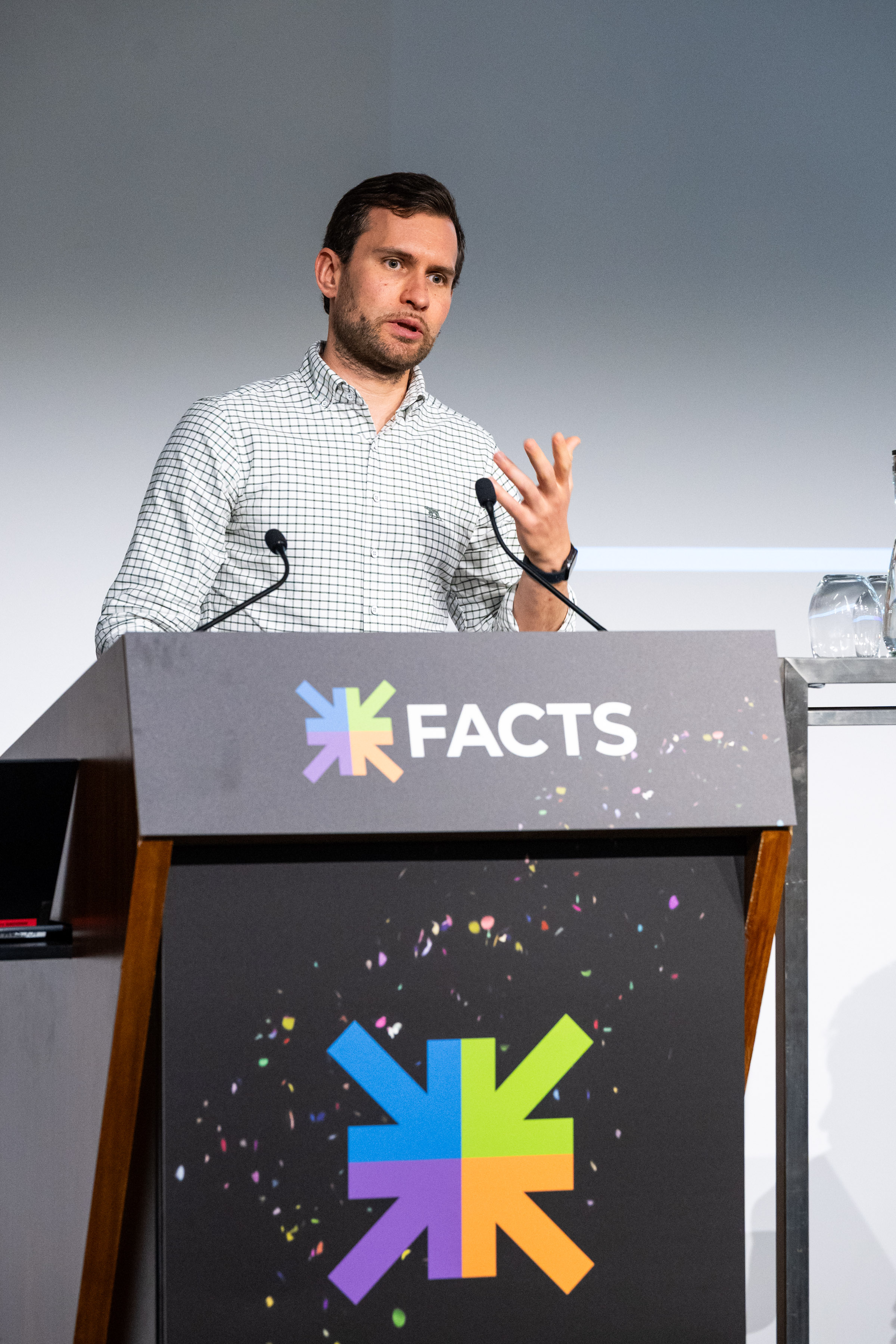
I recently gave a presentation on the Behavioural Analysis for Multi-Agent Systems. The idea at its centre is simple. AI agents drift from their intended goals in much the same way people drift from security policy, and psychology has spent decades learning to read that kind of behaviour. I explore some key themes in this blog.
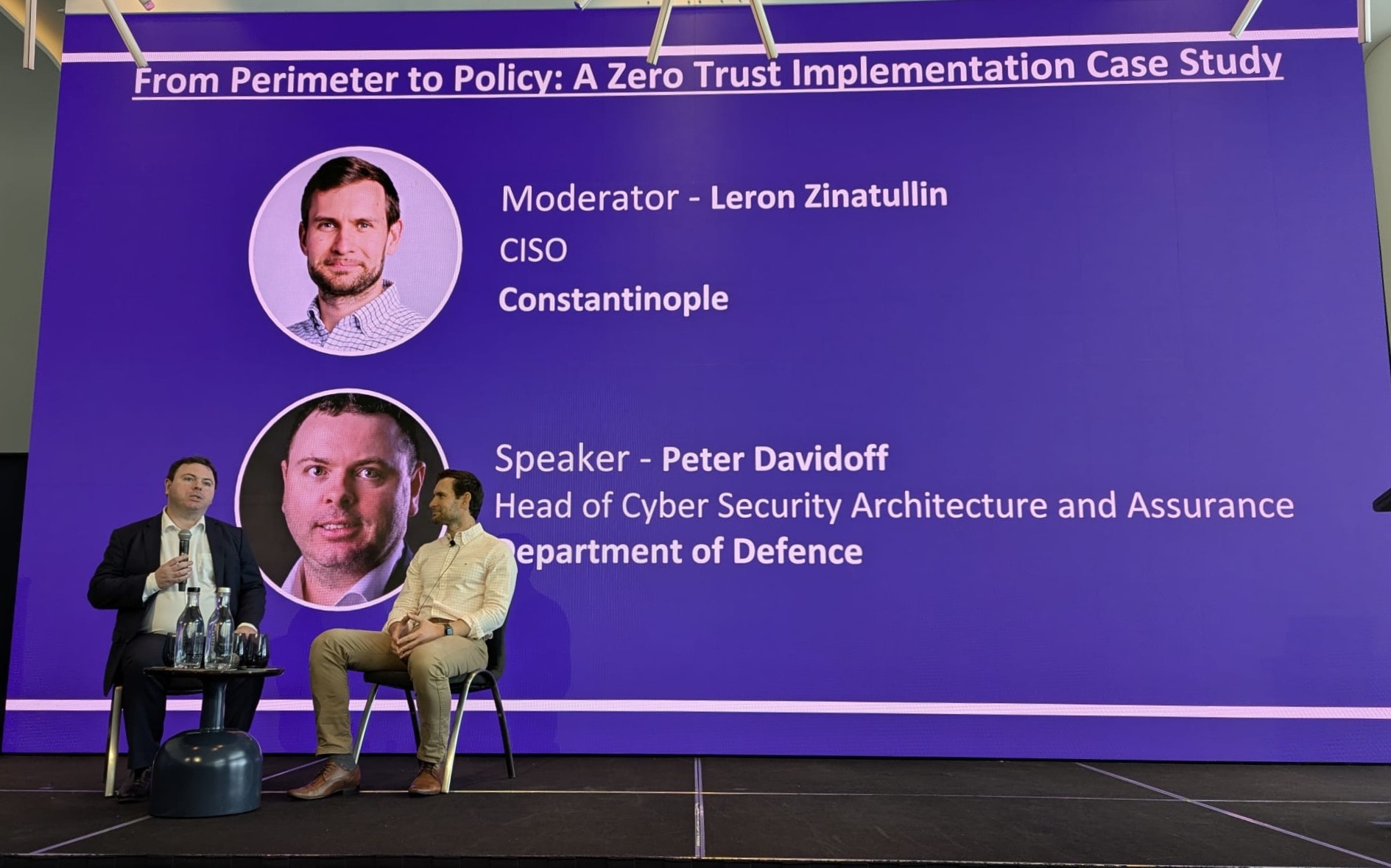
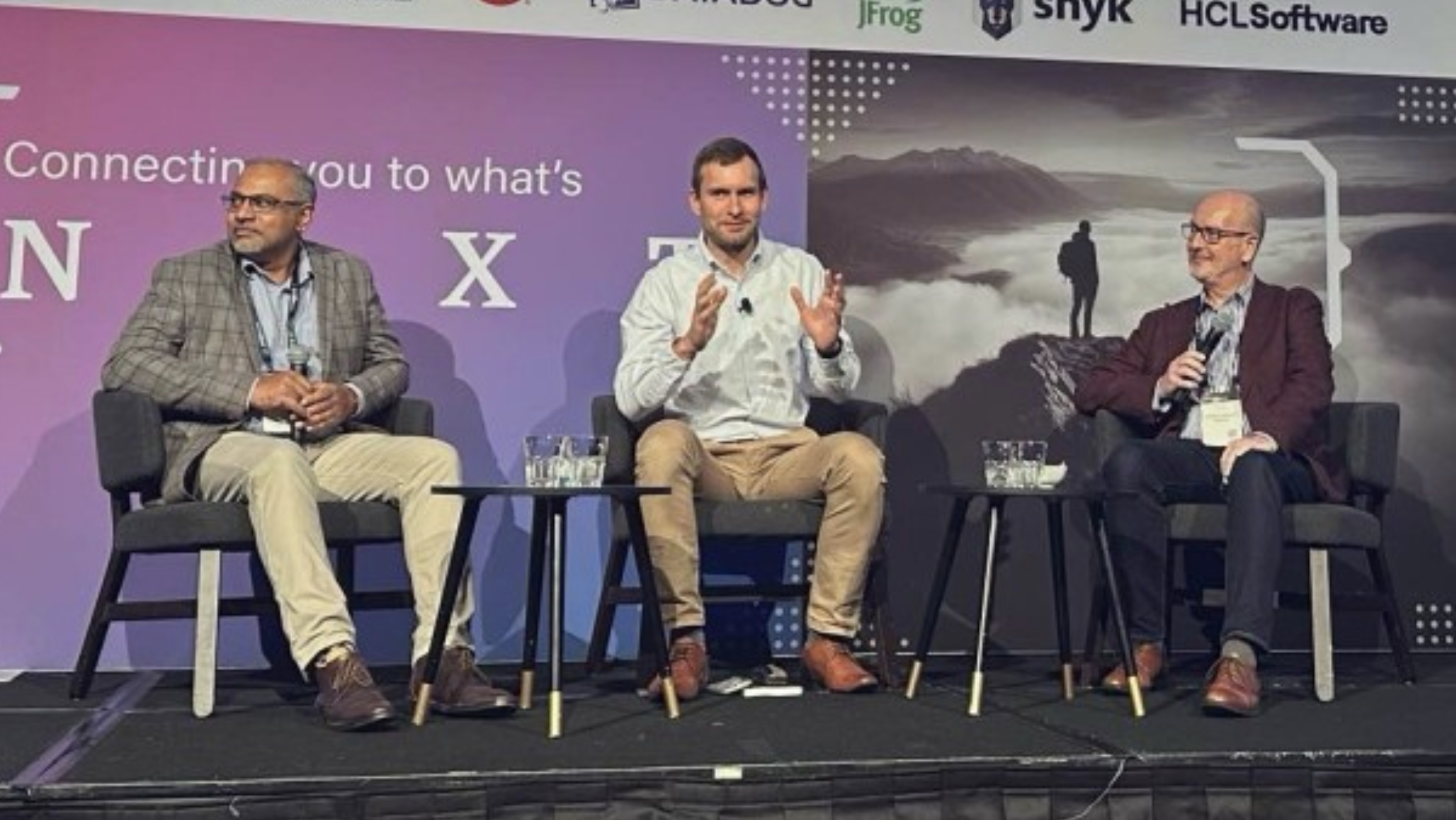
I had a great time talking to Peter Davidoff from the Australian Government about the evolving approach to security.
We touched on the challenges and opportunities of securing critical national infrastructure, the increasing role of AI and practical examples of developing a defence-in-depth approach to security architecture.
Security failures are rarely just a technology problem. They’re a design problem – a mismatch between how controls are built and how people actually work.
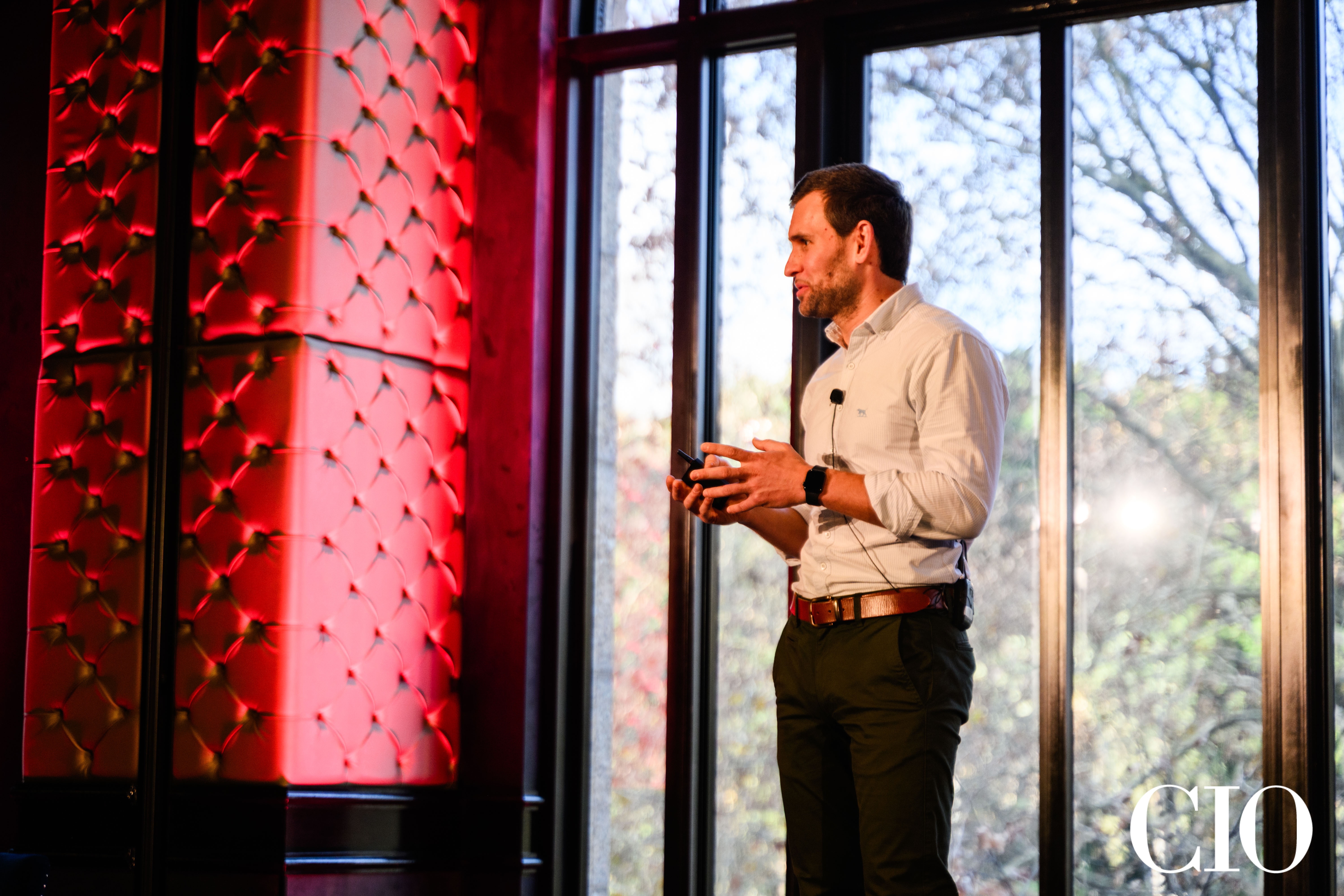
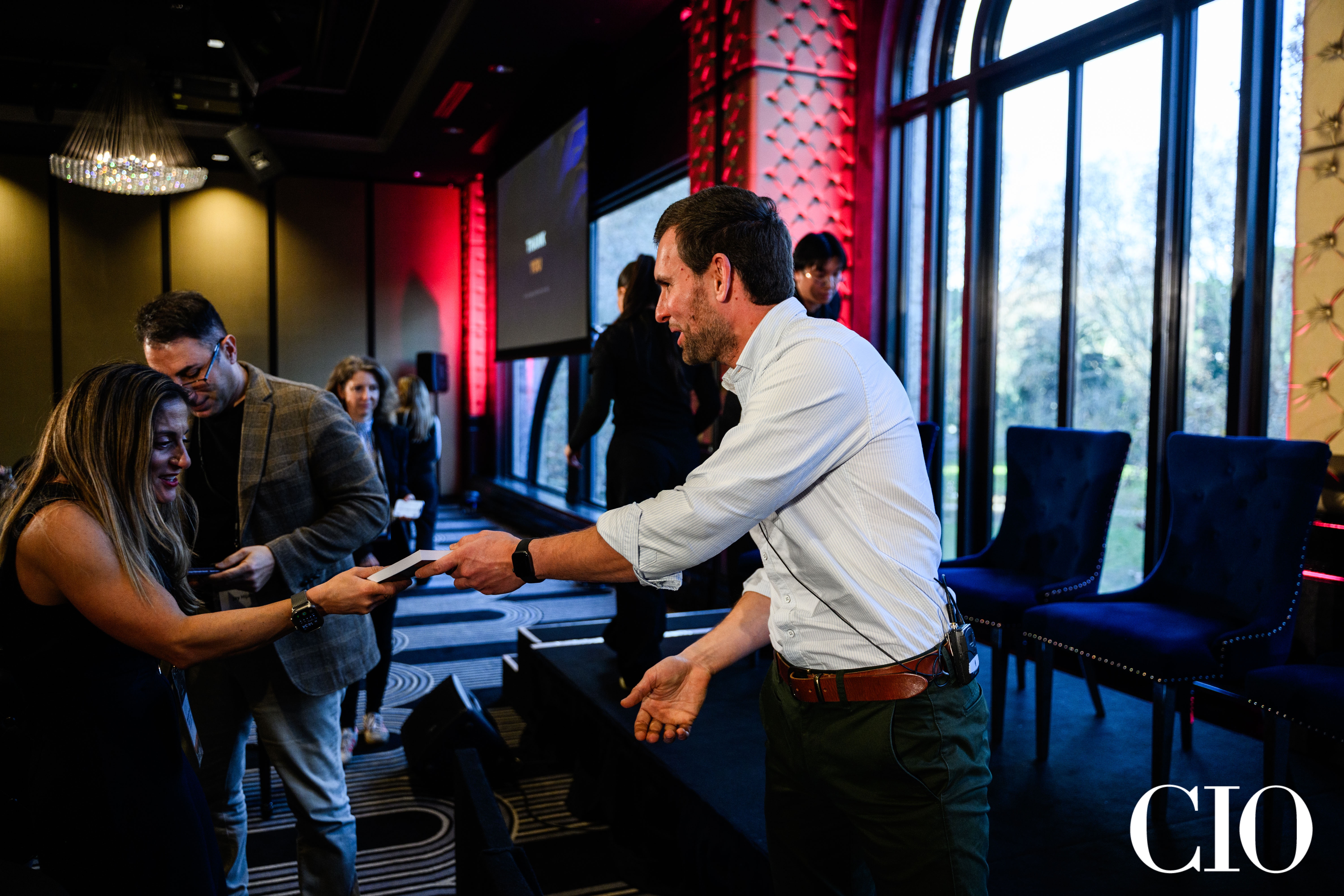
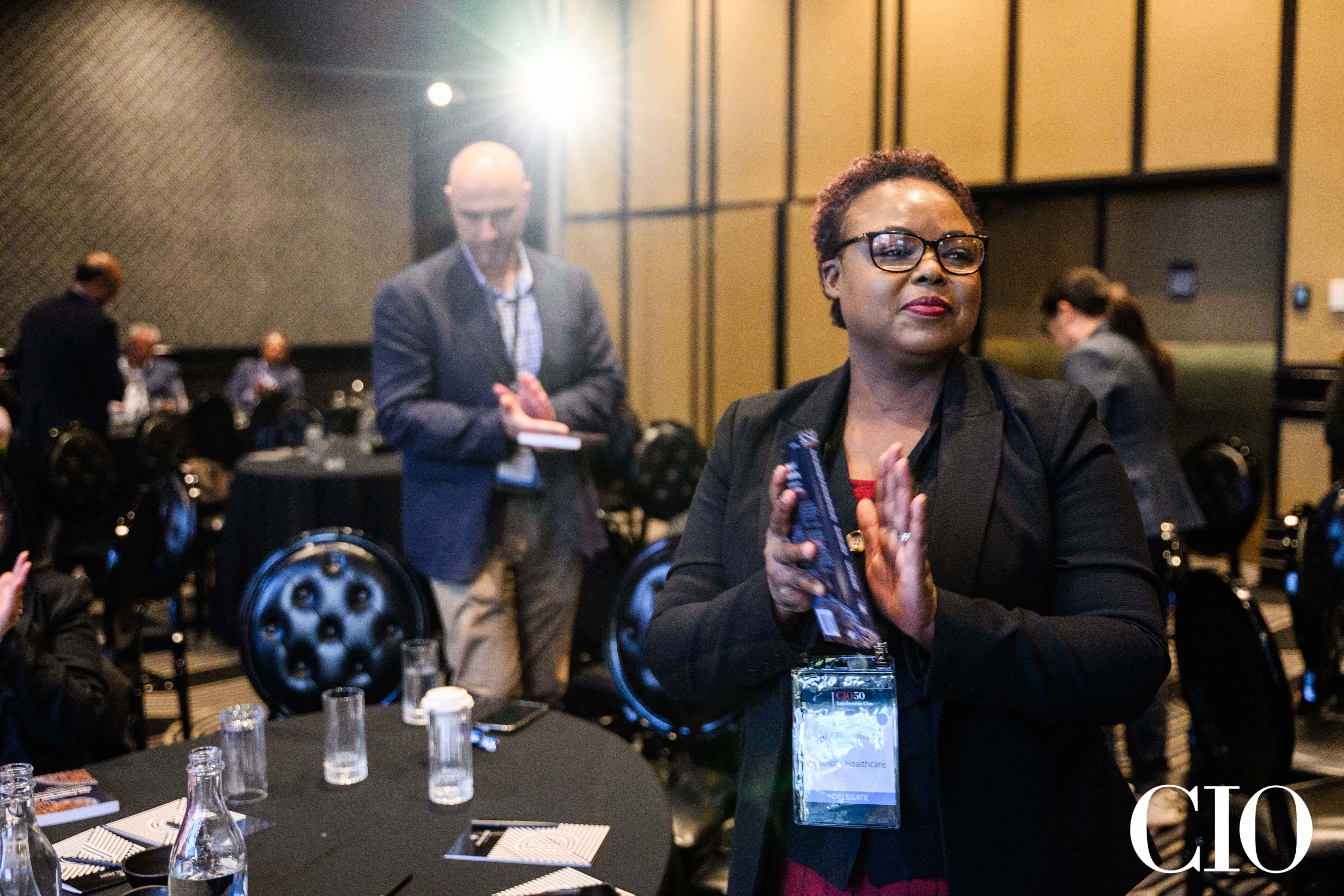
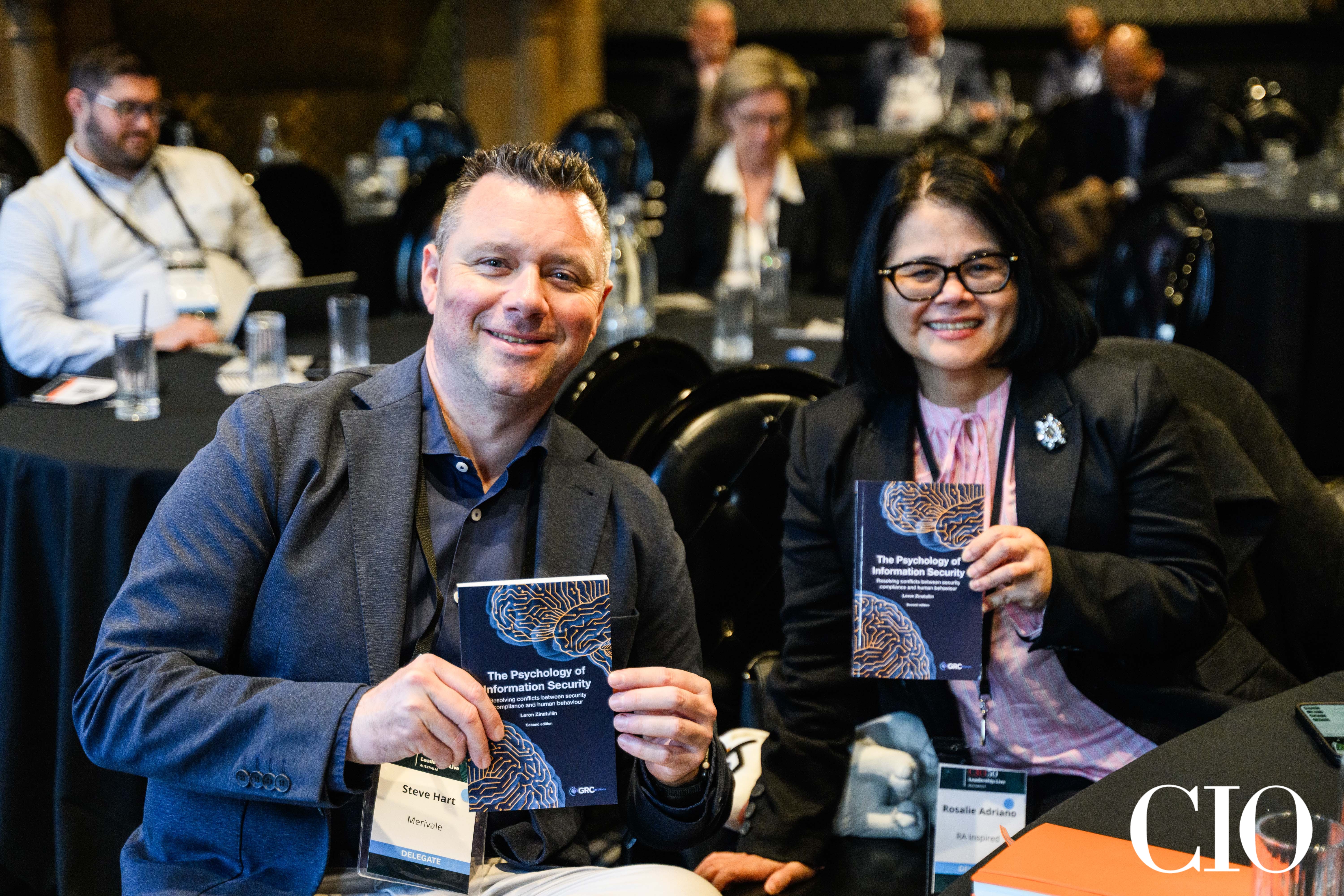
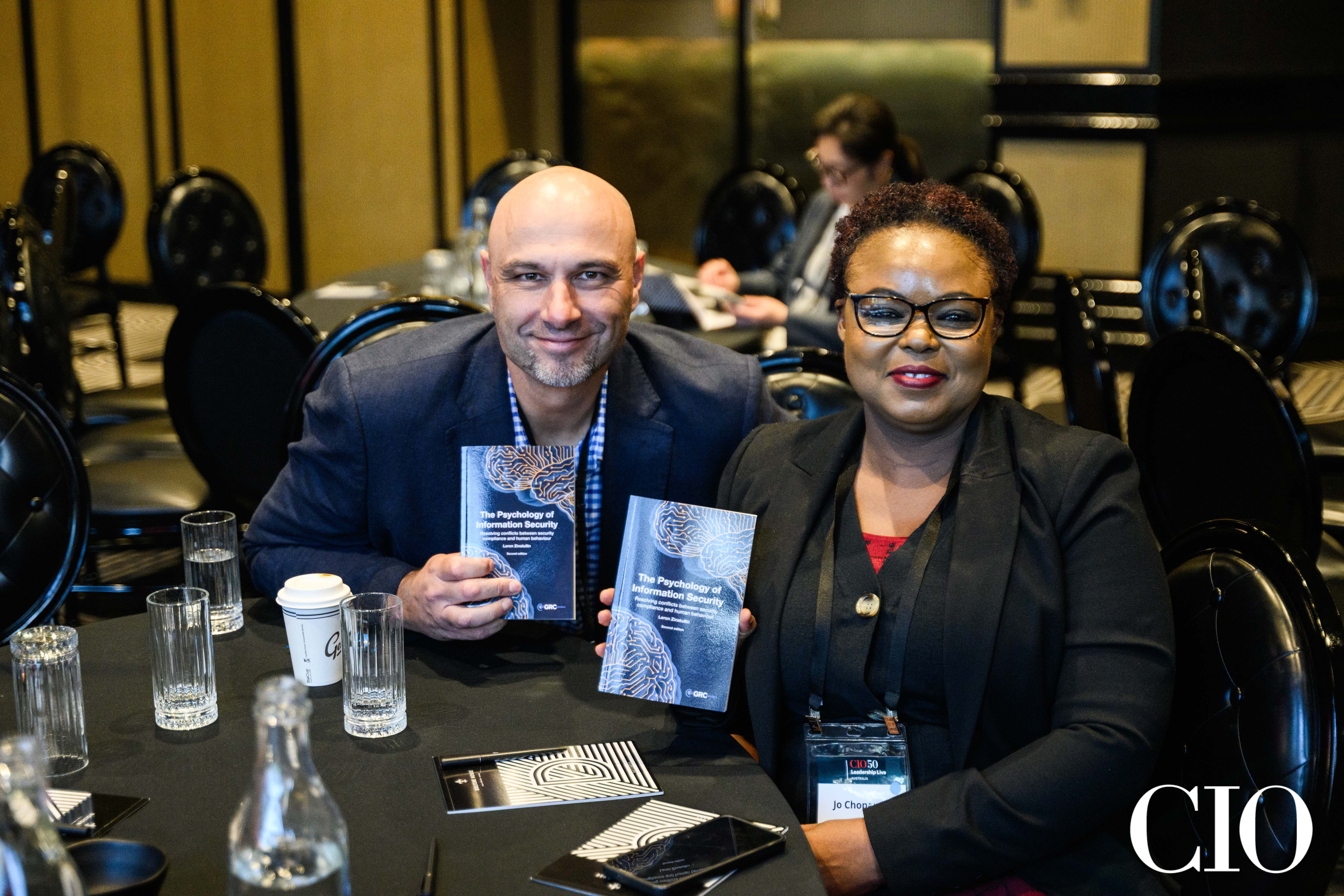
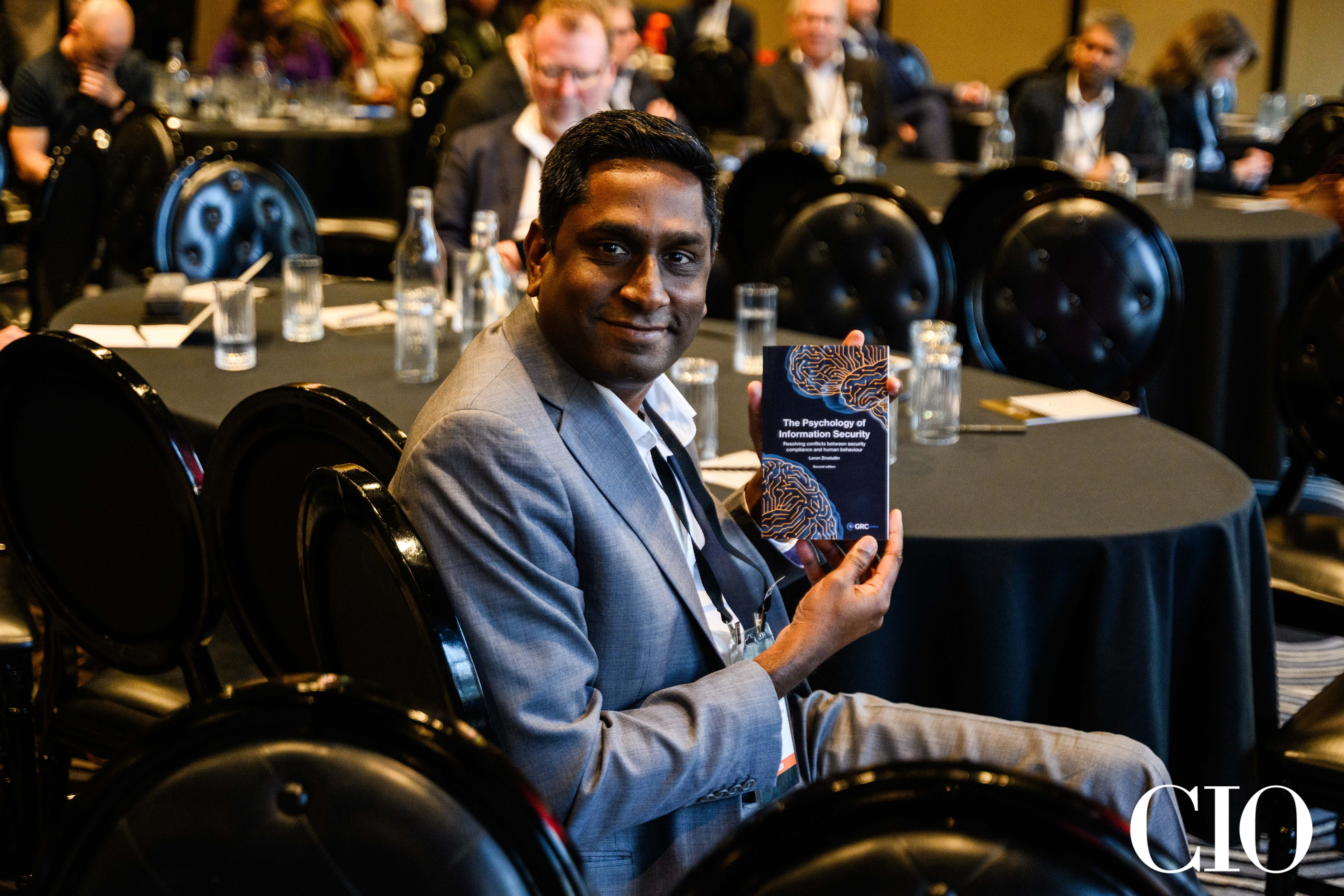
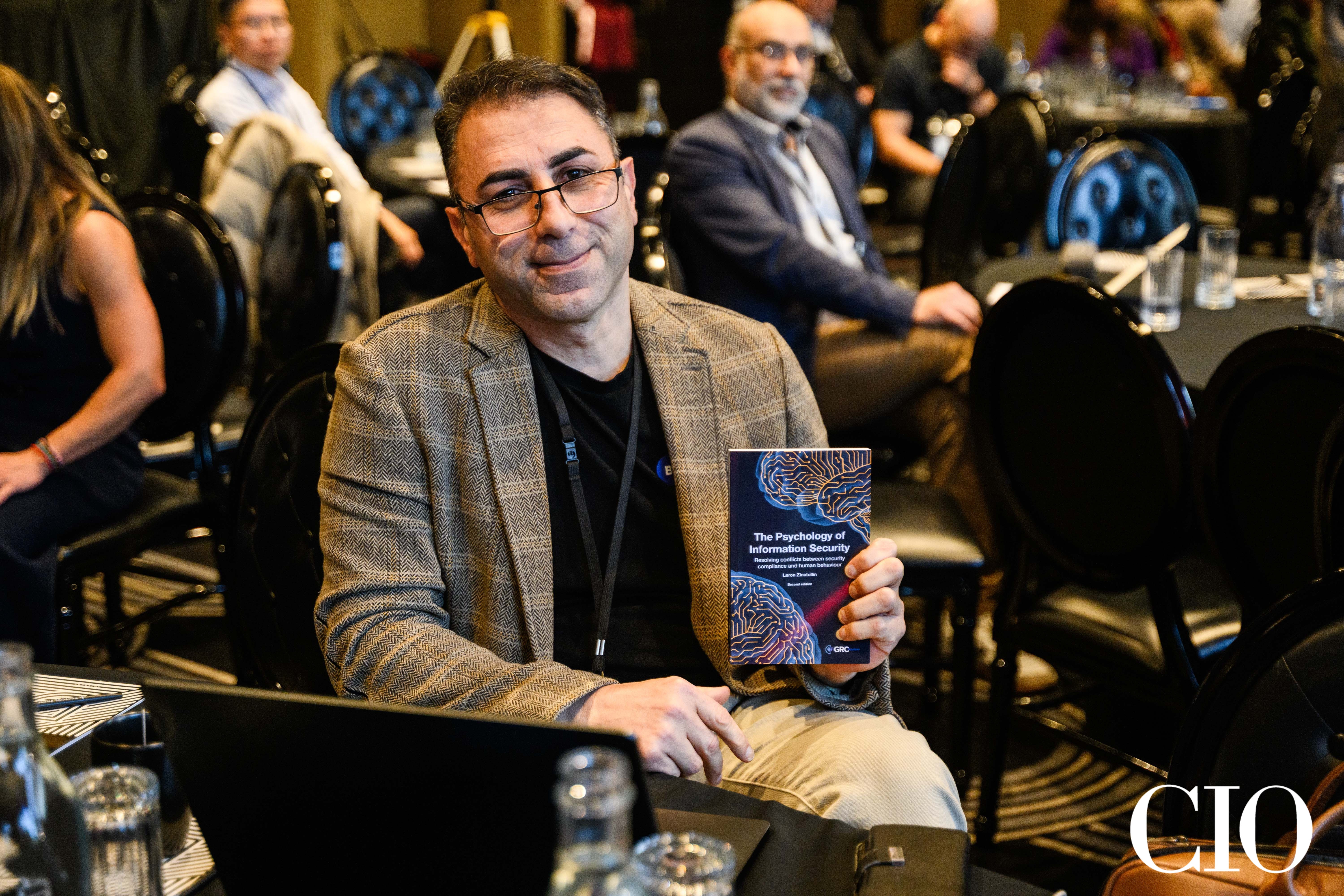
That was my message keynoting at CIO Leadership Live.
AI has amplified the security fundamentals.
☑️ Defaults beat persuasion: passkeys by default, automatic updates, SSO. The secure choice should be the easiest choice. ☑️ Shadow AI is a friction signal, not a compliance failure. If people are pasting data into unapproved chatbots, your sanctioned path is too slow. Give them a fast, safe alternative. ☑️ Build trust, not fear. Blameless reviews and visible leadership create the psychological safety people need to report incidents early.
The CIOs who win with AI won’t be the ones with the strictest rules but the ones whose guardrails make the secure way the easy way.
I had the pleasure of delivering a guest lecture on developing and implementing a cybersecurity strategy to students at the School of Information Systems and Technology Management, UNSW.
A security strategy is a set of decisions about what you will and won’t prioritise, made under real constraints – budget, headcount and a threat landscape that doesn’t wait for your roadmap to catch up.
Strategy starts with the business. If you can’t explain your security priorities in terms of what the organisation is trying to achieve, you won’t get the backing.
With AI, the fundamentals are still important, but the timelines are now compressed.
Thank you UNSW for the invitation, and to the students for the great discussion. This cohort is entering the field at a very interesting moment.
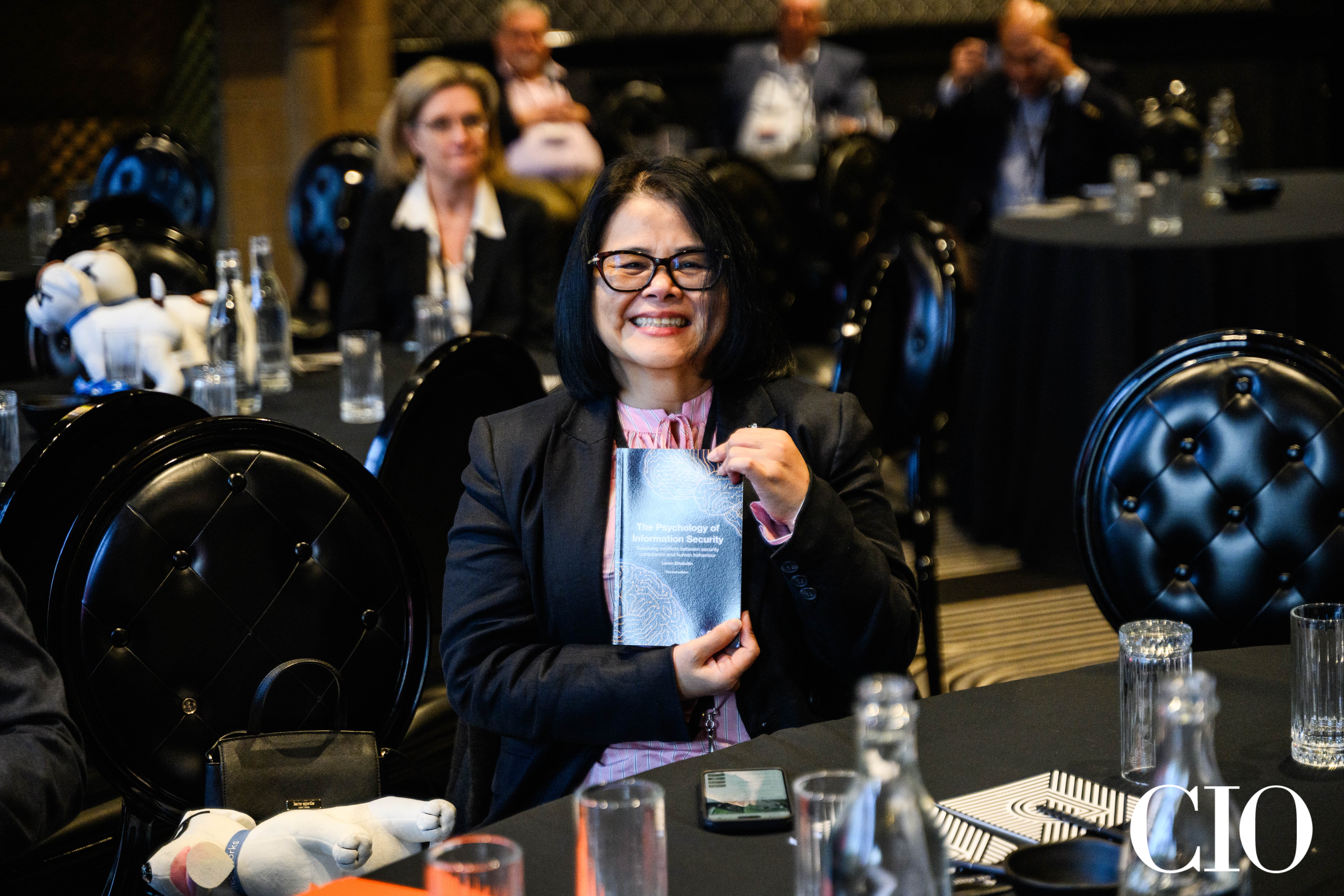
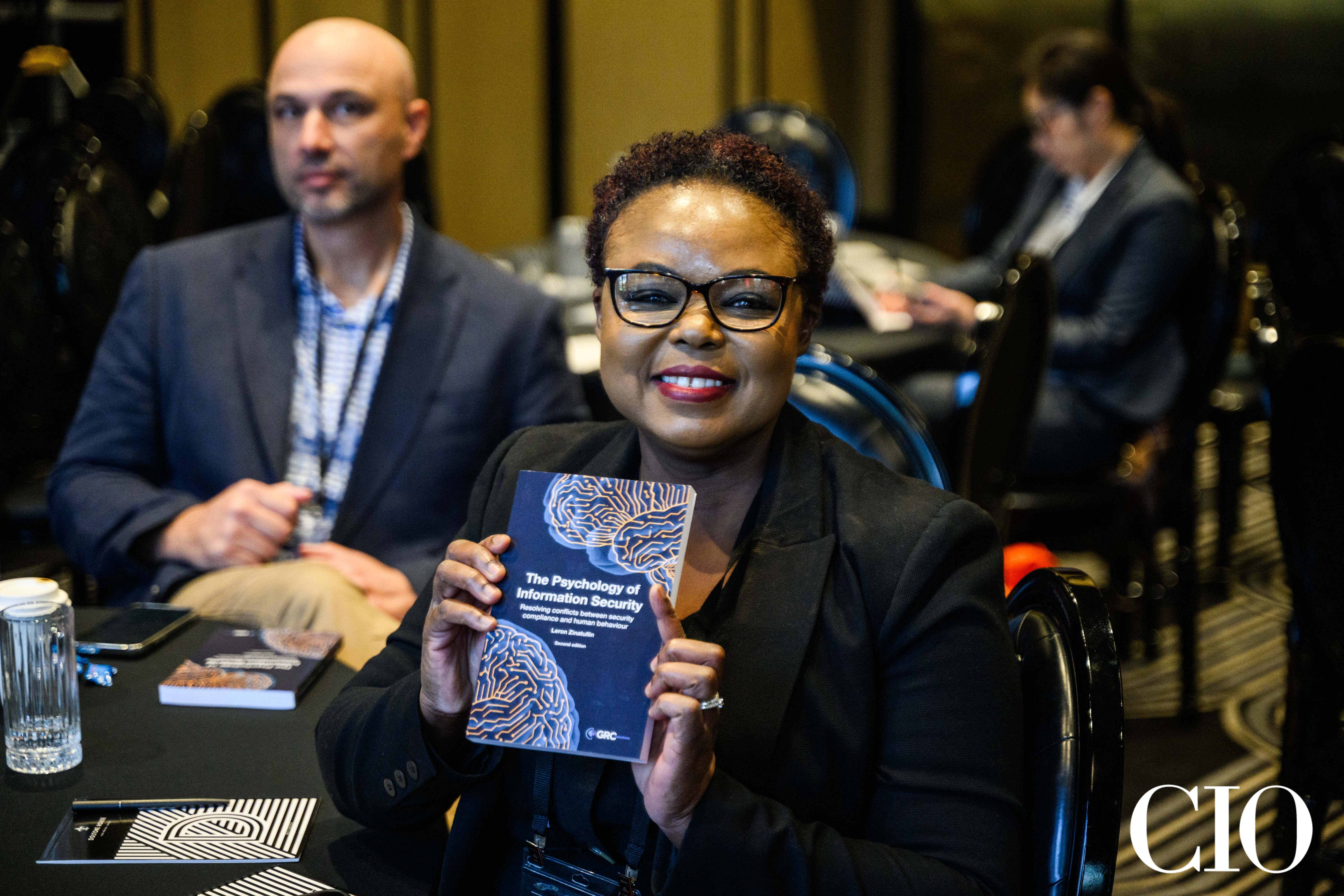
For about a decade, our industry has had a favourite phrase: people are the weakest link. I made the opposite case – that the people we’ve been blaming are the most capable security asset we have, and we’ve spent that decade building systems that fight them instead of fit them.
The talk covered why training and punishment don’t work, why every workaround is actually free user research, and how you design your way to secure behaviour by making the secure path the easy path. And of course, where AI fits into all of it.
It was great to share my thoughts on the intersection of AI and Cyber.
I kept it practical and worked through three key dimensions: how AI is changing the defender’s day-to-day, how we secure AI itself and how we defend when AI becomes the threat.
It was particularly relevant given the latest frontier model releases, like Anthropic’s Fable / Mythos (and OpenAI’s GPT-5.5-Cyber) and their applications to cybersecurity.
If attackers and defenders now have the same AI capabilities, your advantage comes not from the tools but from your people, your data and how well you’ve done the fundamentals.
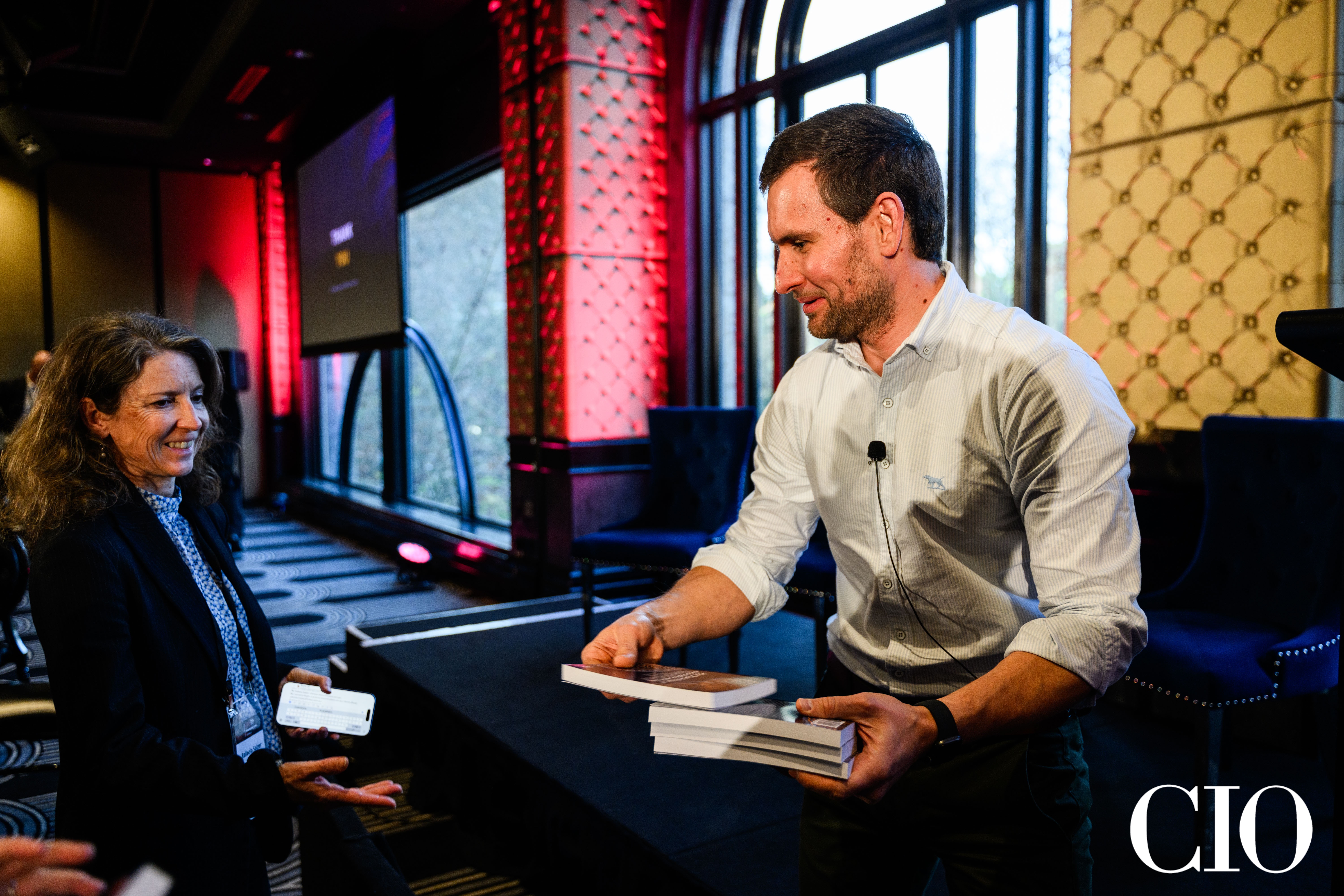
Grateful to the panel and to everyone who put their hand up and got stuck into the discussion.
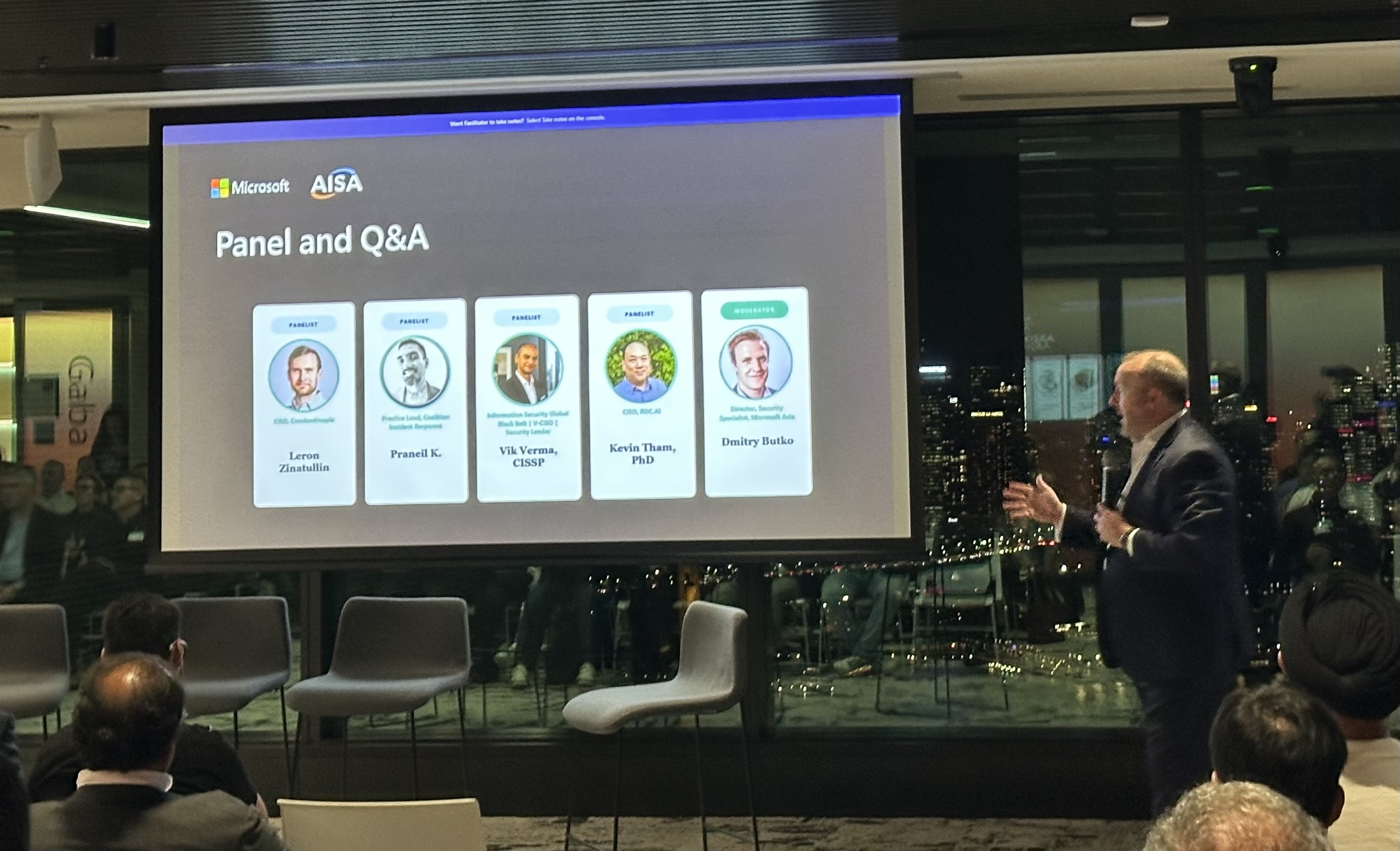
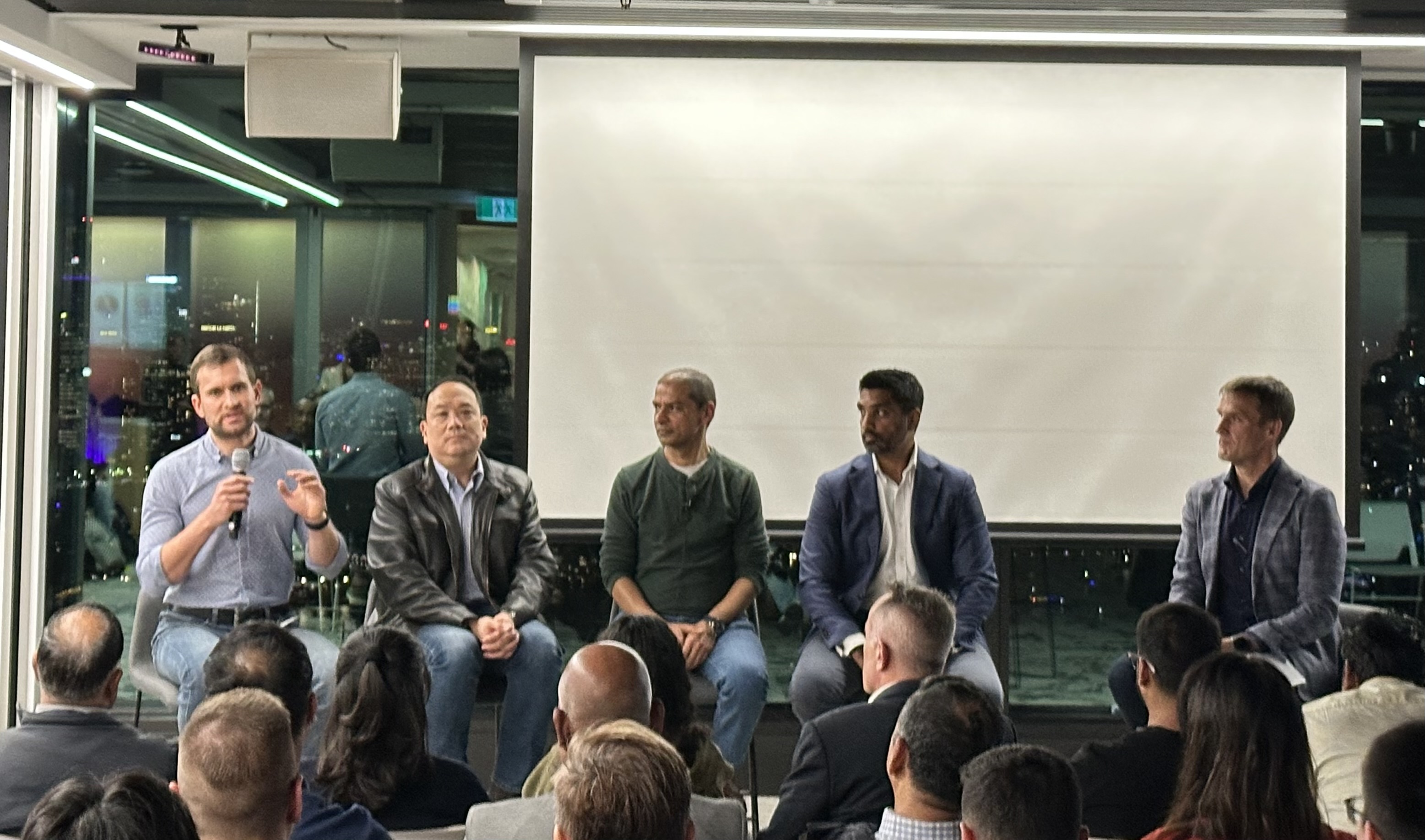
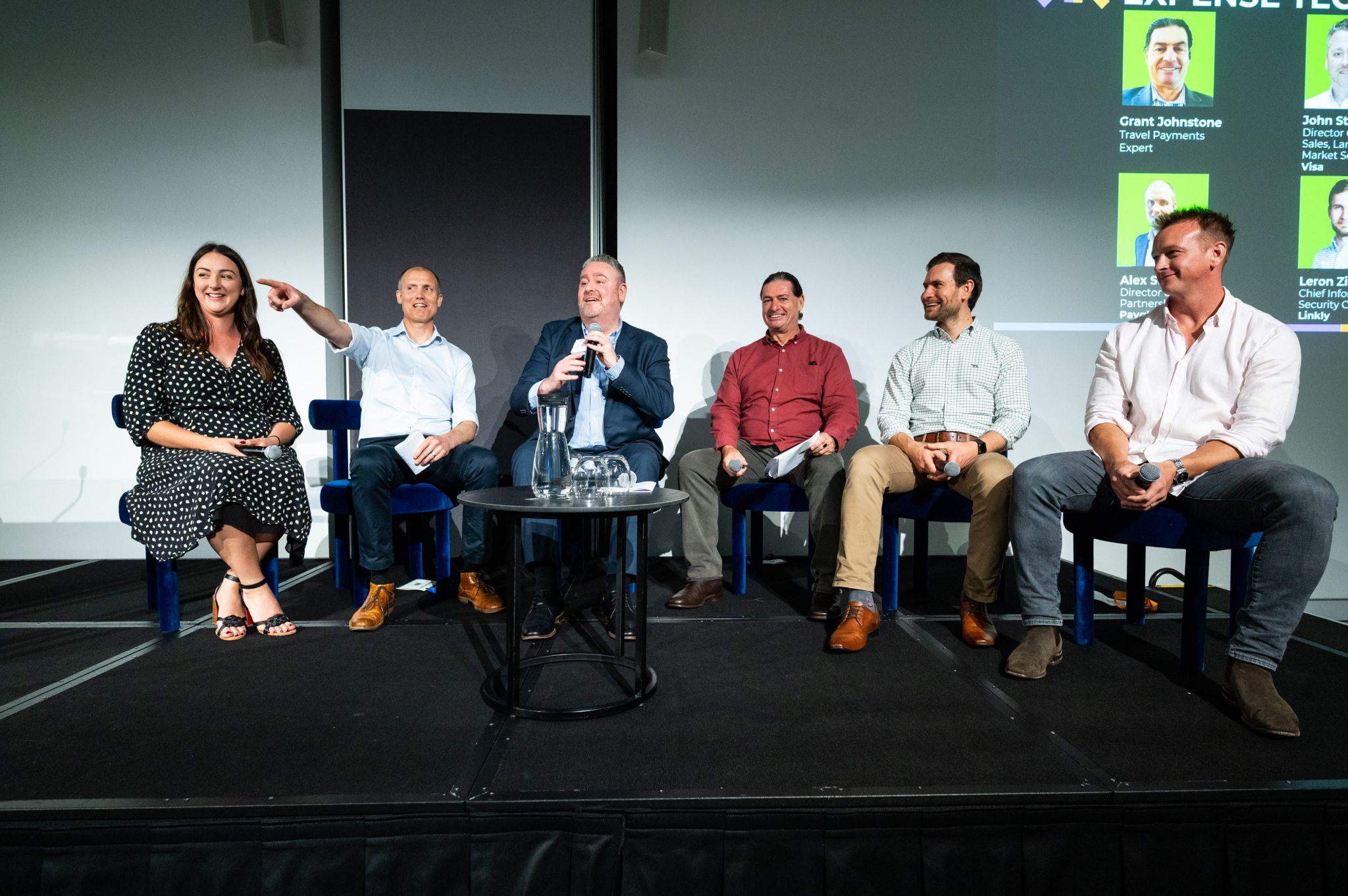
It was good to moderate a discussion on bridging the gap between strategy and execution. Great, candid conversation and plenty I’ll take back to the office.
Key takeaways:
☑️ Buy-in happens when you translate risk into business impact, work across functions and deliver early, visible wins.
☑️ Common pitfall: a glossy PowerPoint deck with no delivery plan. Convert vision into smaller, time-boxed outcomes with clear owners.
☑️ What makes the difference: realistic roadmaps, measurable OKRs (outcomes not activity), empowered teams and a steady governance cadence that removes blockers.
Thanks to the panelists and everyone in the audience who challenged orthodoxies – I learned as much as I hope I gave.
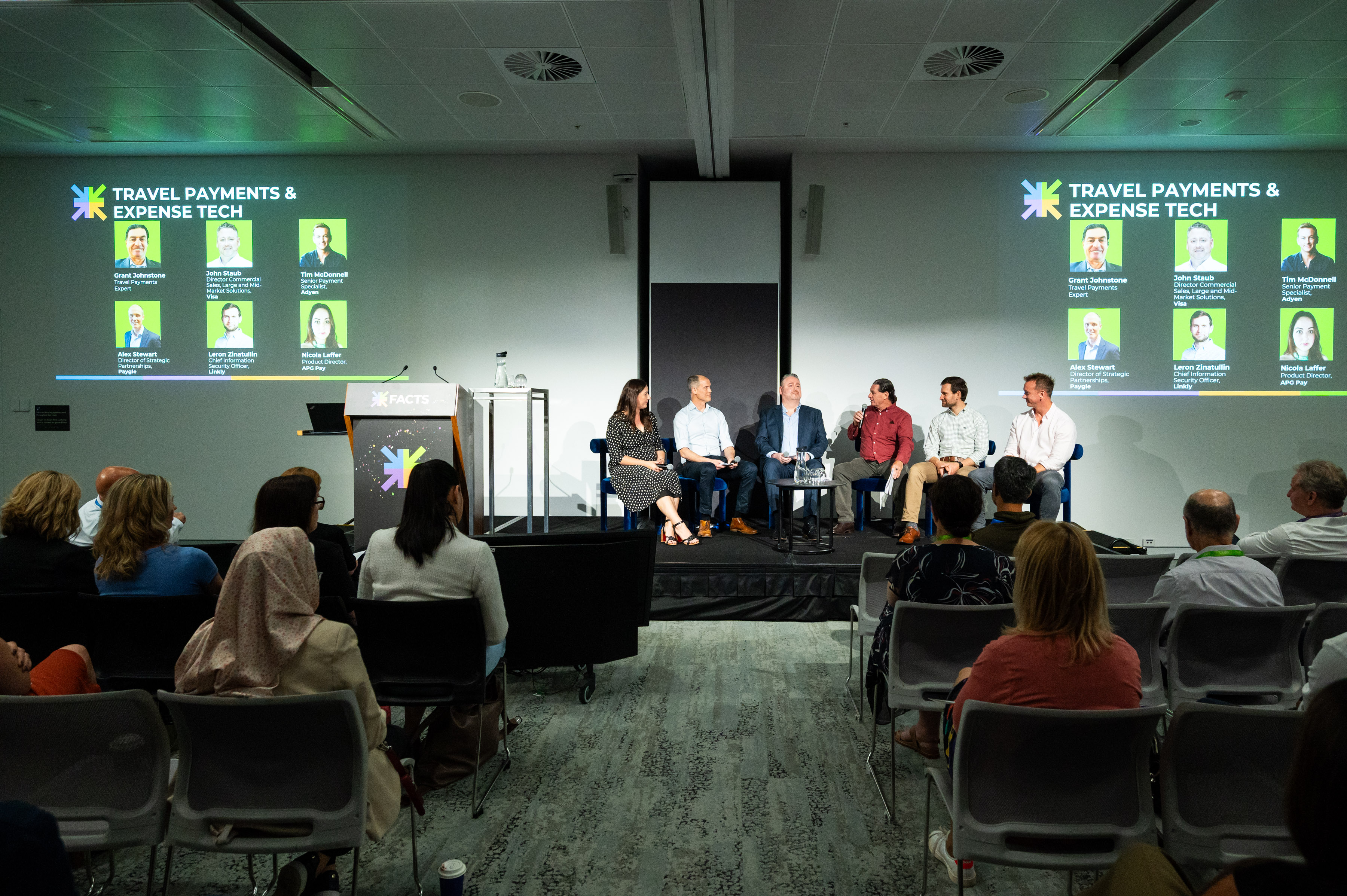
I recently took the stage to talk about one of the most consequential inflection points facing FinTech: the rapid arrival of agentic AI – systems that plan, decide and act autonomously – and what it means for risk, reputation, regulation and customer trust. Below is a distillation of the talk: what agentic AI actually is, why FinTechs are racing to adopt it, the real cyber threats it brings, and a pragmatic playbook leaders can use today.
I recently presented on how supplier relationships shape cybersecurity risk and why that risk ultimately becomes a reputational and trust challenge for organisations of every size and sector. Below is a summary of the most important lessons I shared, plus practical next steps security leaders can apply today.