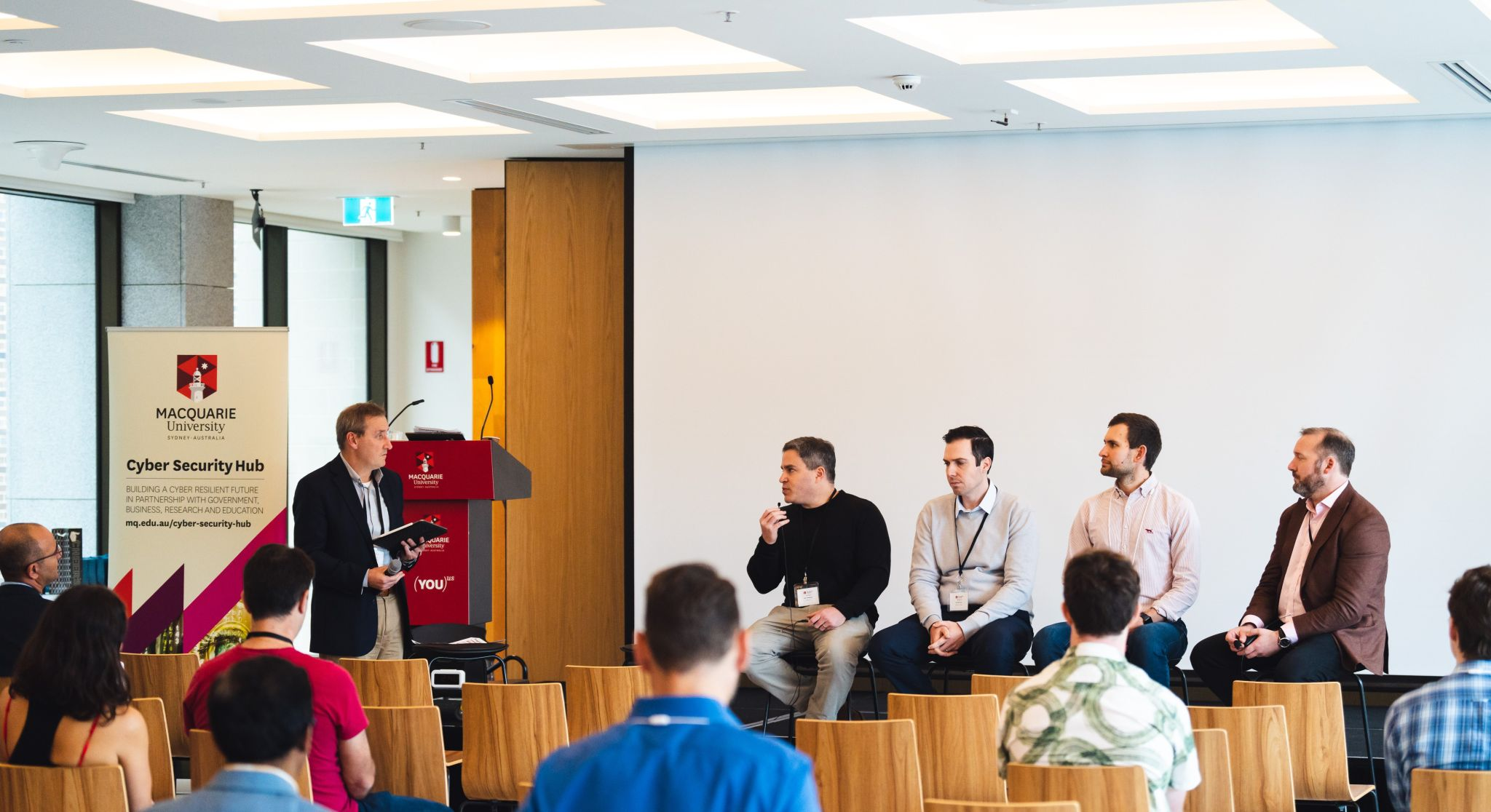
I’ve been invited to to share my thoughts on human-centric security at the Macquarie University Cyber Security Industry Workshop.
Drawing on insights from The Psychology of Information Security and my experience in the field, I outlined some of the reasons for friction between security and business productivity and suggested a practical approach to a building a better security culture in organisations.
It was great to be able to contribute to the collaboration between the industry, government and academia on this topic.
As technology becomes increasingly integrated into our daily lives, the importance of cyber security cannot be overstated. Cyber attacks are becoming more sophisticated, and the costs associated with them are rising. This is why it is crucial for businesses and organisations to have a robust cyber security strategy in place.
Recently, I had the opportunity to deliver a guest lecture at the University of New South Wales as part of the Cybersecurity Management and Governance course.
I discussed the importance of having a clear understanding of cyber security threats. I emphasised that cyber threats are constantly evolving, and businesses need to stay vigilant and adapt their security measures accordingly. This means that cyber security is not a one-time fix; it requires continuous effort.
I also spoke about current challenges and opportunities in the field and what skills and ways of thinking are particularly useful. It was a fantastic experience, and I appreciated the chance to share my insights with a group of future cyber security professionals.
I am excited to be recognised as one of the top security executives who have demonstrated outstanding thought leadership and business value.
The winners of the CSO30 Award “demonstrated risk and security excellence in helping guide their organisations through the challenges of COVID19, worked to secure digital transformation initiatives, strengthen security awareness and education efforts, utilize new security technologies, engage with the wider security community to share learnings, and much more.”
It’s a team effort and I’m proud to be working with great professionals helping businesses innovate while managing risks.
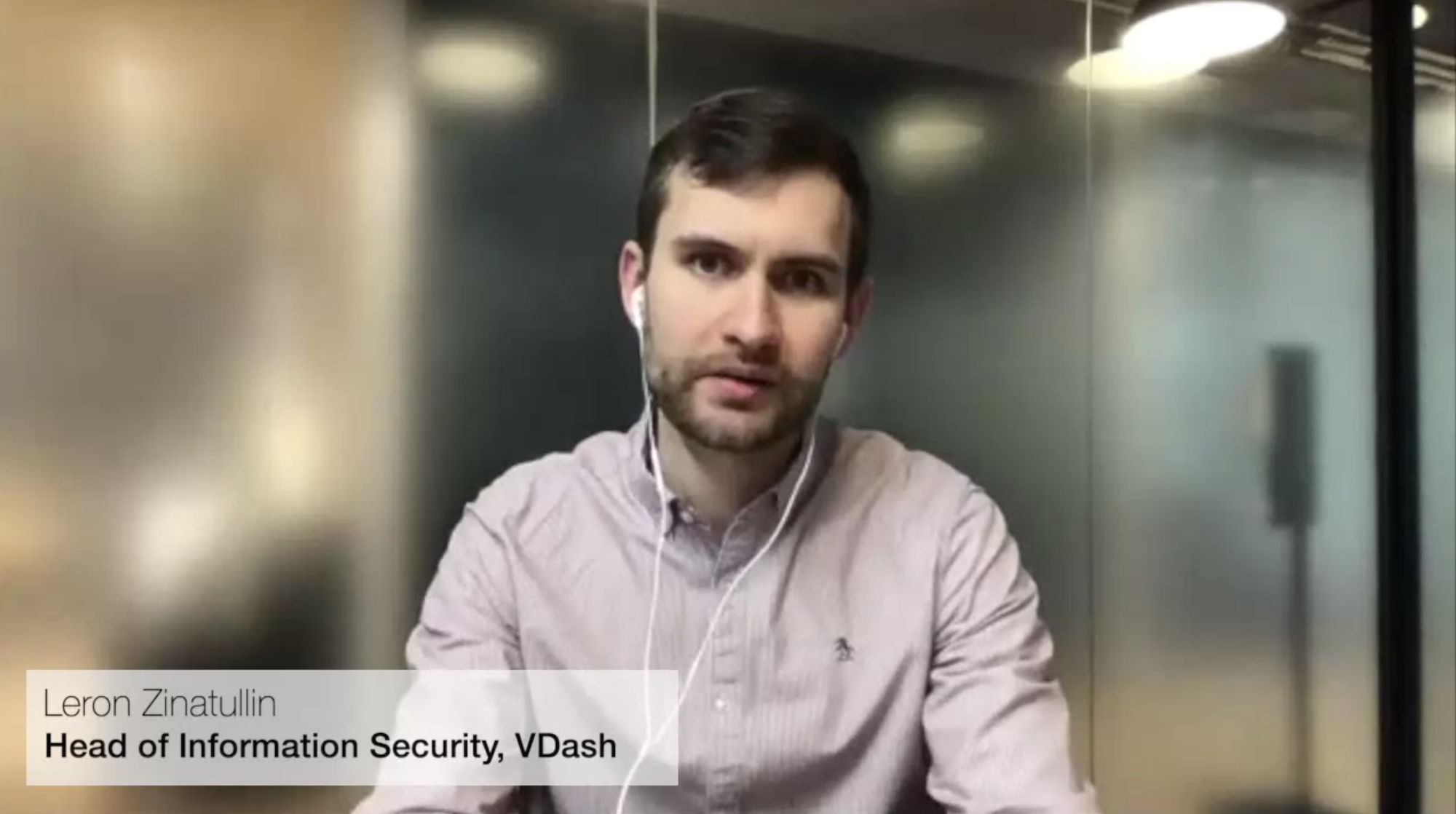
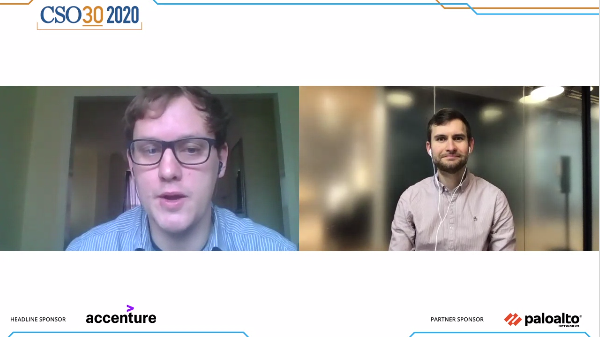
I’ve been invited to speak at the CSO30 Conference today on applying behavioural science to cyber security.
I talked about the role behavioural science plays in improving cybersecurity in organisations, the challenges of applying academic theory in practice and how to overcome them.
I shared some tips on how to build the culture of security and measure the success of your security programme.
We also spoke about the differences in approaches and scalability of your security programme depending on the size and context you organisation, including staffing and resourcing constraints.
Overall, I think we covered a lot of ground in just 30 minutes and registration is still open if you’d like to watch a recording.
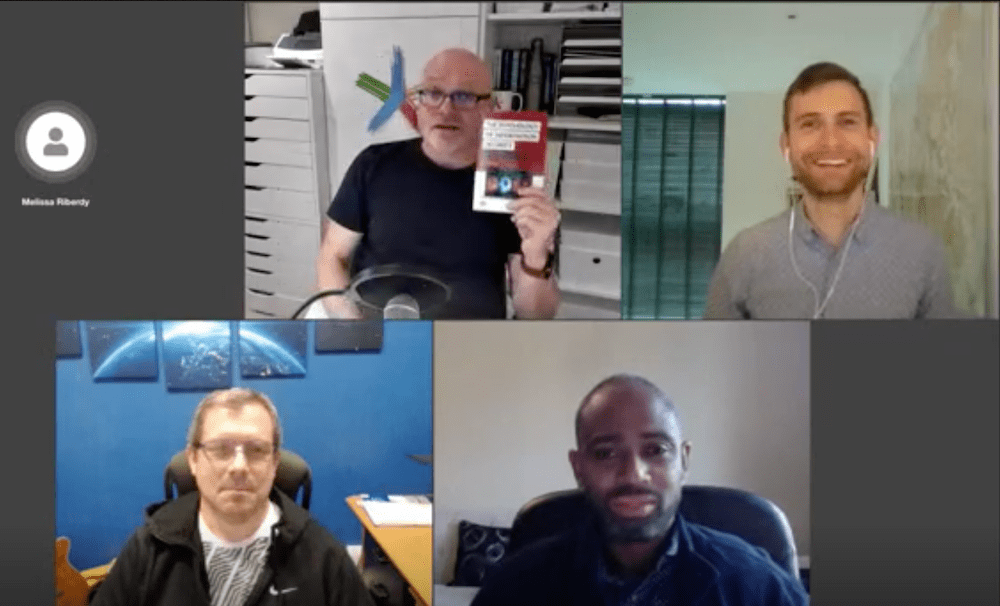
I had a lot of fun participating in a panel discussion with fellow CISOs exploring the link between cyber security and business strategy. It’s a subject that is very close to my heart and I don’t think it gets enough attention.
In the course of the debate we covered a number of topics, ranging from leveraging KPIs and metrics to aligning with the Board’s risk appetite. We didn’t always agree on everything but I believe that made the conversation more interesting.
As an added bonus, my book The Psychology of Information Security was highlighted as an example of things to consider while tackling this challenge and to improve communication.
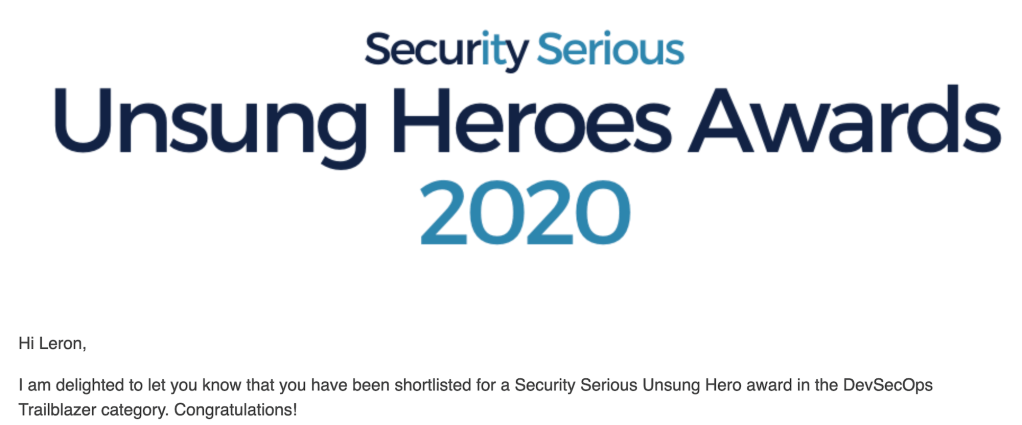
Ensuring security is embedded in the development lifecycle of software, from start to finish, is pivotal in creating a more cyber secure world. This award recognises individuals who are spearheading this initiative so that the creation of applications can continue to be dynamic, without sacrificing cybersecurity.
I’m excited to make the shortlist and wish best of luck to all the contenders!
I’m excited to make the shortlist for the Personality of the Year category. The award recognises thought leadership, commitment to developing others and raising the profile of cyber security among businesses.
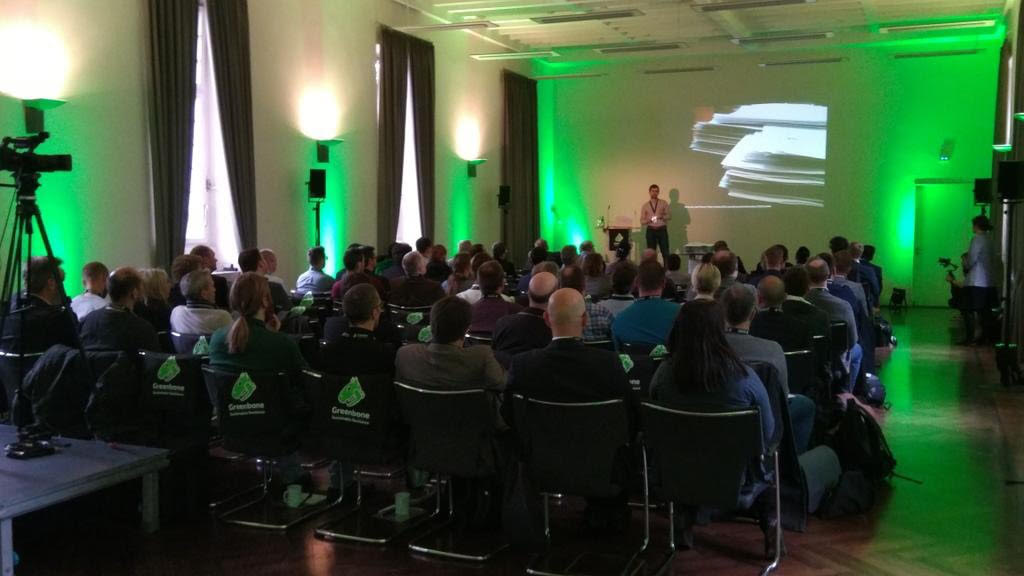
I was asked to deliver a keynote in Germany at the Security Transparent conference. Of course, I agreed. Transparency in security is one of the topics that is very close to my heart and I wish professionals in the industry not only talked about it more, but also applied it in practice.
Back in the old days, security through obscurity was one of the many defence layers security professionals were employing to protect against attackers. On the surface, it’s hard to argue with such a logic: the less the adversary knows about our systems, the less likely they are to find a vulnerability that can be exploited.
There are some disadvantages to this approach, however. For one, you now need to tightly control the access to the restricted information about the system to limit the possibility of leaking sensitive information about its design. But this also limits the scope for testing: if only a handful of people are allowed to inspect the system for security flaws, the chances of actually discovering them are greatly reduced, especially when it comes to complex systems. Cryptographers were among the first to realise this. One of Kerckhoff’s principles states that “a cryptosystem should be secure even if everything about the system, except the key, is public knowledge”.
Modern encryption algorithms are not only completely open to public, exposing them to intense scrutiny, but they have often been developed by the public, as is the case, for example, with Advanced Encryption Standard (AES). If a vendor is boasting using their own proprietary encryption algorithm, I suggest giving them a wide berth.
Cryptography aside, you can approach transparency from many different angles: the way you handle personal data, respond to a security incident or work with your partners and suppliers. All of these and many more deserve attention of the security community. We need to move away from ambiguous privacy policies and the desire to save face by not disclosing a security breach affecting our customers or downplaying its impact.
The way you communicate internally and externally while enacting these changes within an organisation matters a lot, which is why I focused on this communication element while presenting at Security Transparent 2019. I also talked about friction between security and productivity and the need for better alignment between security and the business.
I shared some stories from behavioural economics, criminology and social psychology to demonstrate that challenges we are facing in information security are not always unique – we can often look at other seemingly unrelated fields to borrow and adjust what works for them. Applying lessons learned from other disciplines when it comes to transparency and understanding people is essential when designing security that works, especially if your aim is to move beyond compliance and be an enabler to the business.
Remember, people are employed to do a particular job: unless you’re hired as an information security specialist, your job is not to be an expert in security. In fact, badly designed and implemented security controls can prevent you from doing your job effectively by reducing your productivity.
After all, even Kerckhoff recognised the importance of context and fatigue that security can place on people. One of his lesser known principles states that “given the circumstances in which it is to be used, the system must be easy to use and should not be stressful to use or require its users to know and comply with a long list of rules”. He was a wise man indeed.
I’ve spend last week in Vienna at the annual intergovernmental conference focused on protecting critical energy infrastructure.
The first two days were dedicated to the issues of security and diplomacy.
A number of panel discussions, talks and workshops covered the following topics:
Implementing the EU strategy for safe, open and secure cyberspace
Cyber-threats to critical energy infrastructure
Operational resilience
Reducing the risks of conflicts stemming from the use of cyber-capabilities
Cyber-diplomacy: developing capacity and trust between states
For the rest of the conference we moved from the Diplomatic Academy of Vienna to Tech Gate, a science and technology park and home to a number of local cyber startups.
We’ve discussed trends in technology and cyber security, participated in Cyber Range simulation tutorial and a scenario-based exercise on policy development to address the growing cyber-threat to the energy sector.
AIT Austrian Institute of Technology together with WKO Austrian Economic Chambers, ASW Austrian Defence and Security Industry, and the Austrian Cyber Security Cluster hosted a technology exhibition of latest solutions and products as well as R&D projects.
Participants had an opportunity to see state-of-the-art of next generation solutions and meet key experts in the field of cyber security for protecting critical infrastructures to fight against cyber-crime and terrorism.
Talks continued throughout the week with topics covering:
Securing the energy economy: oil, gas, electricity and nuclear
Emerging and future threats to digitalised energy systems
Cyber security standards in critical energy infrastructure
Public sector, industry and research cooperation in cyber security
Securing critical energy infrastructures by understanding global energy markets
The last day focused on innovation and securing the emerging technologies. The CIO of City of Vienna delivered an insightful presentation about on cities and security implications of digitalisation. A closing panel discussed projected trends and emerging areas of technology, approaches and methods for verifying and securing new technologies and the future of the cyber threat.