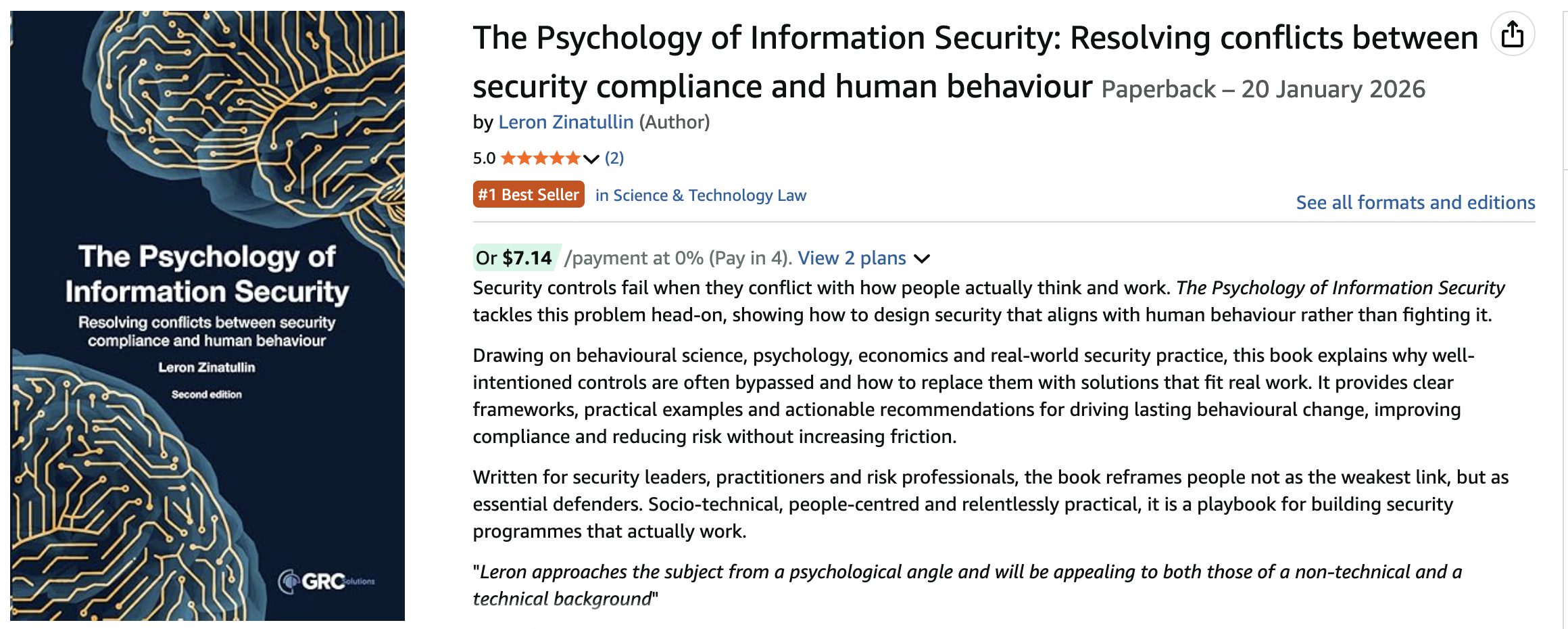
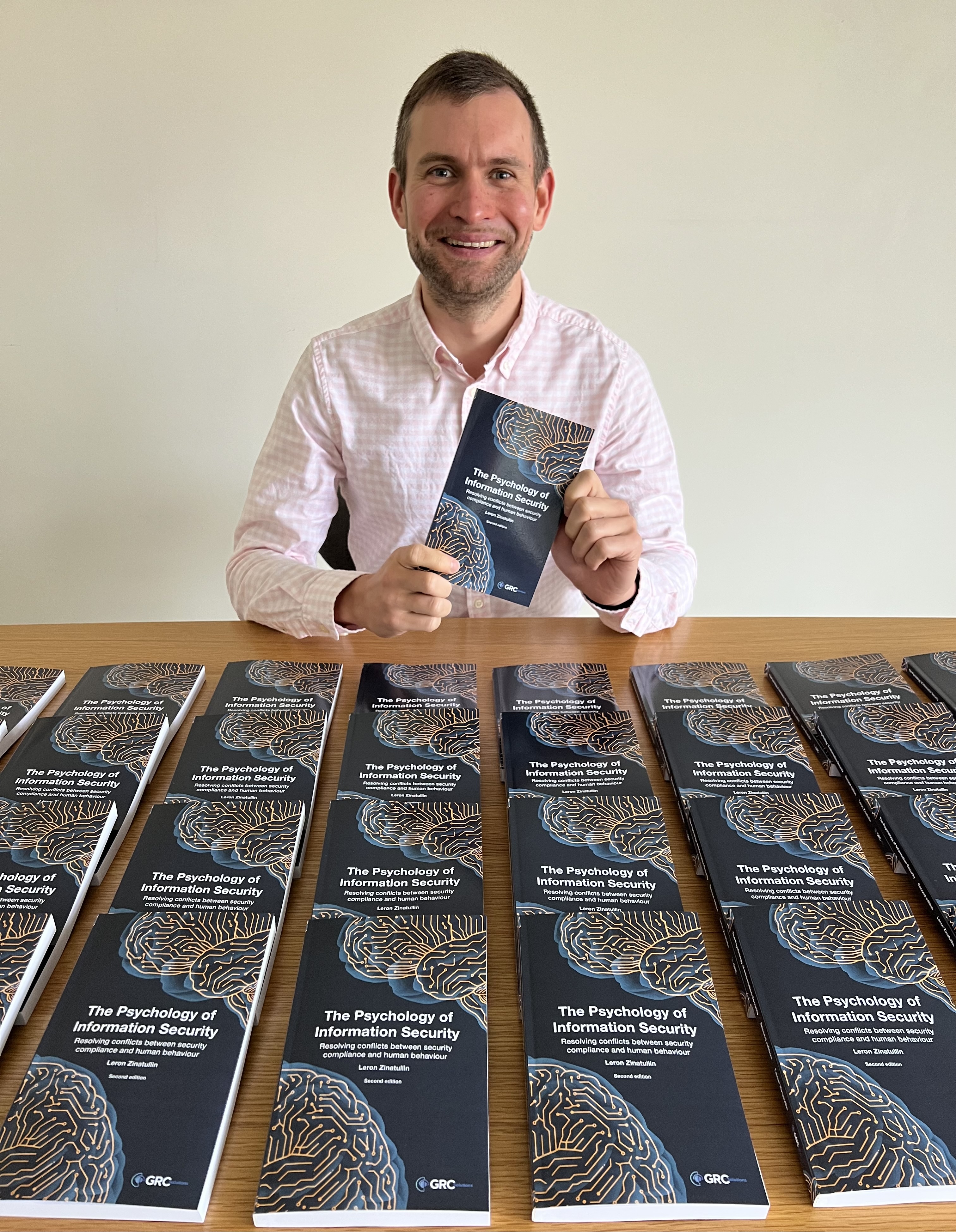
Excited that my book just hit #1 on Amazon’s bestseller list. Thank you to everyone who read, recommended, reviewed and supported this project – I couldn’t have done it without you. If you’ve read it, I’d love to hear what resonated most.
If you haven’t read it – it’s currently on offer in some Amazon stores, so get your 23% discount while you can!
And yes – it’s technically #1 in the very specific category, which is slightly amusing… I suspect it’s a hit with late-night cyber security enthusiasts rather than beach readers!
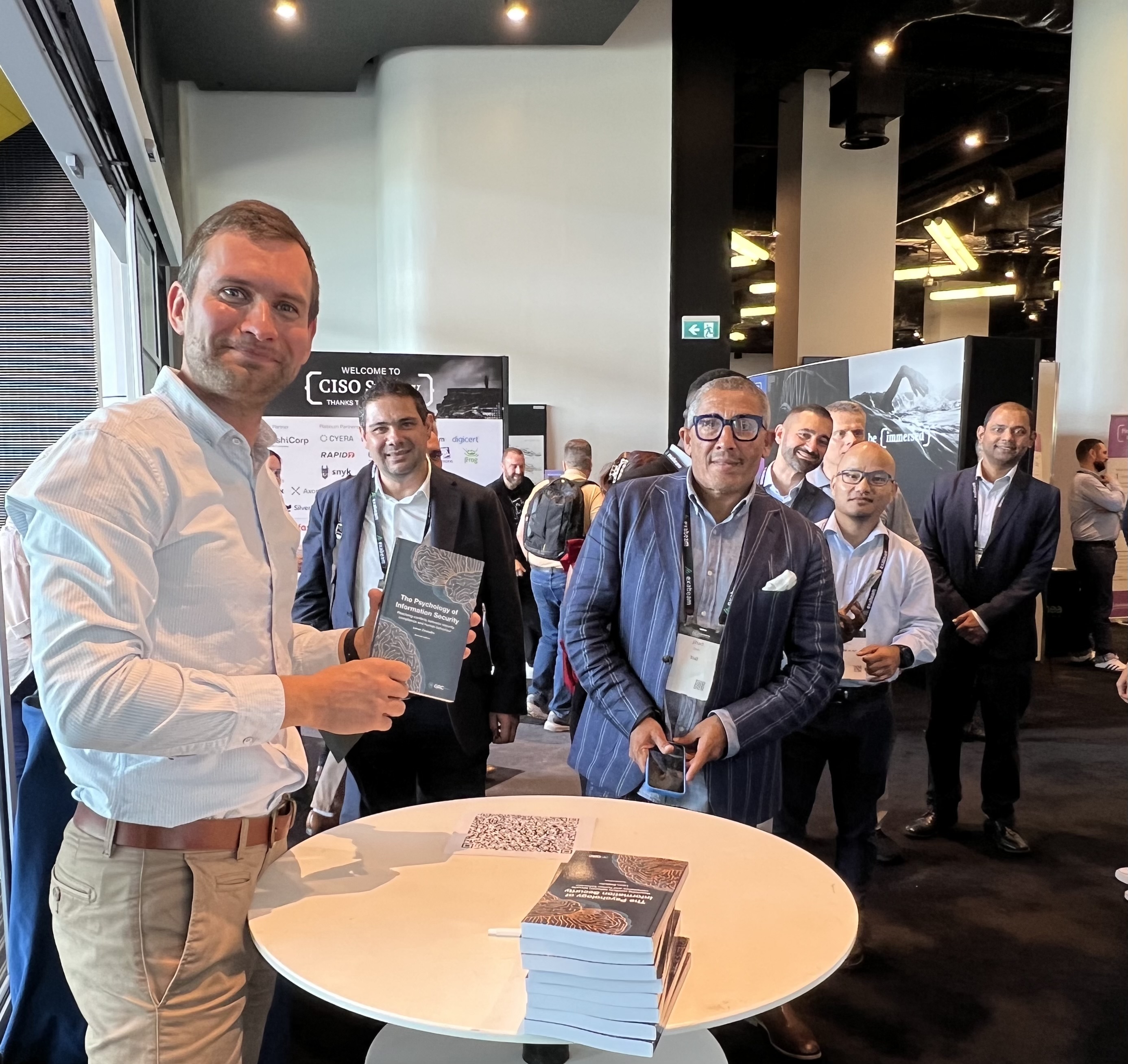
Thank you to everyone who stopped by the book signing. It was a pleasure to meet readers and hear your thoughts. If you missed it, you can still get the book on Amazon: https://a.co/d/0fai5zyh
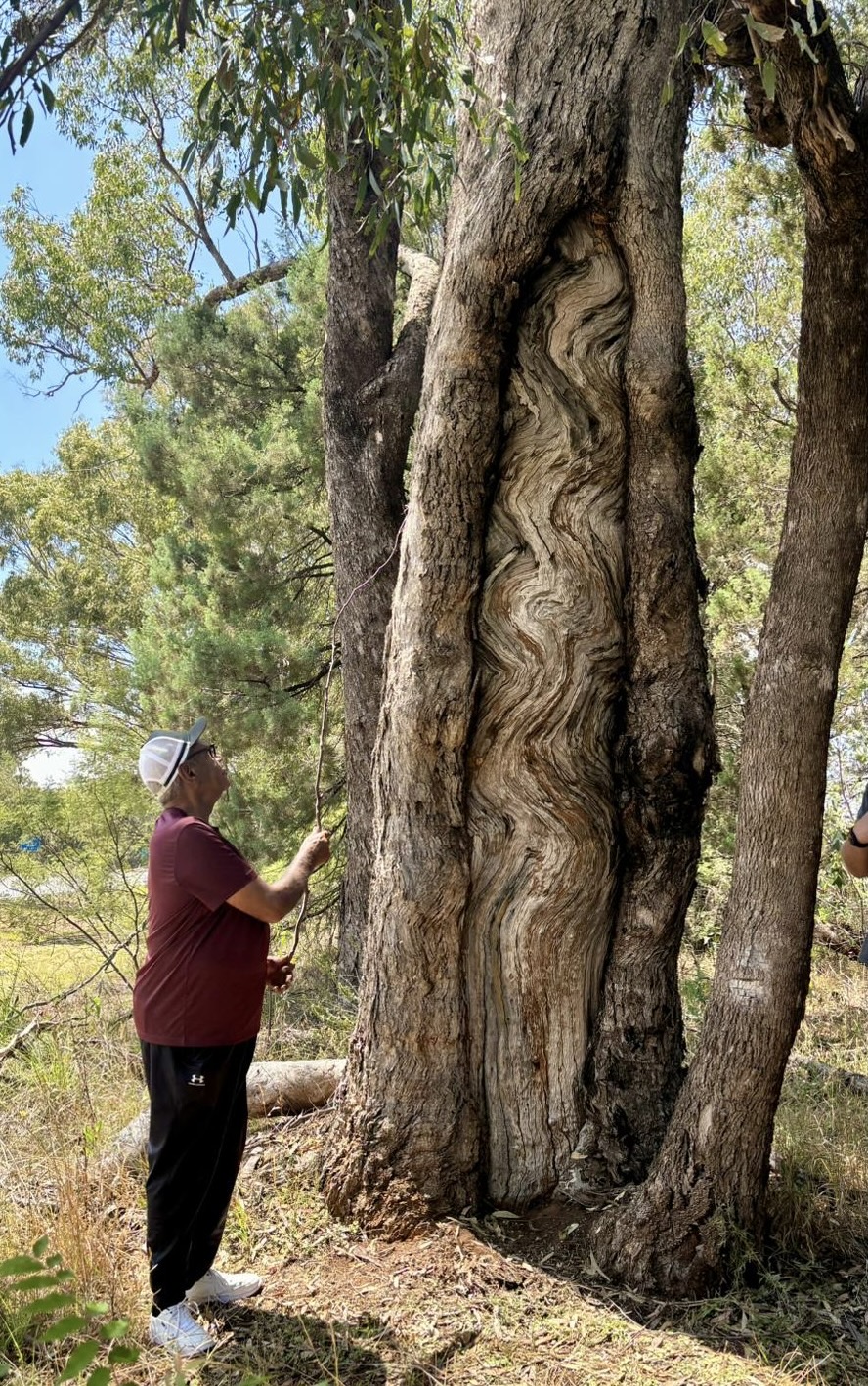
In this blog, I’m going to expand on my observations from working with Indigenous communities in Australia. I’ll adopt a more structured approach to reflective practice to crystallise the insights from my final project and the entire MBA journey.
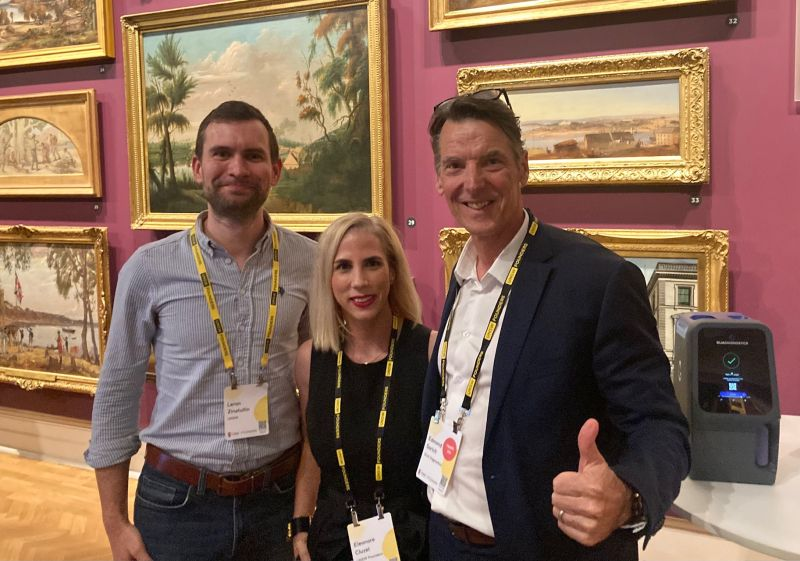
A big moment at the 10x Demo Day with Edmond Sorich and Eléonore Cluzel.
Health 10x, in collaboration with The George Institute for Global Health, is a unique national program accelerating the business growth of startups building affordable and scalable solutions for major health challenges.
It was a privilege to support GLIA Diagnostics developing the first portable, accurate brain injury diagnostic device over the past twelve weeks as an advisor and mentor.
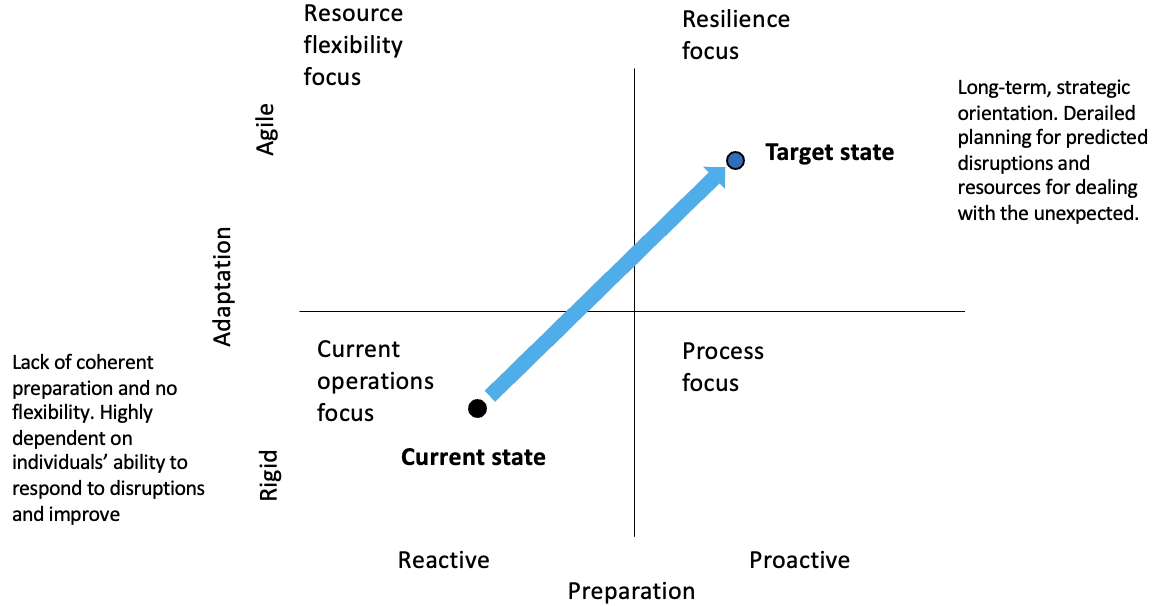
Resilience matrix, adapted from Burnard, Bhamra & Tsinopoulos (2018, p. 357).
Scenario analysis is a powerful tool to enhance strategic thinking and strategic responses. It aims to examine how our environment might play out in the future and can help organisations ask the right questions, reduce biases and prepare for the unexpected.
What are scenarios? Simply put, these are short explanatory stories with an attention- grabbing and easy-to-remember title. They define plausible futures and often based on trends and uncertainties.
I recently completed a masterclass on embedding sustainable leadership in organisations. The best part was the interactive simulation to identify the trade-offs necessary to achieve a balanced approach to decision making for both immediate business goals and long-term sustainability.
I have a keen interest in the not-for-profit sector because its commitment to mission aligns with my personal values and goals. As part of my Executive MBA studies, I completed the Social Impact course that provided me with an insight into complex problems in society and how I can leverage my skills to help tackle them.
One of my biggest learnings from this course relates to demonstrating social impact.
I previously viewed social impact measurement as a distraction from doing actual work imposed by funders and regulators. It was easier for me to focus on outputs rather than long-term outcomes and impact, because they were readily available and straightforward to report on. This course broadened my perspective and helped me distinguish between outputs and lasting social, economic and environmental effects.
Applying course concepts, particularly Theory of Change and Logic Models helped me see the benefits of social impact measurement like learning and personal development, increased accountability, transparency and trust and overall organisational improvement.
In this blog I’ll share some of the tools that can be used to analyse a particular problem. We will use homelessness as an example and compare how two organisations tackle this problem and demonstrate social impact.



 Cyber Security Leadership