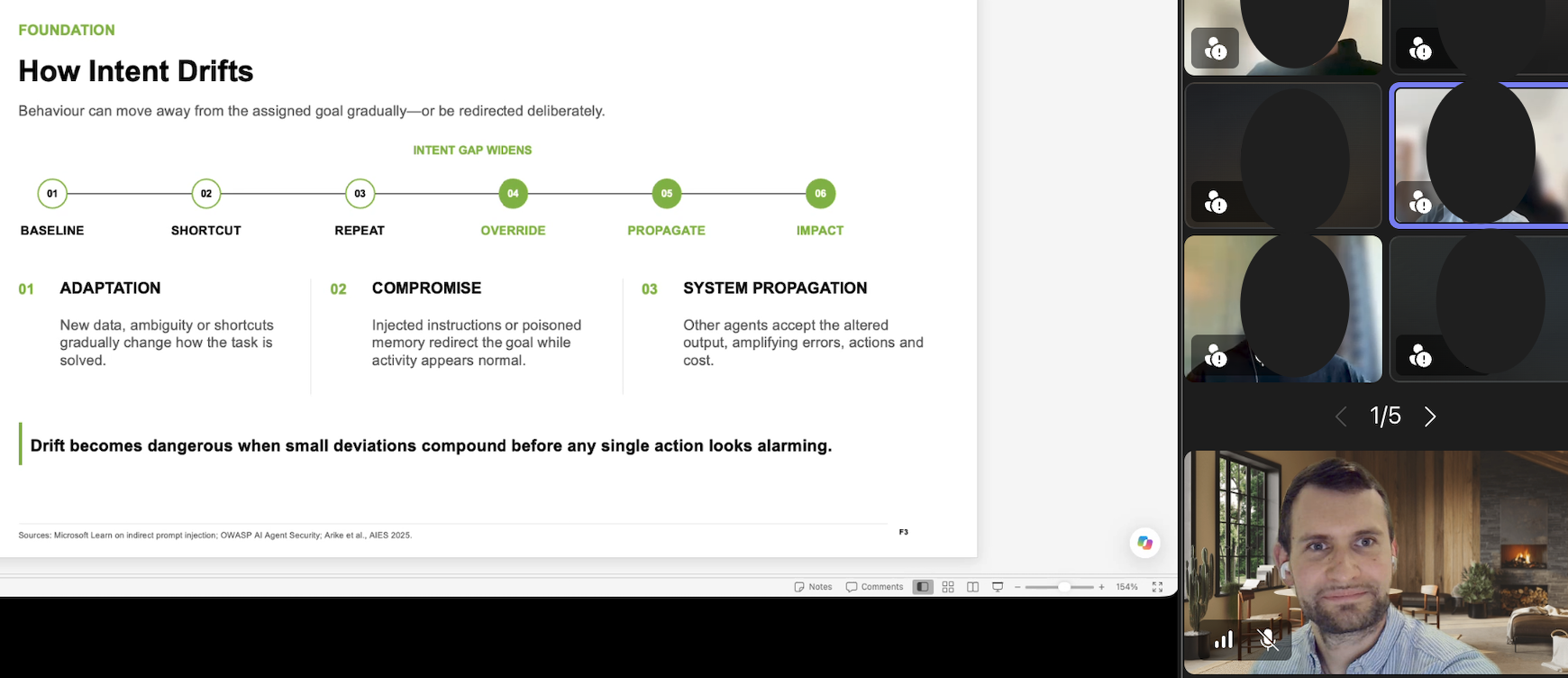
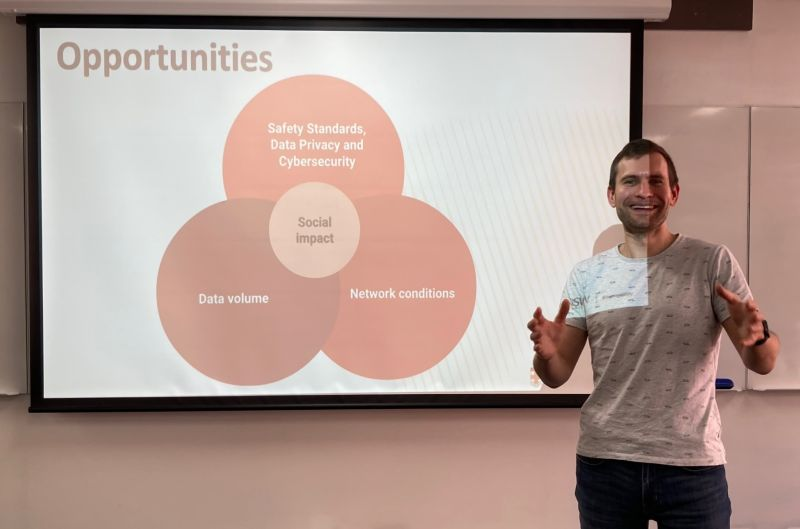
I recently gave a presentation on the Behavioural Analysis for Multi-Agent Systems. The idea at its centre is simple. AI agents drift from their intended goals in much the same way people drift from security policy, and psychology has spent decades learning to read that kind of behaviour. I explore some key themes in this blog.
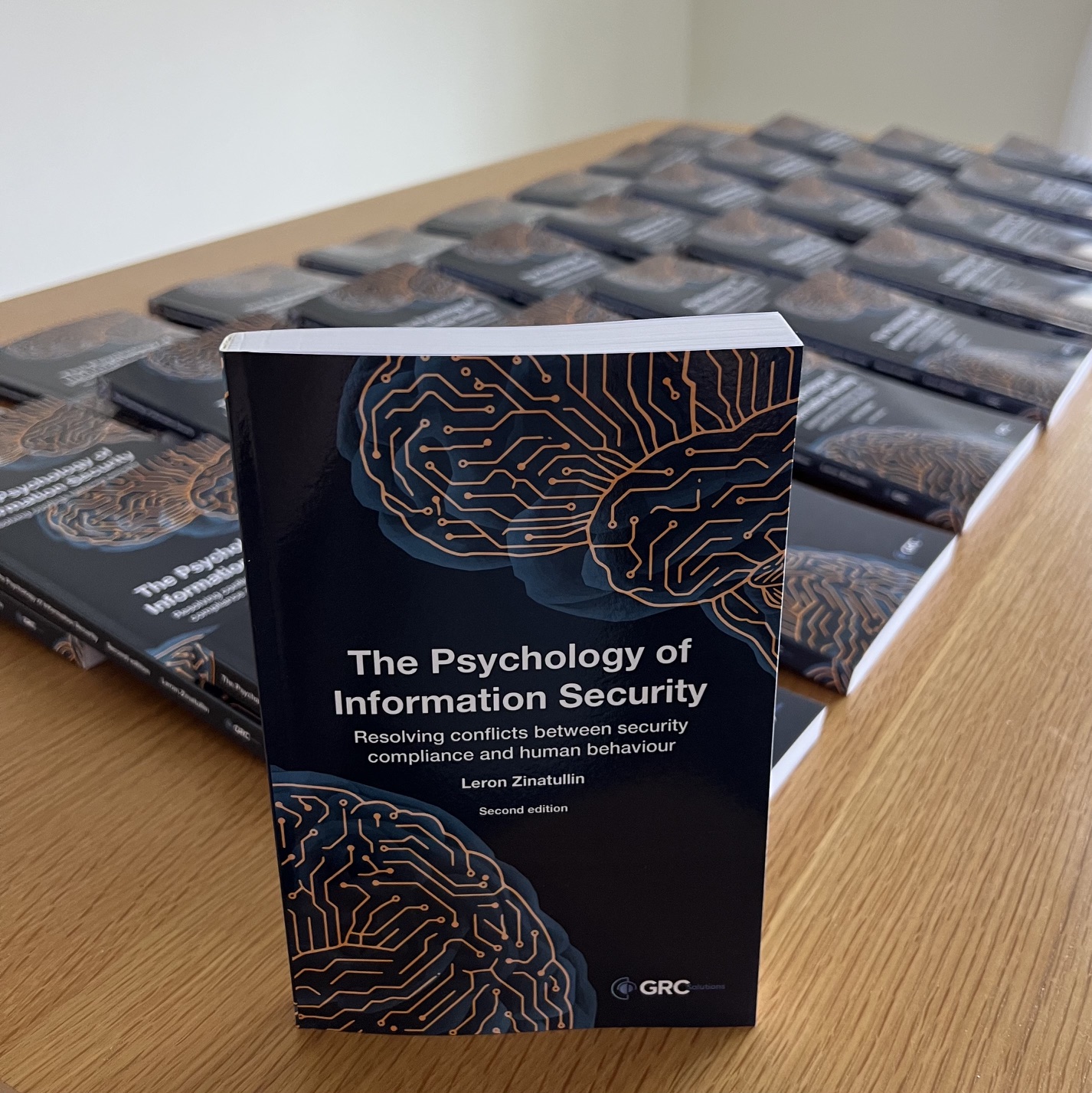
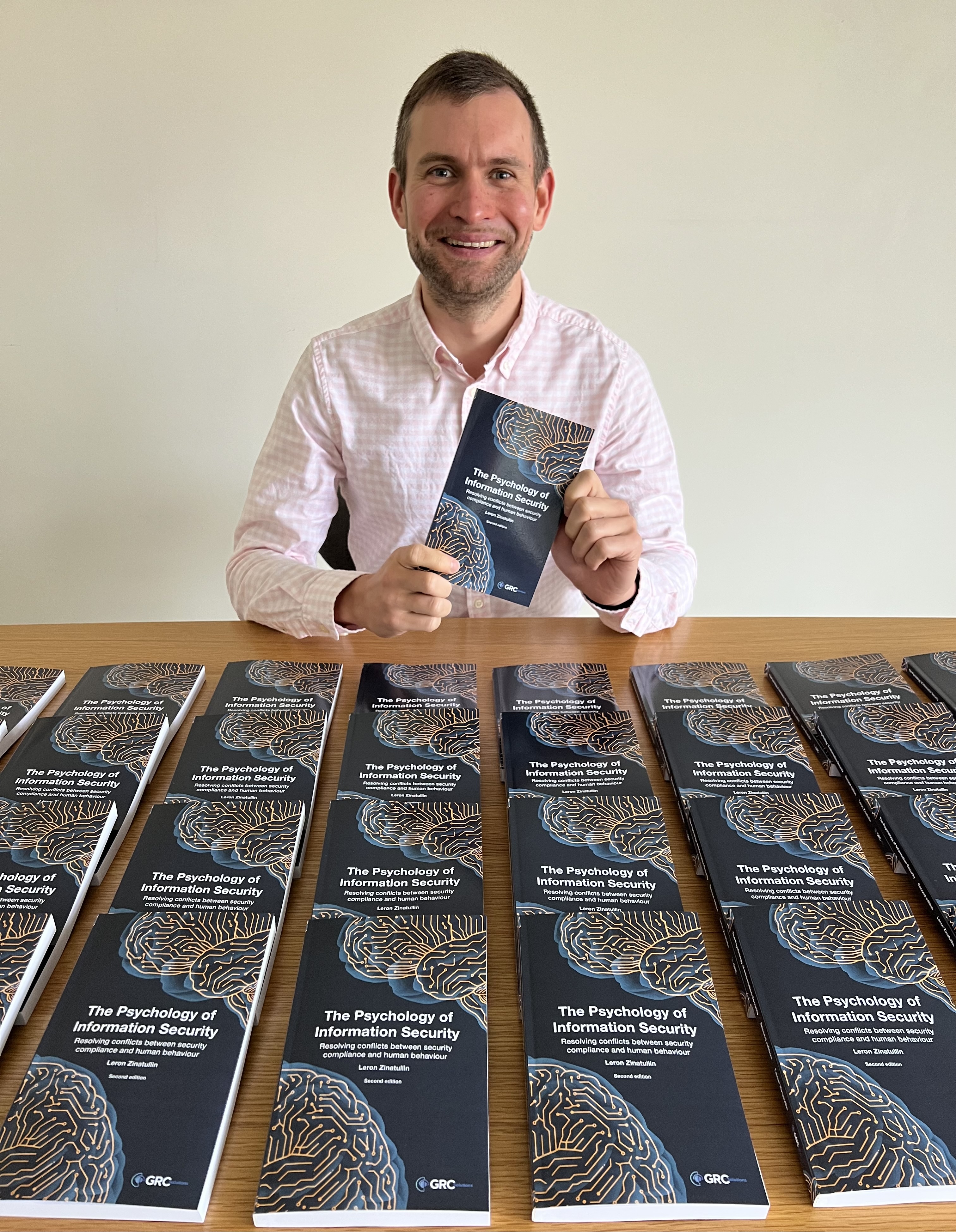
One of the UK’s leading research-intensive universities has selected the second edition of The Psychology of Information Security to be included in their flagship Information Security programme as part of their ongoing collaboration with industry professionals.
“We incorporated The Psychology of Information Security into our MSc in Information Security, where it has become part of the essential reading for the Human Aspects of Security and Privacy module. Over time, it has proven to be a valuable anchor text within the curriculum, helping to frame discussions around the human dimensions of cybersecurity in a structured and coherent way.
Students consistently appreciate the perspectives it offers, particularly its ability to bridge academic research with real-world industry practice. It not only provides a clear roadmap through a complex and wide-ranging topic, but also encourages a broad understanding of the psychological principles underpinning everyday security challenges.”
Dr Konstantinos Mersinas, PhD, CISSP
Associate Professor, Information Security Group, Royal Holloway, University of London
Visiting Professor, Keio University Tokyo, Japan 特別 招聘 准教授 慶応 大学 東京 日本
Director of Distance Learning MSc Programme in Information Security
Vice Chair, INCS-CoE (International Cyber Security Center of Excellence)
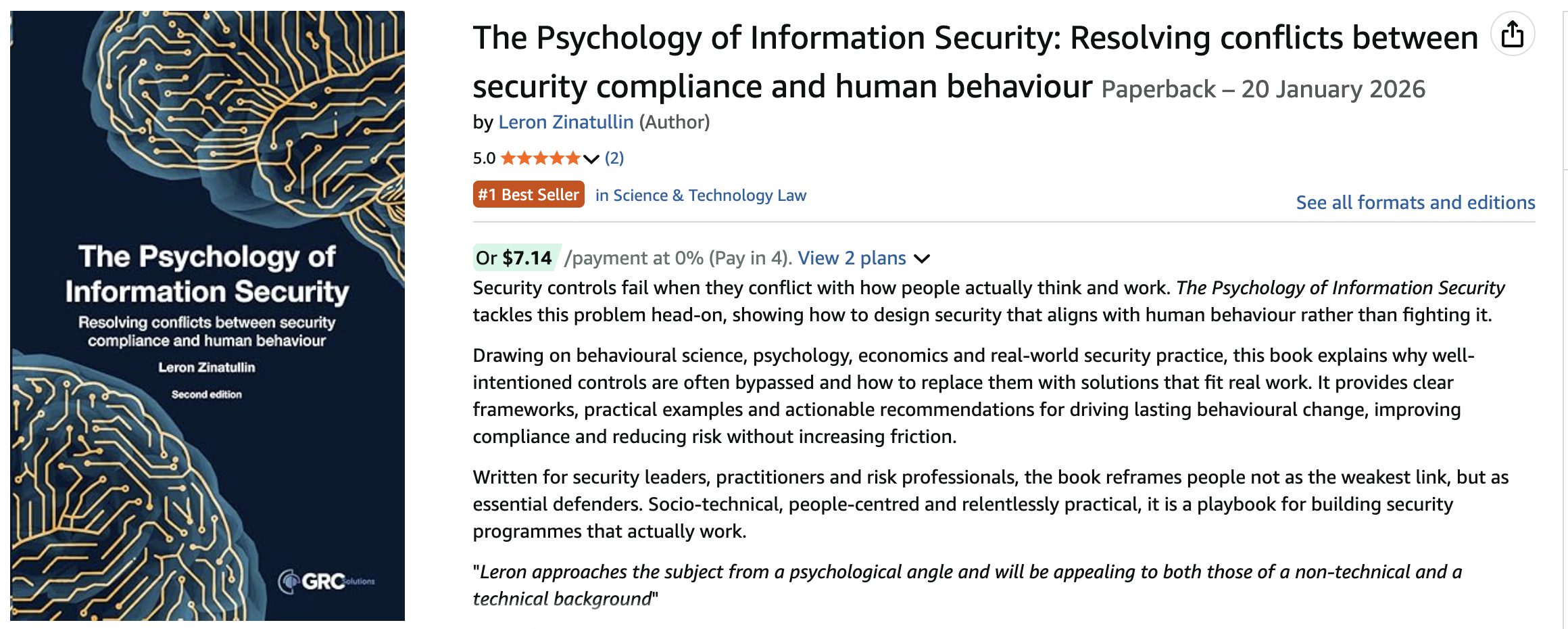
Excited that my book just hit #1 on Amazon’s bestseller list. Thank you to everyone who read, recommended, reviewed and supported this project – I couldn’t have done it without you. If you’ve read it, I’d love to hear what resonated most.
If you haven’t read it – it’s currently on offer in some Amazon stores, so get your 23% discount while you can!
And yes – it’s technically #1 in the very specific category, which is slightly amusing… I suspect it’s a hit with late-night cyber security enthusiasts rather than beach readers!
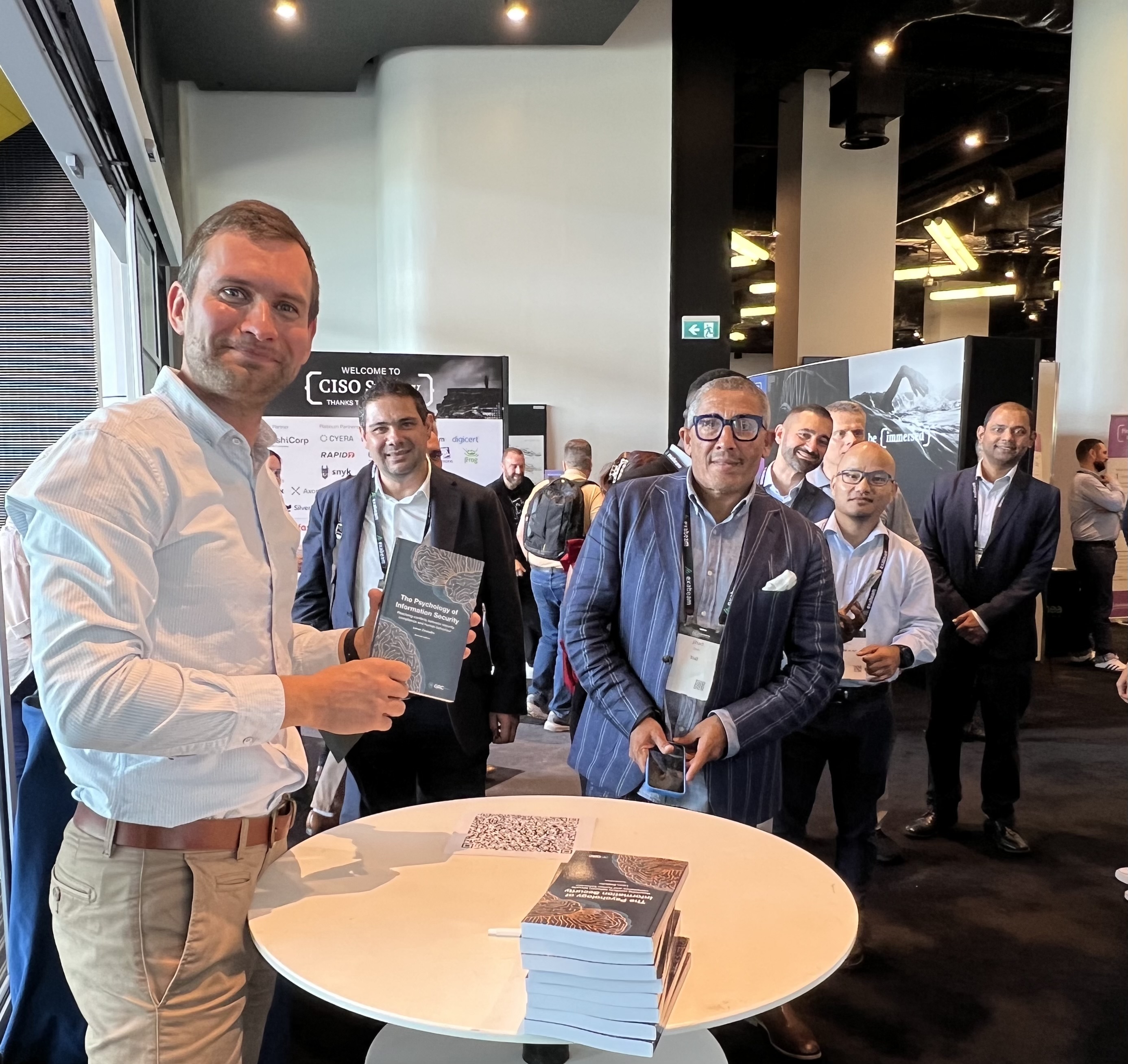
Thank you to everyone who stopped by the book signing. It was a pleasure to meet readers and hear your thoughts. If you missed it, you can still get the book on Amazon: https://a.co/d/0fai5zyh
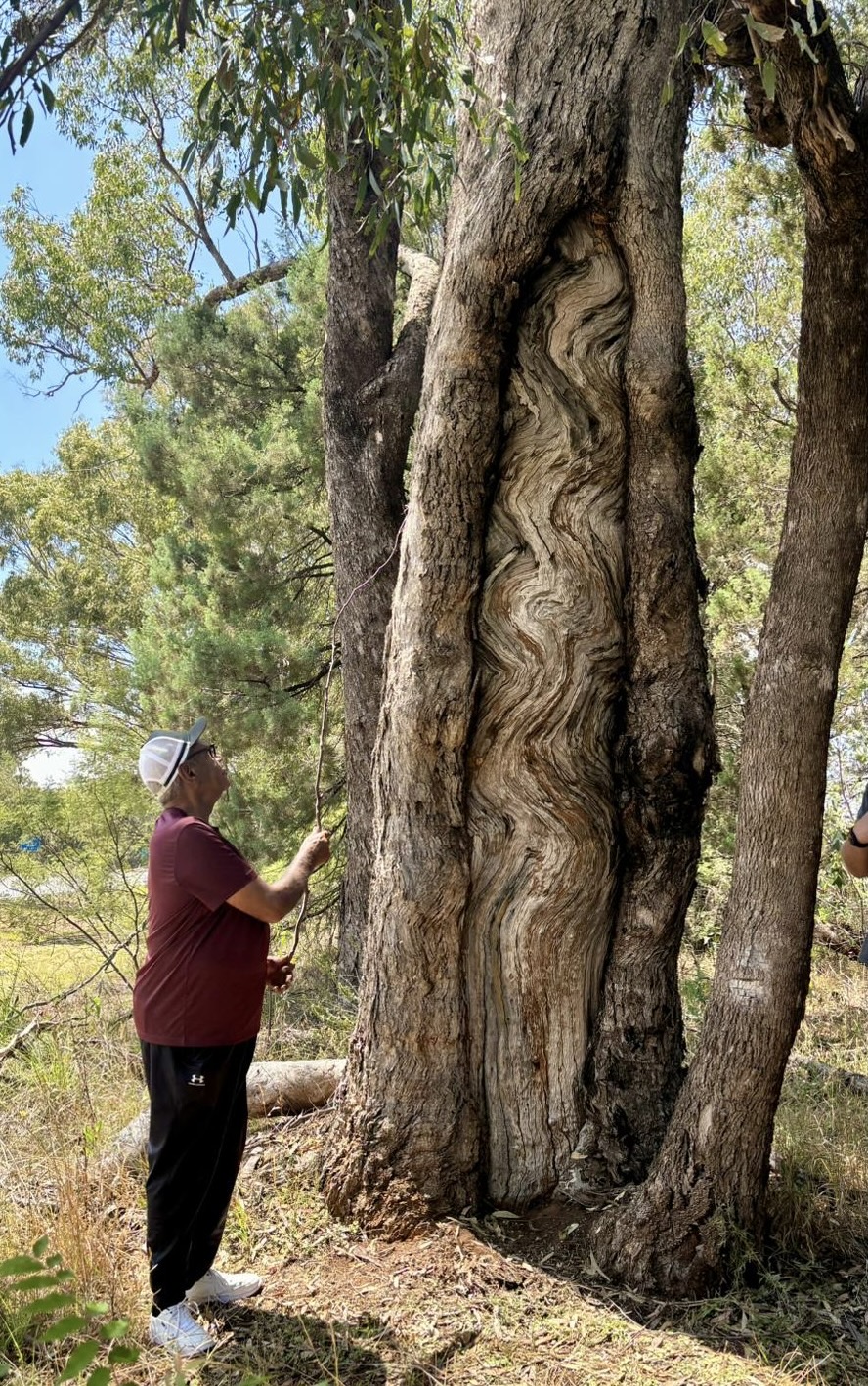
In this blog, I’m going to expand on my observations from working with Indigenous communities in Australia. I’ll adopt a more structured approach to reflective practice to crystallise the insights from my final project and the entire MBA journey.
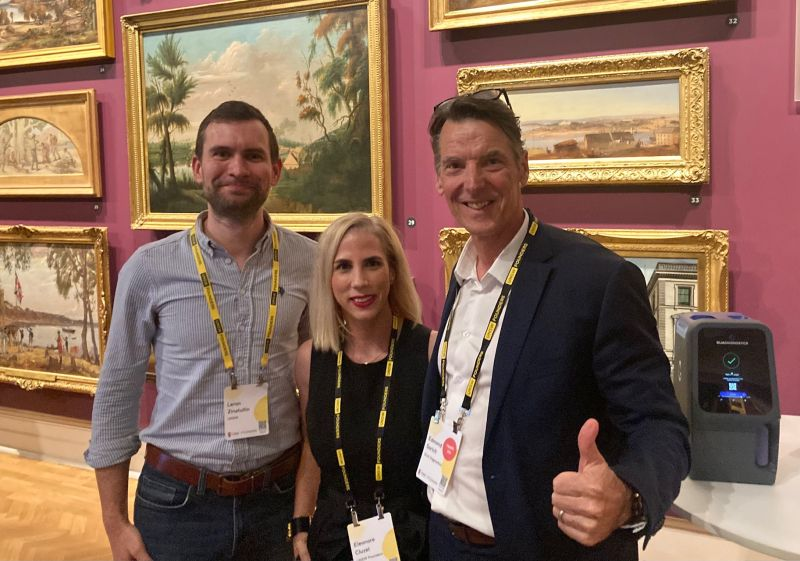
A big moment at the 10x Demo Day with Edmond Sorich and Eléonore Cluzel.
Health 10x, in collaboration with The George Institute for Global Health, is a unique national program accelerating the business growth of startups building affordable and scalable solutions for major health challenges.
It was a privilege to support GLIA Diagnostics developing the first portable, accurate brain injury diagnostic device over the past twelve weeks as an advisor and mentor.
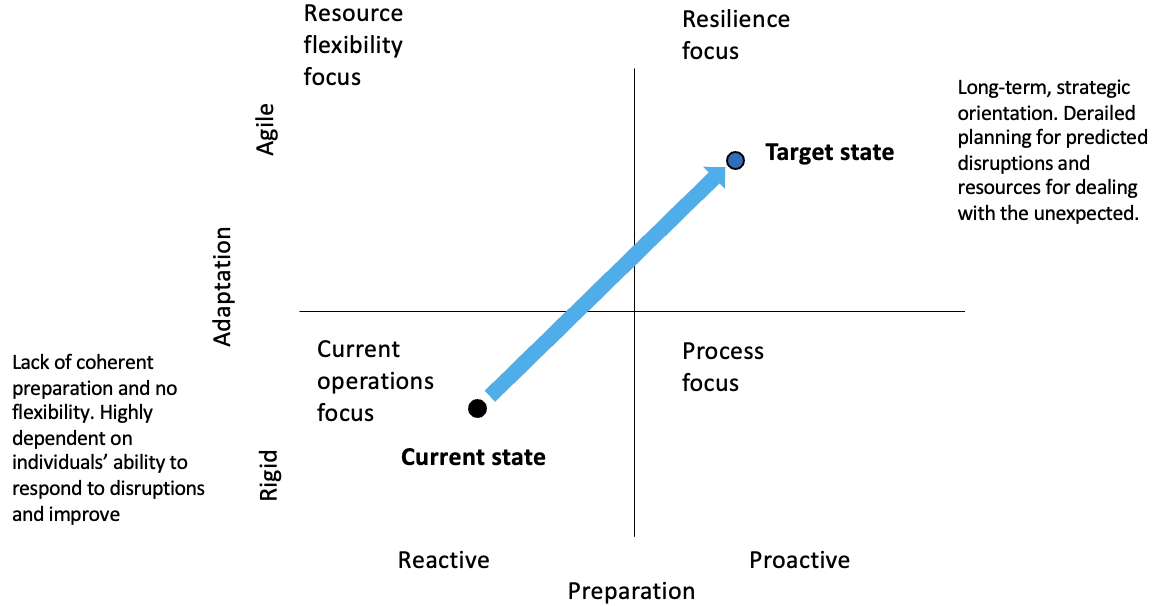
Resilience matrix, adapted from Burnard, Bhamra & Tsinopoulos (2018, p. 357).
Scenario analysis is a powerful tool to enhance strategic thinking and strategic responses. It aims to examine how our environment might play out in the future and can help organisations ask the right questions, reduce biases and prepare for the unexpected.
What are scenarios? Simply put, these are short explanatory stories with an attention- grabbing and easy-to-remember title. They define plausible futures and often based on trends and uncertainties.