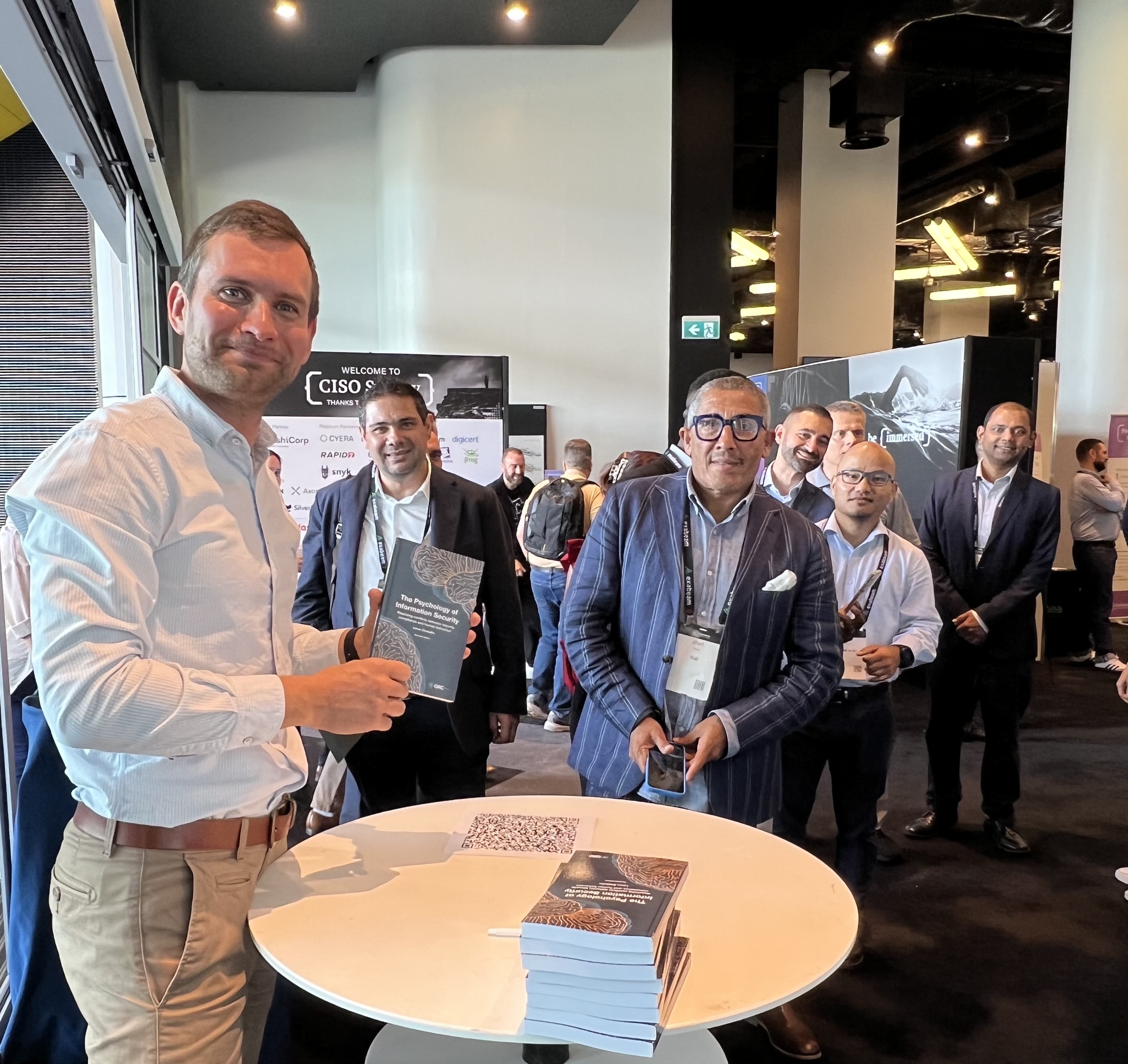
Thank you to everyone who stopped by the book signing. It was a pleasure to meet readers and hear your thoughts. If you missed it, you can still get the book on Amazon:
https://a.co/d/0fai5zyh
A practical approach
Thank you to everyone who stopped by the book signing. It was a pleasure to meet readers and hear your thoughts. If you missed it, you can still get the book on Amazon:
https://a.co/d/0fai5zyh
Security failures are rarely a technology problem alone. They’re socio-technical failures: mismatches between how controls are designed and how people actually work under pressure. If you want resilient organisations, start by redesigning security so it fits human cognition, incentives and workflows. Then measure and improve it.
Apply simple behavioural-science tools to reduce errors and increase adoption:
A reporting culture requires psychological safety.
Stop counting clicks and start tracking signals that show cultural change and risk reduction:
Always interpret in context: rising near-miss reports with falling latency can be positive (visibility improving). Review volume and type alongside latency before deciding.
If rate rises sharply with no matching incident reduction, validate whether confusion is driving questions (update docs) or whether new features need security approvals (streamline process).
An increase may signal stronger capability and perceived efficacy of security actions. While a decrease indicates skills gaps, tooling or access friction or perception that actions don’t lead to change.
Metrics should prompt decisions (e.g., simplify guidance if dwell time on key security pages is low, fund an automated patching project if mean time to remediate is unacceptable), not decorate slide decks.
Treat culture change like product development: hypothesis → experiment → measure → adjust. Run small pilots (one business unit, one workflow), measure impact on behaviour and operational outcomes, then scale the successful patterns.
When security becomes the way people naturally work, supported by defaults, fast safe paths and a culture that rewards reporting and improvement, it stops being an obstacle and becomes an enabler. That’s the real return on investment: fewer crises, faster recovery and the confidence to innovate securely.
If you’d like to learn more, check out the second edition of The Psychology of Information Security for more practical guidance on building a positive security culture.
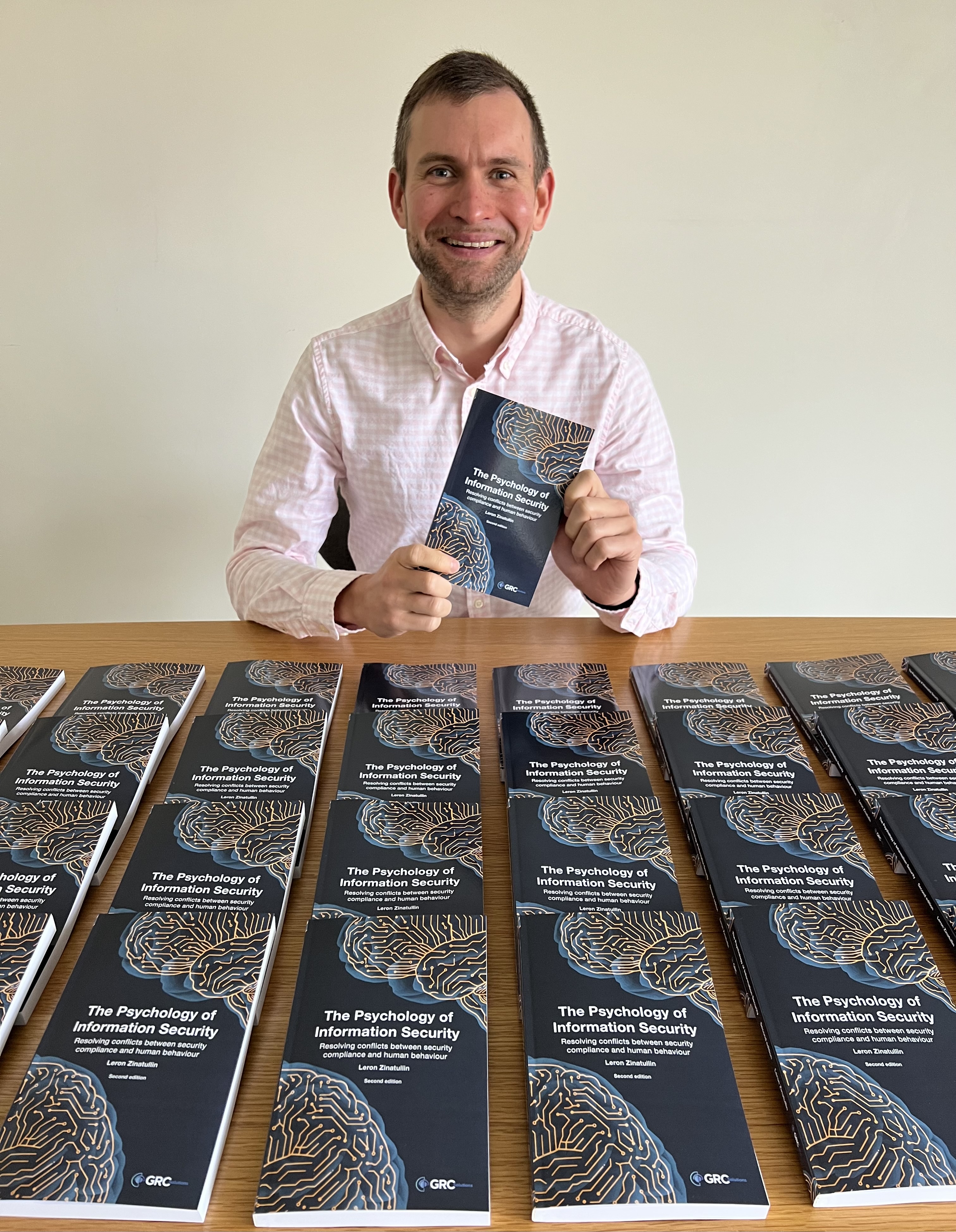
I’m super proud to have written this book. It’s the much improved second edition – and I can’t wait to hear what you think about it.
Please leave an Amazon review if you can – this really helps beat the algorithm, and is much appreciated!
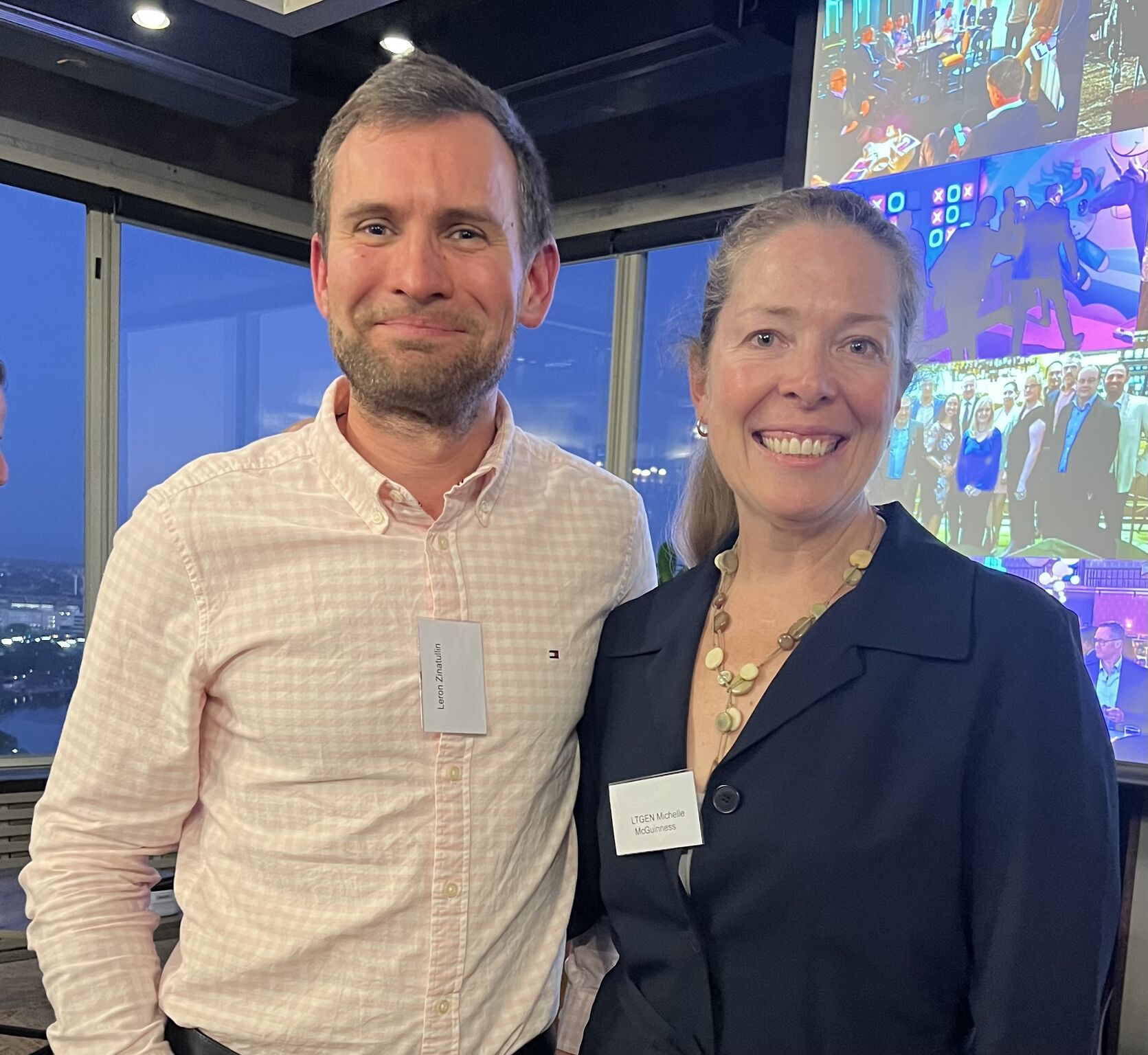
It was great to chat with Lieutenant General Michelle McGuinness, the National Cyber Security Coordinator, about the Australian Cyber Security Strategy as well as key initiatives, strategic imperatives and challenges that CISOs must navigate.
I appreciate an opportunity to contribute to the ongoing conversation on cyber threat landscape, risk and AI governance.

It was good to attend the Essential Director Update – a timely reminder that good governance now requires foresight as well as oversight.
Staying on the forefront of contemporary governance demands AI and cybersecurity competency.
My key takeaways for boards and executives:
☑️ Data is the fuel: protect data integrity (accurate, consistent, timely) and focus governance where it creates the most value.
☑️ AI is everywhere, no longer just an IT challenge: adopt a human-centred approach, define guardrails around intent, and factor legal and ethical considerations into every deployment.
☑️ Balance innovation with risk: prioritise highest-value use cases, automate safety controls where possible, but don’t outsource accountability.
☑️ Cybersecurity must be risk-based: know your crown jewels, expect incidents, build crisis response plans and regularly test your defences.
☑️ People first: changing work practices will affect roles and culture; steer the transition and invest in policy and education.
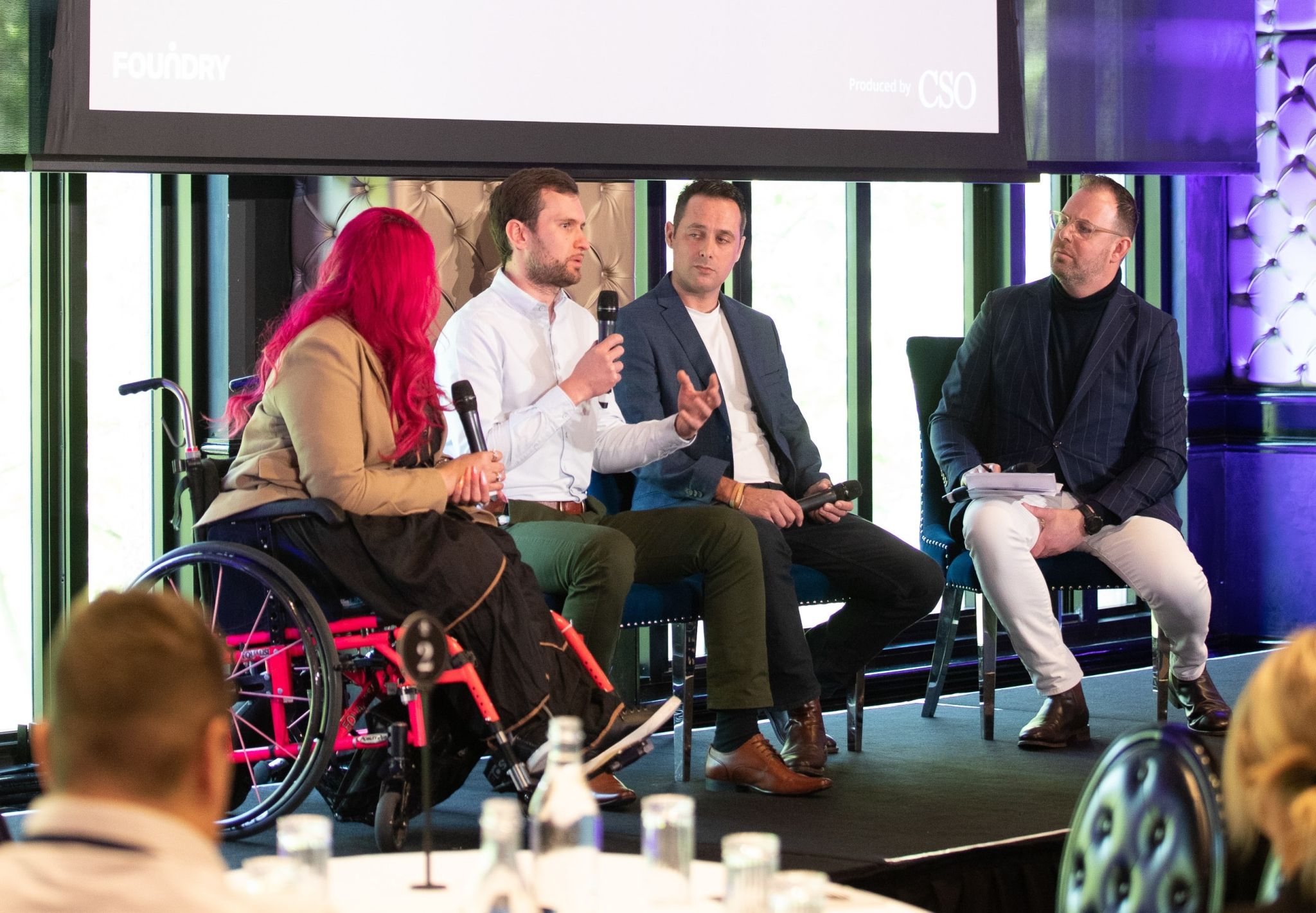
I had a pleasure of sharing some practical lessons on building resilience at the Cybersecurity Summit.
I touched on sustainable performance strategies and the importance of body, emotions, mind and purpose in preventing burnout.
Protecting systems starts with protecting the people who run them.
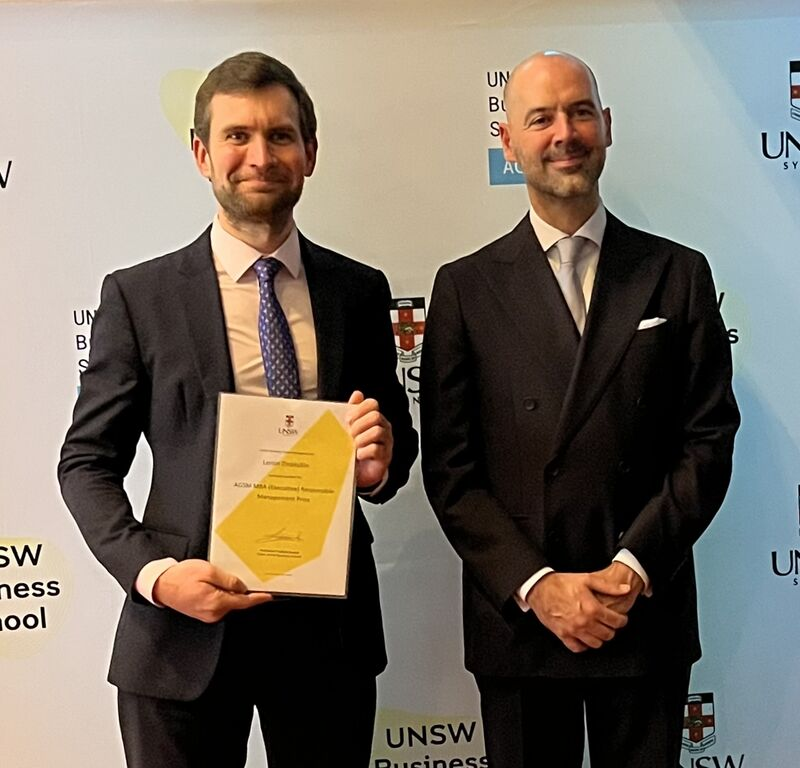
I’ve been awarded the Responsible Management Prize 🏆
This award recognises the values that guide me every day: honesty, integrity and leading with purpose.
In today’s evolving business landscape, where AI, risk management and cybersecurity intersect, ethical practice is essential. Because what we stand for today shapes the world we build tomorrow.
As algorithms power more of our decisions, we must ensure they’re transparent, fair and aligned with human values. Balancing innovation with resilience means anticipating unintended consequences, protecting stakeholders and driving sustainable outcomes.
Safeguarding data and privacy isn’t merely a technical challenge – it’s a trust imperative that underpins every relationship.
Thank you to the selection committee for recognising the work we’ve done together to build an inclusive, principled and forward-looking learning community.

I’m excited to join the Lokahi Foundation as a Board Observer through The Observership Program in partnership with Australian Institute of Company Directors and The Ethics Centre.
The program is designed to equip leaders with skills and practical experience for not-for-profit board and social impact leadership. I found the sessions on governance, finance, risk and strategy for not-for-profit directors very useful.
I appreciate the opportunity to contribute to an organisation that is truly making a difference and driving systemic change in our communities.
I’m thrilled to share that I’ve recently earned the GIAC Strategic Planning, Policy, and Leadership (GSTRT) certification- a milestone that validates my ability to architect and sustain cybersecurity programs with a sharp focus on business value and executive alignment.

Cyber security is a relentless race to keep pace with evolving threats, where staying ahead isn’t always possible. Advancing cyber maturity demands more than just reactive measures—it requires proactive strategies, cultural alignment, and a deep understanding of emerging risks.
I had an opportunity to share my thoughts on staying informed about threats, defining cyber maturity, and aligning security metrics with business goals with Corinium’s Maddie Abe ahead of my appearance as a speaker at the upcoming CISO Sydney next month.

