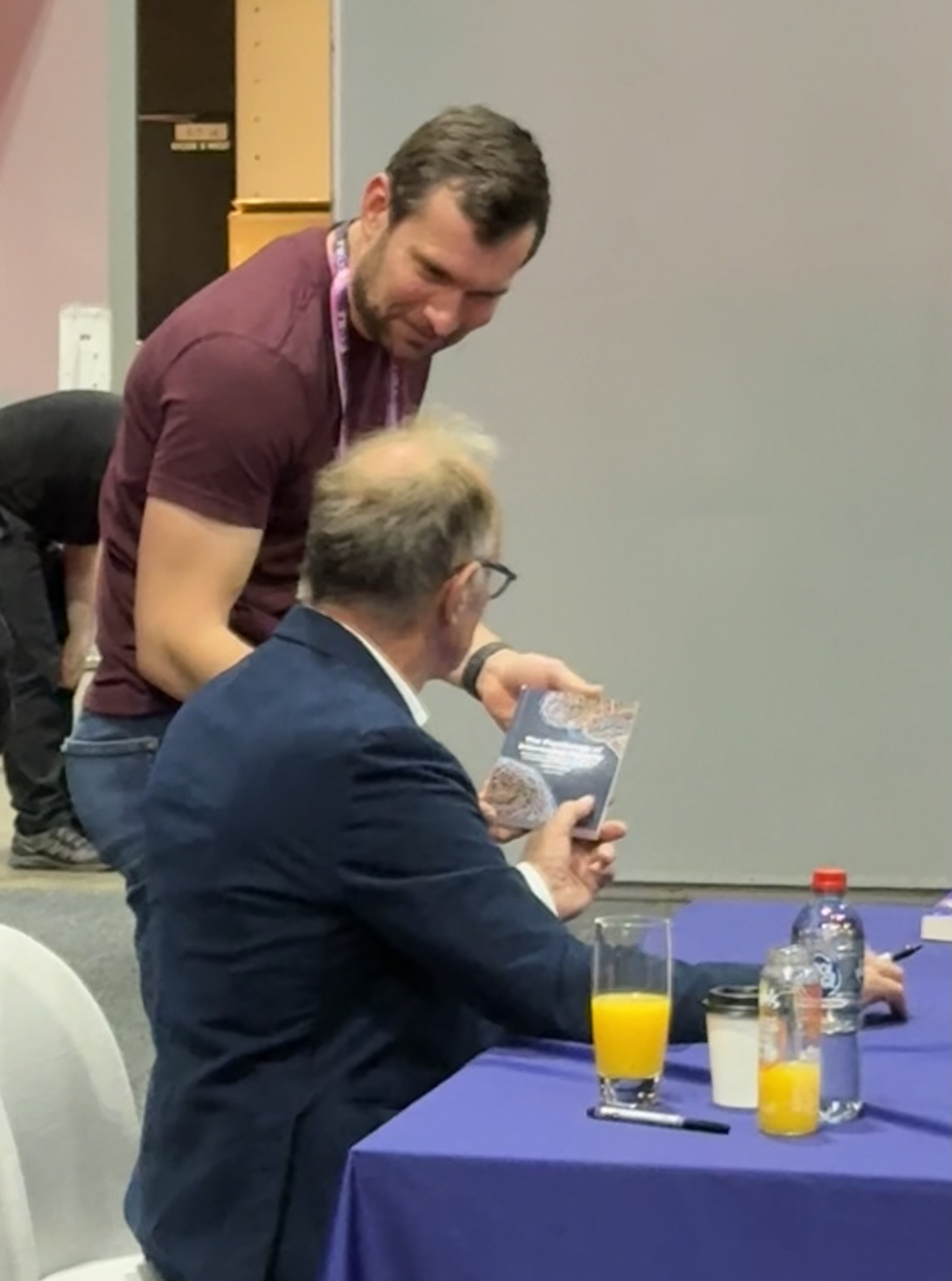
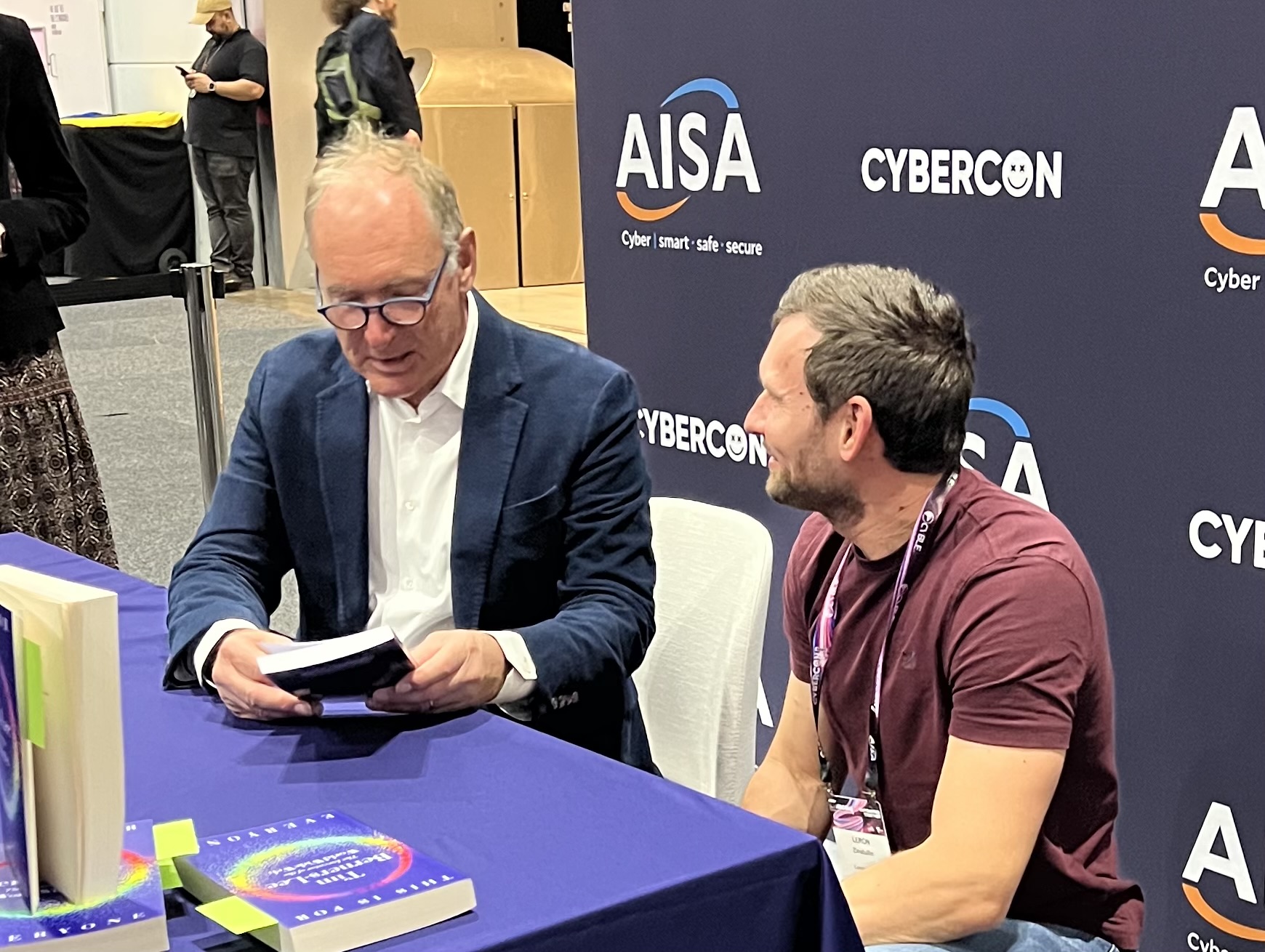
Just like meeting the Babbage’s Difference Engine, it was an honour to meet Sir Tim Berners-Lee, the inventor of the World Wide Web.
It was good to get his book signed, but also share my book, The Psychology of Information Security.
A practical approach
Just like meeting the Babbage’s Difference Engine, it was an honour to meet Sir Tim Berners-Lee, the inventor of the World Wide Web.
It was good to get his book signed, but also share my book, The Psychology of Information Security.
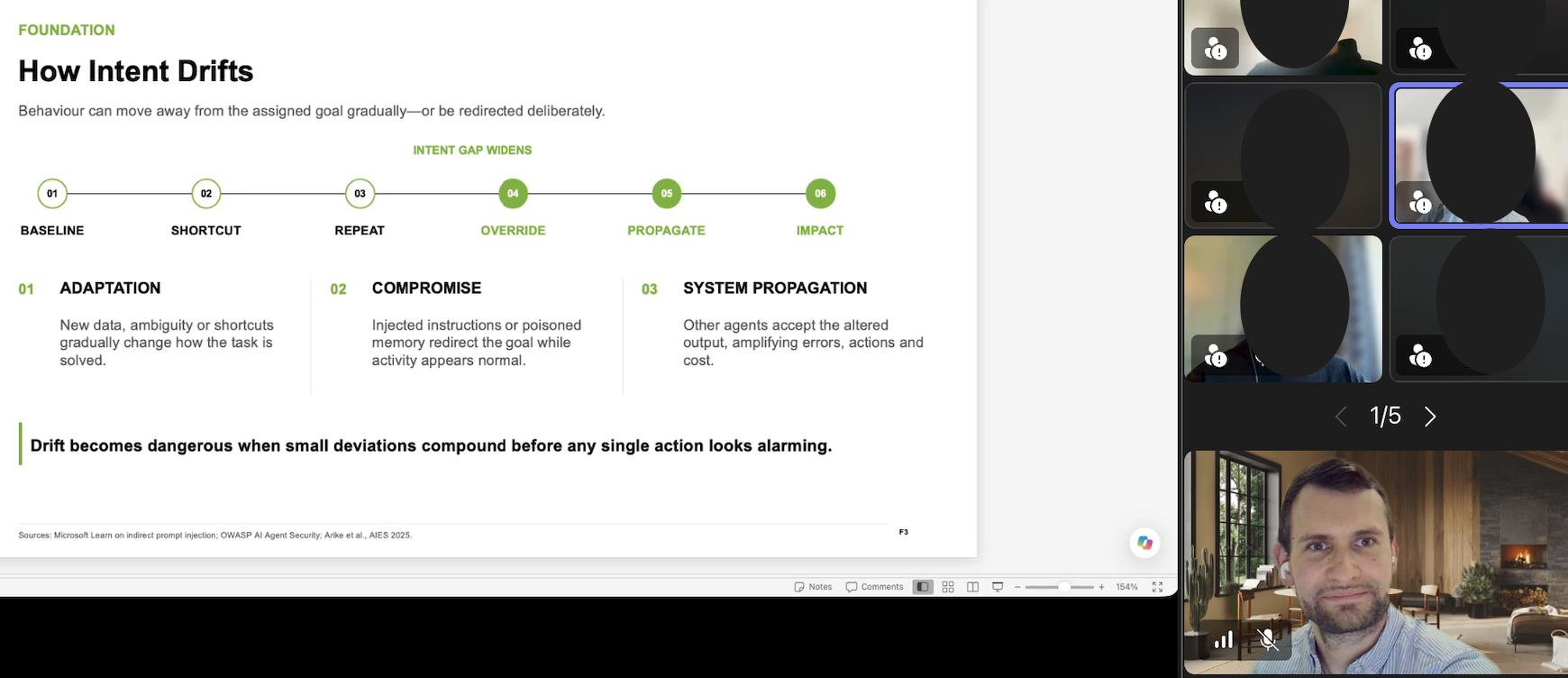
I recently gave a presentation on the Behavioural Analysis for Multi-Agent Systems. The idea at its centre is simple. AI agents drift from their intended goals in much the same way people drift from security policy, and psychology has spent decades learning to read that kind of behaviour. I explore some key themes in this blog.
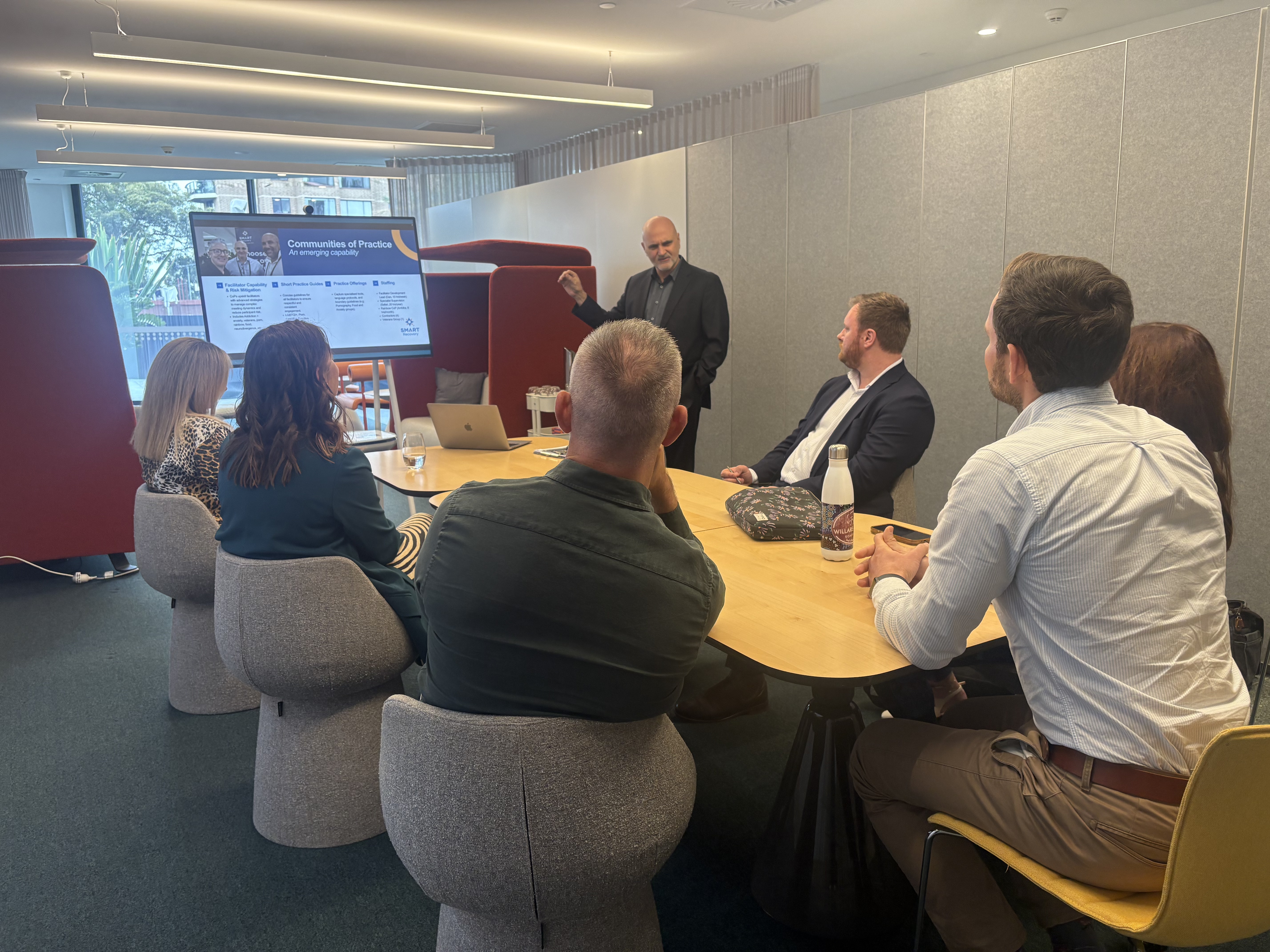
I”m very proud to have joined the board of SMART Recovery Australia with the mission to help people live a life beyond addiction through evidence-based, inclusive and empowering programs.
And no better way to start than with a strategy offsite bringing together fellow directors and the executive team for a day focusing on financial sustainability, AI governance, risk appetite and long-term impact measurement.
I look forward to contributing and applying my experience in board directorship, social impact measurement, AI in the not-for-profit sector, NFP governance, cybersecurity, strategy and leadership.
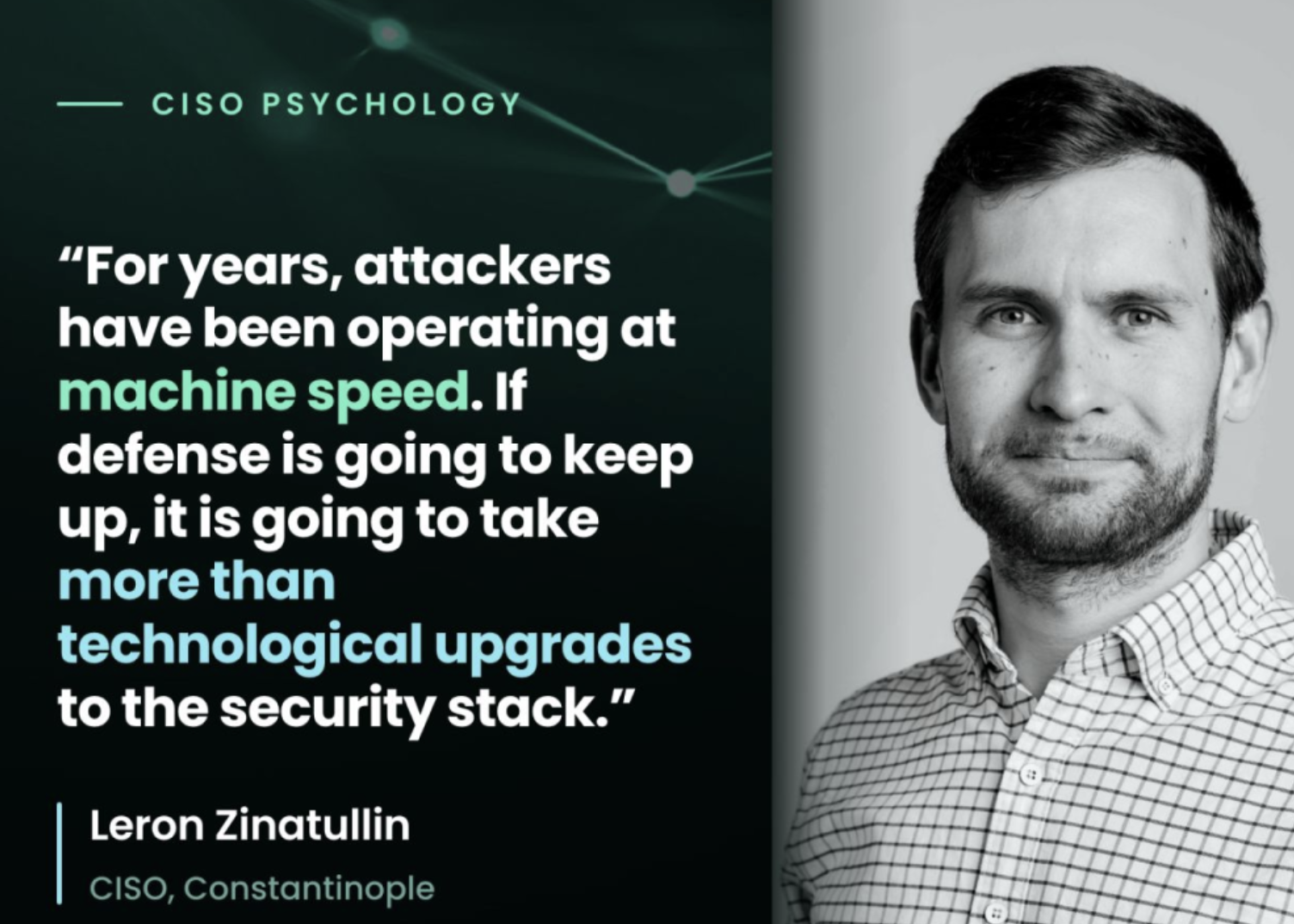
When both attackers and defenders use AI, it’s the people who become the edge.
Attackers already run at machine speed, and faster tools only close part of that gap.
It was great to sit down with Dan Raywood to talk about building security culture and the evolving role of a CISO 👇
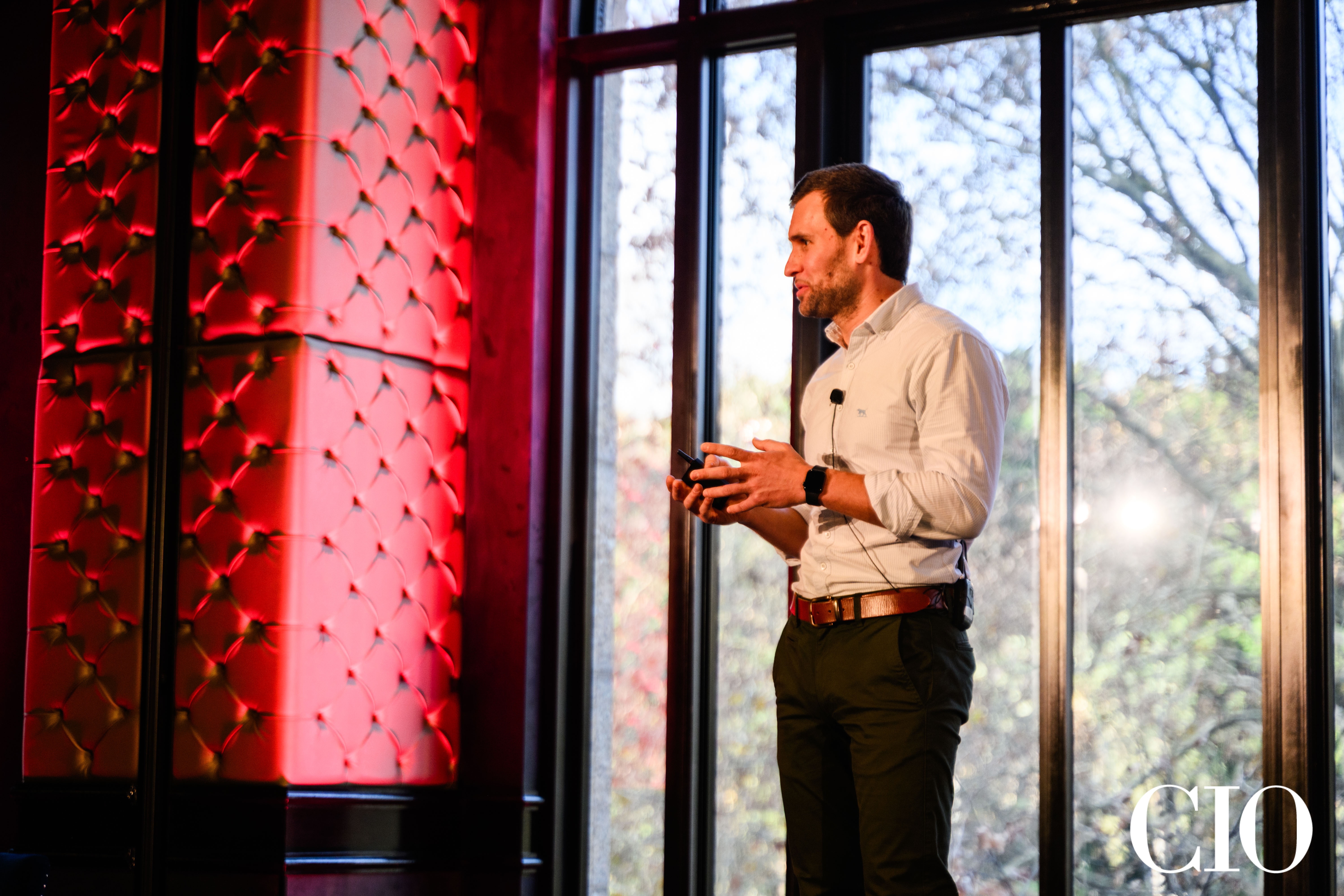
Security failures are rarely just a technology problem. They’re a design problem – a mismatch between how controls are built and how people actually work.
That was my message keynoting at CIO Leadership Live.
AI has amplified the security fundamentals.
☑️ Defaults beat persuasion: passkeys by default, automatic updates, SSO. The secure choice should be the easiest choice.
☑️ Shadow AI is a friction signal, not a compliance failure. If people are pasting data into unapproved chatbots, your sanctioned path is too slow. Give them a fast, safe alternative.
☑️ Build trust, not fear. Blameless reviews and visible leadership create the psychological safety people need to report incidents early.
The CIOs who win with AI won’t be the ones with the strictest rules but the ones whose guardrails make the secure way the easy way.

I enjoyed talking to students completing their Global MBA and MSc in Digital Transformation with the University of Hull Online about human-centered approaches to cyber security.
My lecture helped reinforce the idea that cyber security is a socio-technical challenge that has deep behavioural contingencies.
Cyber is a business risk and I’m glad it’s increasingly featured in business degree curriculums beyond computer science. My book, the Psychology of Information Security, helps bridge the gap between organisational and cyber strategy.

I delivered a keynote at CIO Leadership Live.
For about a decade, our industry has had a favourite phrase: people are the weakest link. I made the opposite case – that the people we’ve been blaming are the most capable security asset we have, and we’ve spent that decade building systems that fight them instead of fit them.
The talk covered why training and punishment don’t work, why every workaround is actually free user research, and how you design your way to secure behaviour by making the secure path the easy path. And of course, where AI fits into all of it.
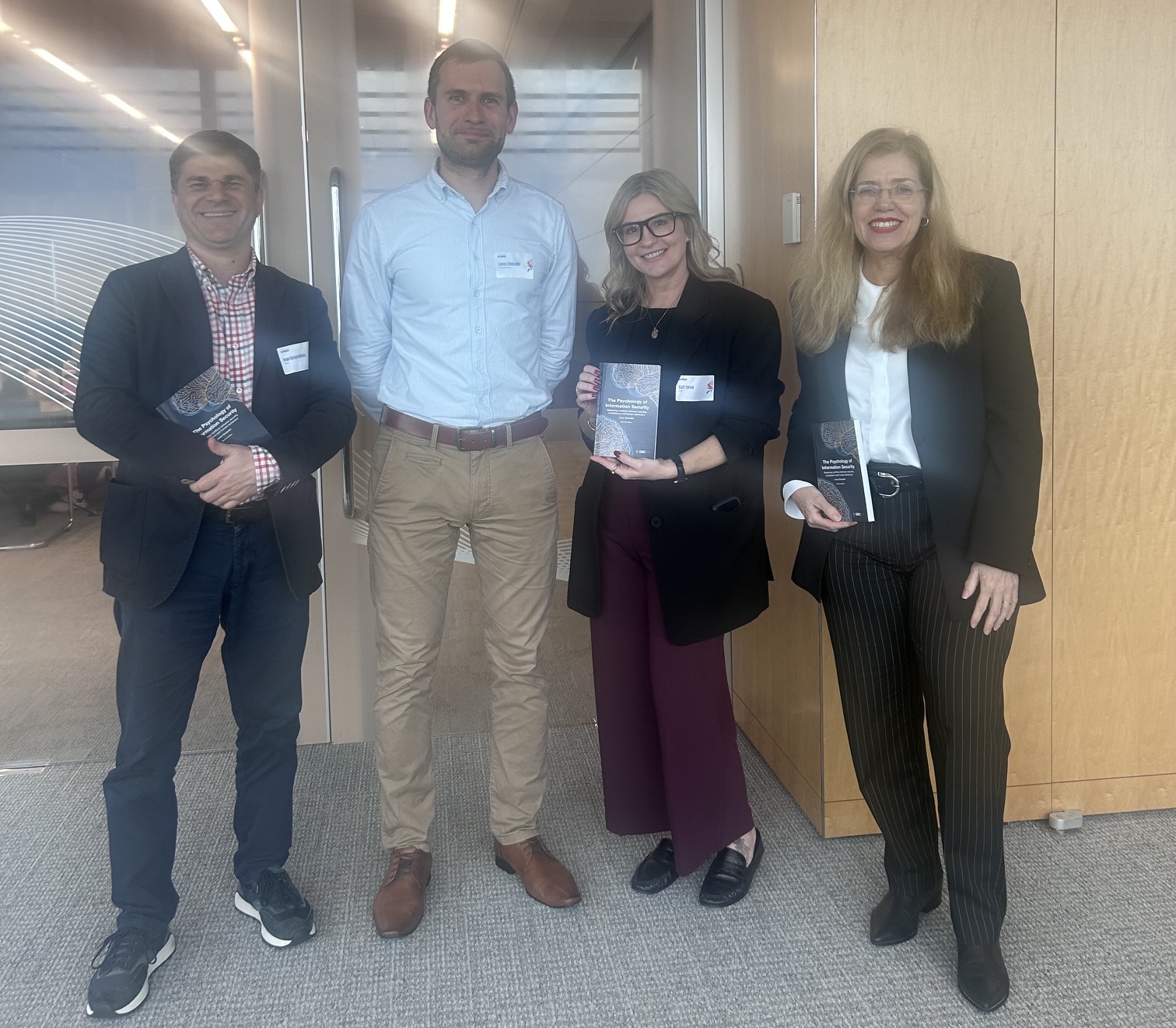
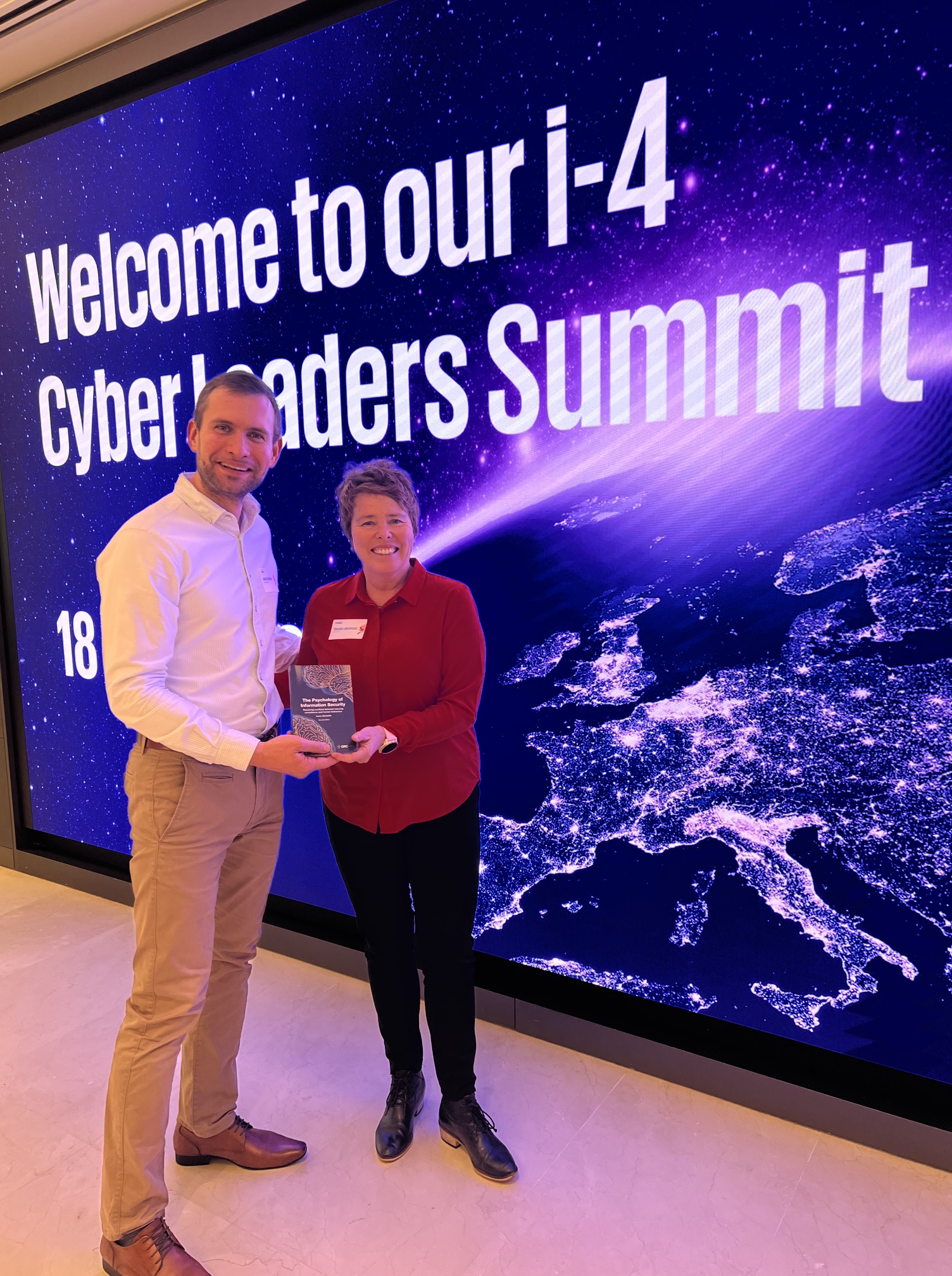
A day of sessions on AI in the SOC, OT resilience, fragmenting regulation and machine-speed response.
We build systems that assume the human in the loop has steady attention and reliable judgement. Neither is true, and it is getting less true. Every alert, prompt, exception, and “are you sure?” draws from the same depleting account. By afternoon, the analyst approving a transfer, the engineer waving through a change and the executive clicking an MFA push are all running on the same low battery.
AI does not solve this. It compresses the timeline and raises the stakes of each remaining human decision. The questions we still hand to people – is this normal? do I trust this? should I escalate? – are exactly the ones tiredness destroys first.
You cannot train your way out of the fact that attention runs out. It is a design problem. That’s precisely what I discuss in The Psychology of Information Security.
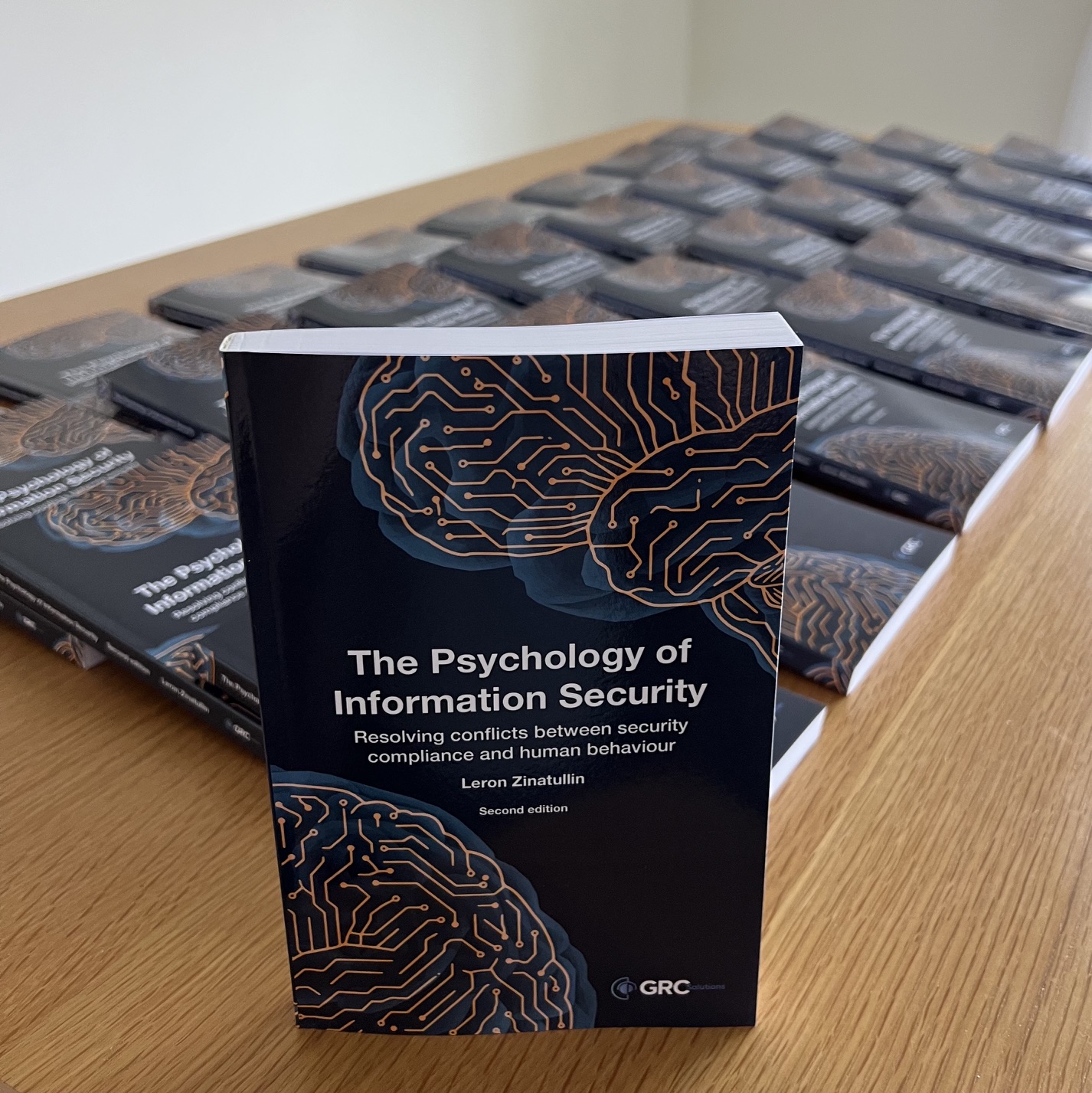
One of the UK’s leading research-intensive universities has selected the second edition of The Psychology of Information Security to be included in their flagship Information Security programme as part of their ongoing collaboration with industry professionals.
“We incorporated The Psychology of Information Security into our MSc in Information Security, where it has become part of the essential reading for the Human Aspects of Security and Privacy module. Over time, it has proven to be a valuable anchor text within the curriculum, helping to frame discussions around the human dimensions of cybersecurity in a structured and coherent way.
Students consistently appreciate the perspectives it offers, particularly its ability to bridge academic research with real-world industry practice. It not only provides a clear roadmap through a complex and wide-ranging topic, but also encourages a broad understanding of the psychological principles underpinning everyday security challenges.”
Dr Konstantinos Mersinas, PhD, CISSP
Associate Professor, Information Security Group, Royal Holloway, University of London
Visiting Professor, Keio University Tokyo, Japan 特別 招聘 准教授 慶応 大学 東京 日本
Director of Distance Learning MSc Programme in Information Security
Vice Chair, INCS-CoE (International Cyber Security Center of Excellence)
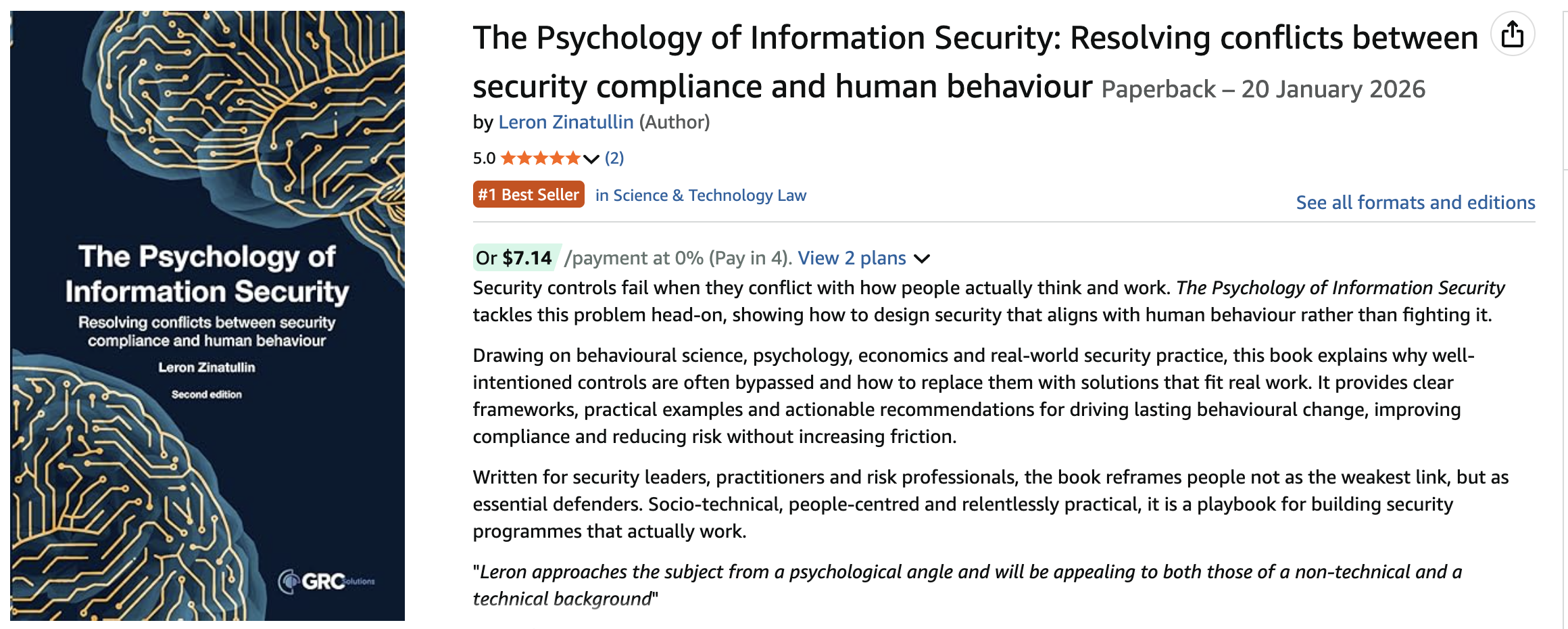
Excited that my book just hit #1 on Amazon’s bestseller list. Thank you to everyone who read, recommended, reviewed and supported this project – I couldn’t have done it without you. If you’ve read it, I’d love to hear what resonated most.
If you haven’t read it – it’s currently on offer in some Amazon stores, so get your 23% discount while you can!
And yes – it’s technically #1 in the very specific category, which is slightly amusing… I suspect it’s a hit with late-night cyber security enthusiasts rather than beach readers!

