Business alignment framework for security

In my previous blogs on the role of the CISO, CISO’s first 100 days and developing security strategy and architecture, I described some of the points a security leader should consider initially while formulating an approach to supporting an organisation. I wanted to build on this and summarise some of the business parameters in a high-level framework that can be used as a guide to learn about the company in order to tailor a security strategy accordingly.

This framework can also be used as a due diligence cheat sheet while deciding on or prioritising potential opportunities – feel free to adapt it to your needs.

More

The role of a CISO

I’m often asked what the responsibilities of a CISO or Head of Information Security are. Regardless of the title, the remit of a security leadership role varies from organisation to organisation. At its core, however, they have one thing in common – they enable the businesses to operate securely. Protecting the company brand, managing risk and building customer trust through safeguarding the data they entrusted you with are key.

There are various frameworks out there that can help structure a security programme but it is a job of a security leader to understand the business context and prioritise activities accordingly. I put the below diagram together (inspired by Rafeeq Rehman) to give an idea of some of the key initiatives and responsibilities you could consider. Feel free to adapt and tailor to the needs of your organisation.

You might also find my previous blogs on the first 100 days as a CISO and developing an information security strategy useful.

More

Webinar: A CISO panel on weaving security into the business strategy

I had a lot of fun participating in a panel discussion with fellow CISOs exploring the link between cyber security and business strategy. It’s a subject that is very close to my heart and I don’t think it gets enough attention.

In the course of the debate we covered a number of topics, ranging from leveraging KPIs and metrics to aligning with the Board’s risk appetite. We didn’t always agree on everything but I believe that made the conversation more interesting.

As an added bonus, my book The Psychology of Information Security was highlighted as an example of things to consider while tackling this challenge and to improve communication.

You can watch the recording on BrightTalk.

How to secure a business in decline

Many business have felt the economic impact of the Covid pandemic. Depending on the industry, some managed to adapt and pivot to new models and ways of working, but not all were successful.

As a result, some companies were unable to continue to operate profitably and entered administration. The cause of financial troubles, however, doesn’t have to be pandemic-related to pose new security challenges.

In this blog I would like to share some of the priority areas for a security leader in a business in, sometimes rapid, decline.

As the business is failing, the leadership might not treat cyber security as their top priority. However, the organisation still has obligations to its customers who entrusted the company with their data and comply with relevant laws and regulations. It goes without saying that previously identified cyber security threats and risks are unlikely to disappear either.

If there is a chance of survival, a poorly managed security incident can be the last straw.

How should security teams adapt? What should they focus on?

Broadly speaking, there are two main areas a CISO can support the business: securing a potential rescue deal and managing the decline.

There are investors specialising in distressed businesses and part of the administration process might involve looking for a capital injection or an acquisition of a failing company.

Potential investors would understandably need to know what they might be buying which normally involves conducting due diligence on the target. Although circumstances are different, the process itself is very similar to an M&A scenario or a startup acquisition.

As a security leader, it’s your job to provide transparency on the matters related to data protection, past breaches and existing security controls and processes. If done right, it presents the business in a favourable light as a well-governed enterprise, increasing investors’ confidence and therefore chances of a successful rescue deal.

In many ways, this is comparable to overseeing a divestment. A lot of such conversations are confidential, so raising awareness of what can and can’t be shared externally (including on social media), and maintaining appropriate need-to-know access controls is paramount.

Some things, however, are outside of our control and sometimes all we can do is to make the best out of a bad situation.

There are a few key areas to pay attention to when it comes to embedding security for a business in downturn.

People. There will naturally be a lot of leavers, so having a robust joiner-mover-leaver process is key. All access permissions should be timely revoked when no longer required. In addition, data loss prevention controls and broader insider risks should be considered as the morale in the company worsens. On a positive note, people and a culture of security can significantly contribute to the company’s security posture, especially in the conditions of scarce resources (see next point).

Resources. Investment in security is going to understandably diminish. Some of the top talent will leave, so you will have to learn to do more with less. If your desired control to mitigate a particular risk is no longer affordable, what is the next best thing? Can this be done cheaper, or better still, for free? Business leadership should be made aware of the potential consequences of risk acceptances, and there will likely be a higher than usual number of these.

Data. There also might not be enough money to pay for non business critical systems and services. These should be decommissioned in the way that ensures that sensitive (including personal) data is destroyed securely in line with company’s retention policies. Having data maps and asset inventories is invaluable to maintain visibility.

Sustaining operational resilience in the face of cost pressure is challenging but not impossible. For many, it’s a unique learning experience regardless of the outcome.

Small business resilience toolkit

Resilience.png

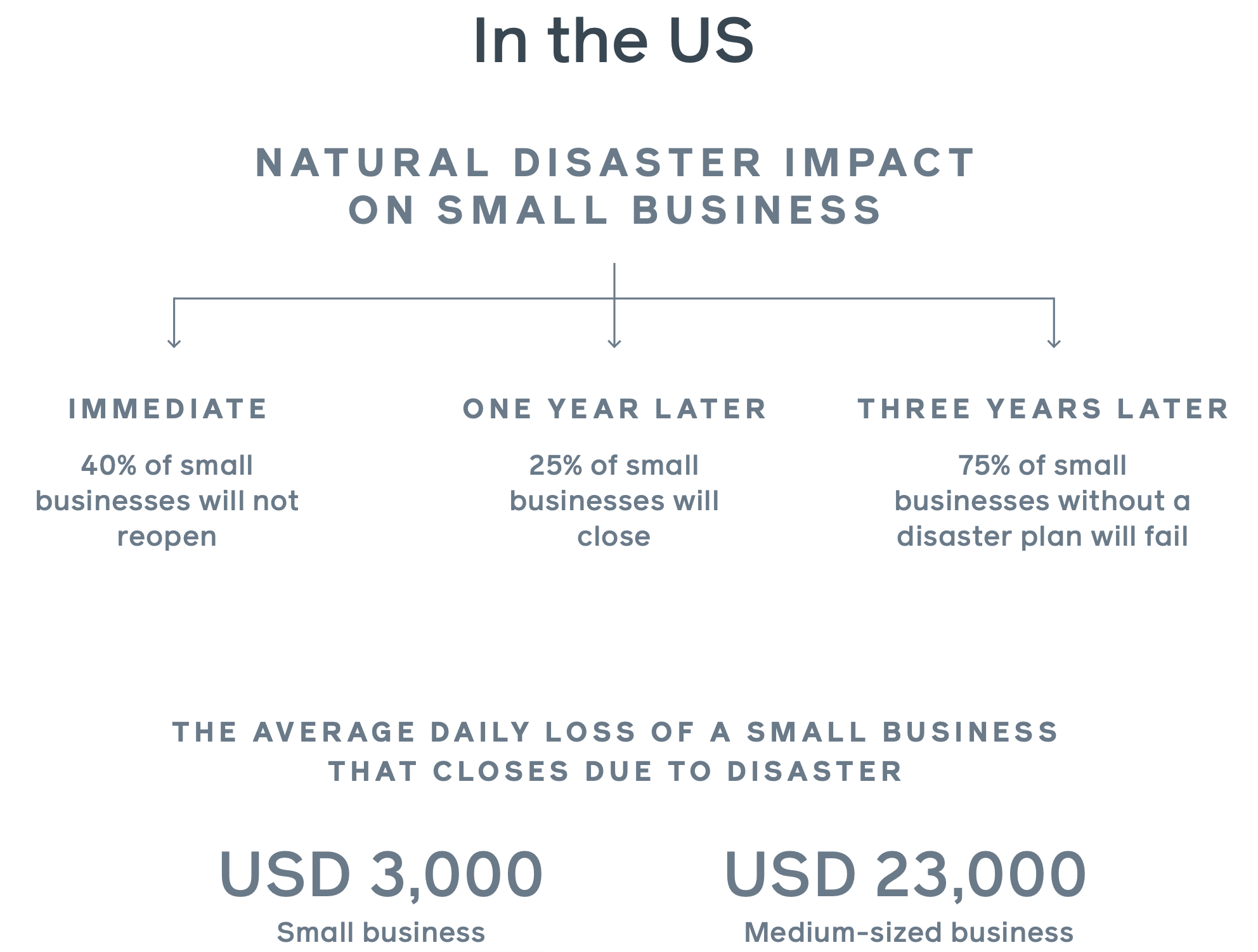
Developing a resilient business is about identifying what your business can’t afford to lose and planning for how to prevent loss should a disaster occur. While this may seem a daunting task, determining your business’s resiliency strategy is more straightforward than you might think.

This resilience toolkit developed by Facebook provides a framework for small businesses that may not have the time or resources to create an extensive plan to recover from business interruptions.

You don’t have to use Facebook’s crisis response features for this approach to be effective – the value comes from the taking the time to assess the risks and plan you response strategy.

Download the Small business resilience toolkit

Cyber security in the Oil & Gas industry

Energy

Oil & Gas has always been an industry affected by a wide range of geopolitical, economical and technological factors. The energy transition is one of the more recent macro trends impacting every player in the sector.

Companies are adjusting their business models and reorganising their organisational structures to prepare for the shift to renewable energy. They are becoming more integrated, focusing on consumers’ broader energy needs all the while reducing carbon emissions and addressing sustainability concerns.

To enable this, the missing capabilities get acquired and unwanted assets get divested. Cyber security has a part to play during divestments. preventing business disruption and data leaks during handover. In acquisition scenarios, supporting due diligence and secure integration becomes a focus.

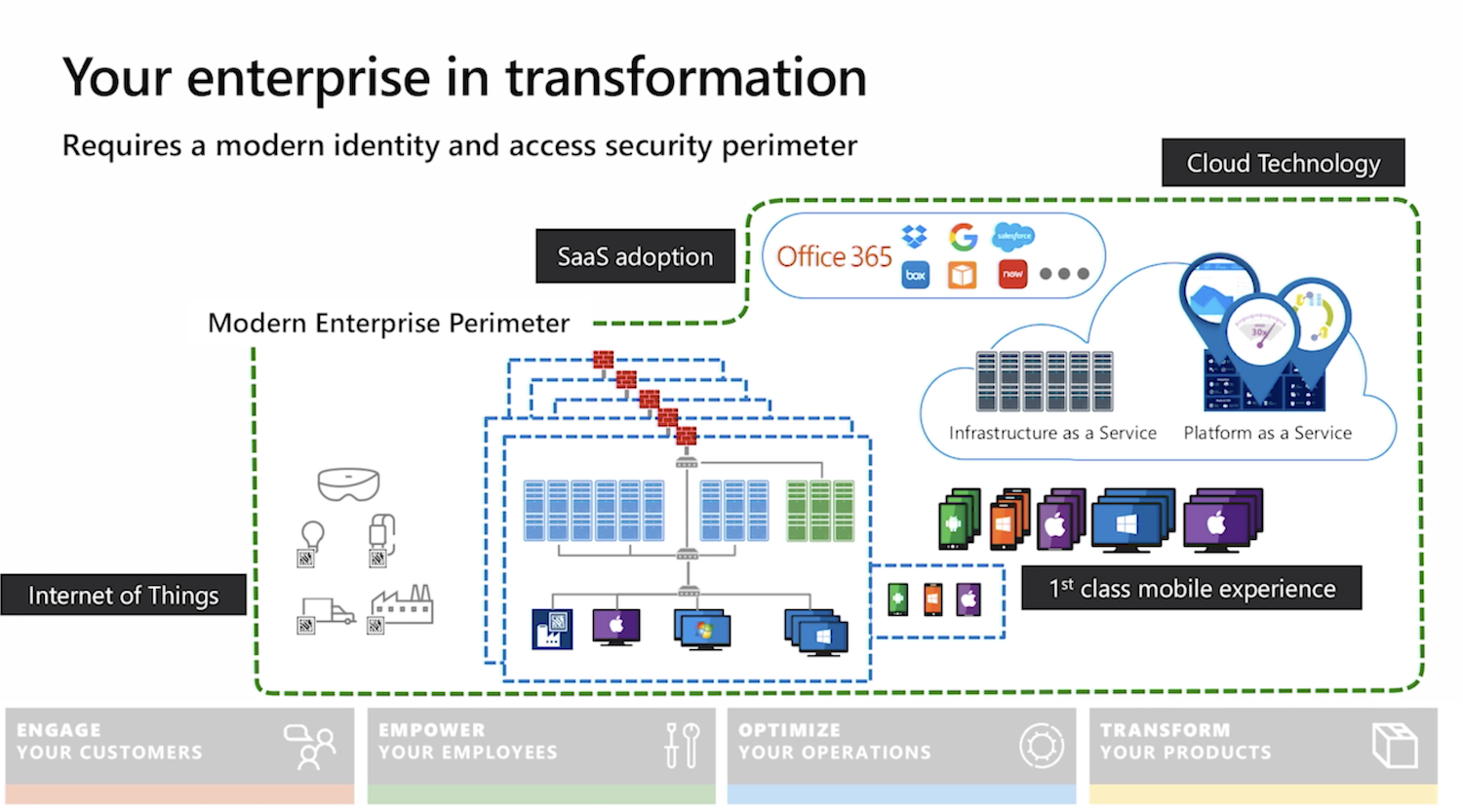
Digital transformation is also high on many boards’ agenda. While cyber security experts are still grappling with the convergence of Information Technology (IT) and Operational Technology (OT) domains, new solutions are being tried out: drones are monitoring for environmental issues, data is being collected from IoT sensors and crunched in the Cloud with help of machine learning.  These are deployed alongside existing legacy systems in the geographically distributed infrastructure, adding complexity and increasing attack surface.

It’s hard, it seems, to still get the basics right. Asset control, vulnerability and patch management, network segregation, supply chain risks and poor governance are the problems still waiting to be solved.

The price for neglecting security can be high: devastating ransomware crippling global operations, industrial espionage and even a potential loss of human life as demonstrated by recent cyberattacks.

It’s not all doom and gloom, however. There are many things to be hopeful for. Oil & Gas is an industry with a strong safety culture. The same processes are often applied in both an office and an oil rig. People will actually intervene and tell you off if you are not holding the handrail or carrying a cup of coffee without a lid.

To be effective, cyber security needs to build on and plug into these safety protocols. In traditional IT environments, confidentiality is often prioritised. Here, safety and availability are critical. Changing the mindset, and adopting safety-related principles (like ALARP: as low as resonantly practicable) and methods (like Bowtie to visualise cause and consequence relationships in incident scenarios) when managing risk is a step in the right direction.

Photo by Jonathan Cutrer.

One year in: a look back

In the past year I had the opportunity to help a tech startup shape its culture and make security a brand differentiator. As the Head of Information Security, I was responsible for driving the resilience, governance and compliance agenda, adjusting to the needs of a dynamic and growing business.

More

How to secure a tech startup

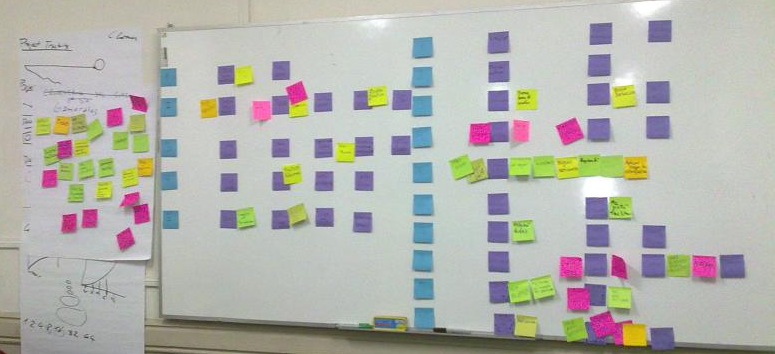
scrum_boardIf you work for or (even better) co-founded a tech startup, you are already busy. Hopefully not too busy to completely ignore security, but definitely busy enough to implement one of the industrial security frameworks, like the NIST Cybersecurity Framework (CSF). Although the CSF and other standards are useful, implementing them in a small company might be resource intensive.

I previously wrote about security for startups. In this blog, I would like to share some ideas for activities you might consider (in no particular order) instead of implementing a security standard straight away. The individual elements and priorities will, of course, vary depending on your business type and needs and this list is not exhaustive.

Product security

Information security underpins all products and services to offer customers an innovative and frictionless experience.

  • Improve product security, robustness and stability through secure software development process
  • Automate security tests and prevent secrets in code
  • Upgrade vulnerable dependencies
  • Secure the delivery pipeline

Cloud infrastructure security

To deliver resilient and secure service to build customer trust.

  • Harden cloud infrastructure configuration
  • Improve identity and access management practices
  • Develop logging and monitoring capability
  • Reduce attack surface and costs by decommissioning unused resources in the cloud
  • Secure communications and encrypt sensitive data at rest and in transit

Operations security

To prevent regulatory fines, potential litigation and loss of customer trust due to accidental mishandling, external system compromise or insider threat leading to exposure of customer personal data.

  • Enable device (phone and laptop) encryption and automatic software updates
  • Make a password manager available to your staff (and enforce a password policy)
  • Improve email security (including anti-phishing protections)
  • Implement mobile device management to enforce security policies
  • Invest in malware prevention capability
  • Segregate access and restrict permissions to critical assets
  • Conduct security awareness and training

Cyber resilience

To prepare for, respond to and recover from cyber attacks while delivering a consistent level of service to customers.

  • Identify and focus on protecting most important assets
  • Develop (and test) an incident response plan
  • Collect and analyse logs for fraud and attacks
  • Develop anomaly detection capability
  • Regular backups of critical data
  • Disaster recovery and business continuity planning

Compliance and data protection

To demonstrate to business partners, regulators, suppliers and customers the commitment to security and privacy and act as a brand differentiator. To prevent revenue loss and reputational damage due to fines and unwanted media attention as a result of GDPR non compliance.

  • Ensure lawfulness, fairness, transparency, data minimisation, security, accountability, purpose and storage limitation when processing personal data
  • Optimise subject access request process
  • Maintain data inventory and mapping
  • Conduct privacy impact assessments on new projects
  • Data classification and retention
  • Vendor risk management
  • Improve governance and risk management practices

Image by Lennon Shimokawa.