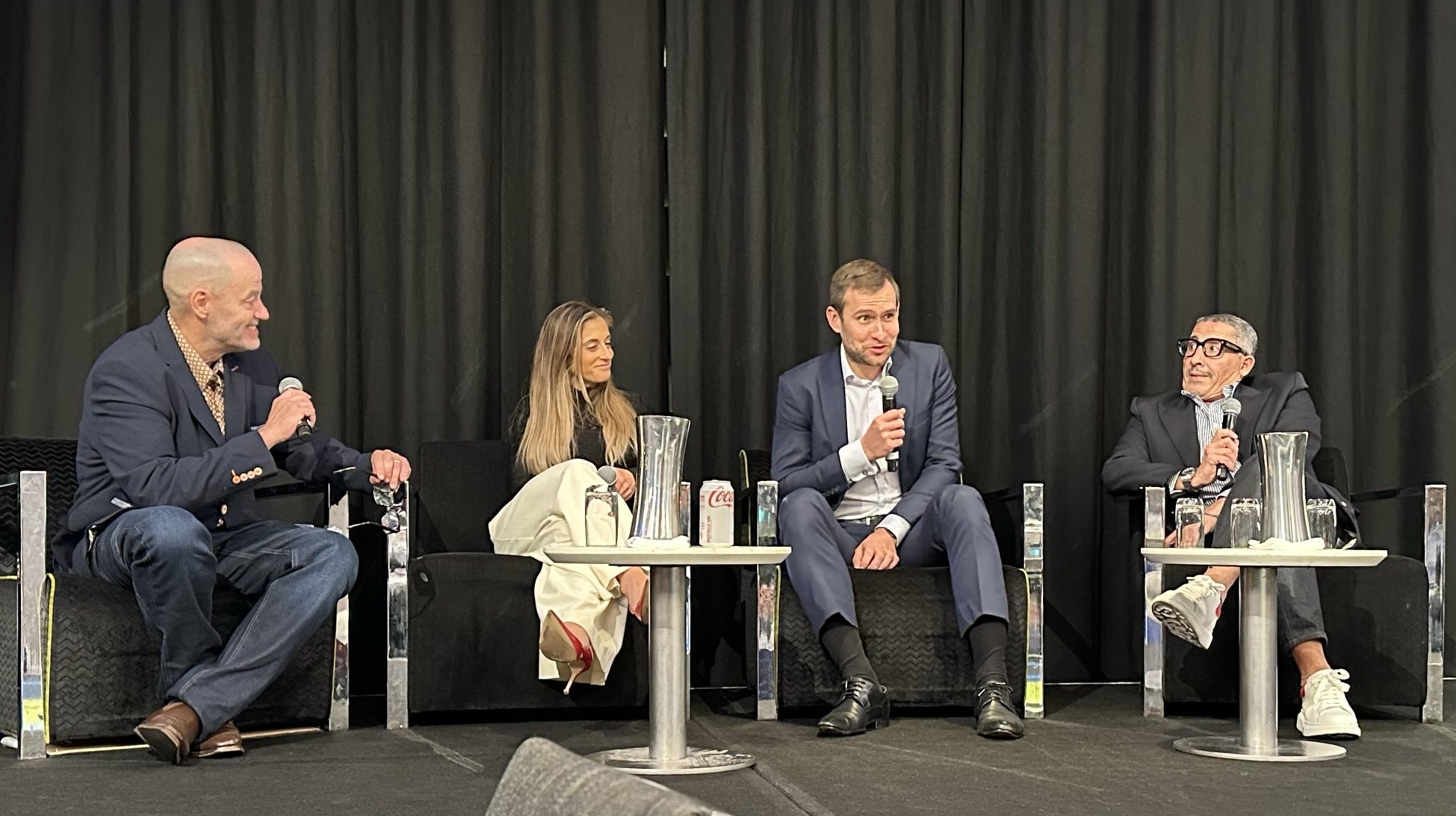
Just wrapped up an engaging panel on AI guardrails where we explored the shifting ground beneath enterprise AI adoption.
The best AI governance starts not with controls, but with culture. When people start asking not just ‘Can we do this?’ but ‘Should we?” that’s when you know you’re on the right path.
Secure by Design is a widely understood concept in cybersecurity, it can be extended to Ethics by Design when building and adopting AI capabilities. Ethical considerations should be embedded from the start, with continuous assurance throughout the lifecycle.
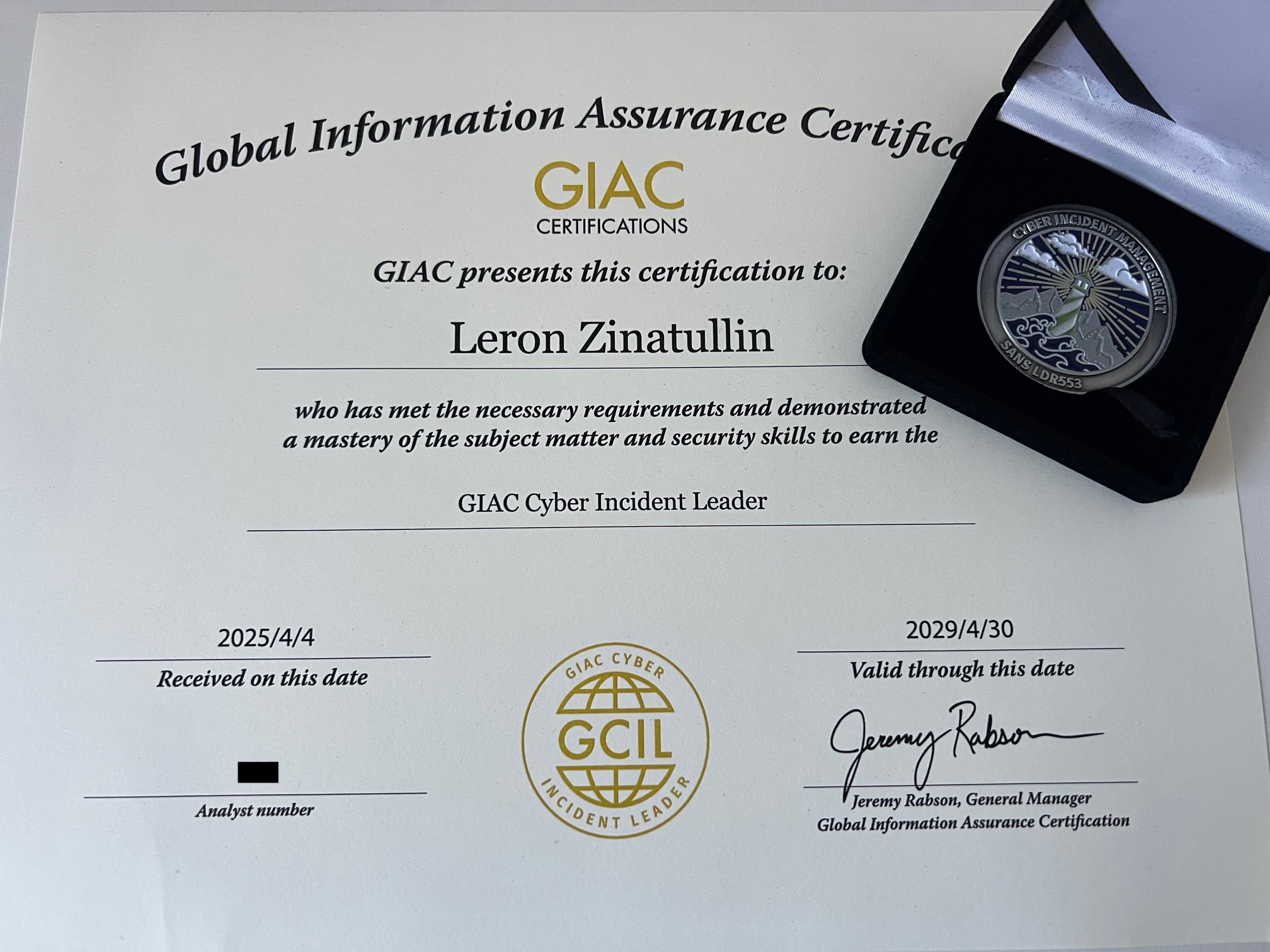
I’m proud to share that I’ve completed SANS’s LDR553: Cyber Incident Management hands-on training and earned the GIAC Cyber Incident Leader (GCIL) certification.
This course sharpened my ability to guide teams through every stage of a breach. I was awarded a challenge coin for the top score in the final capstone project.
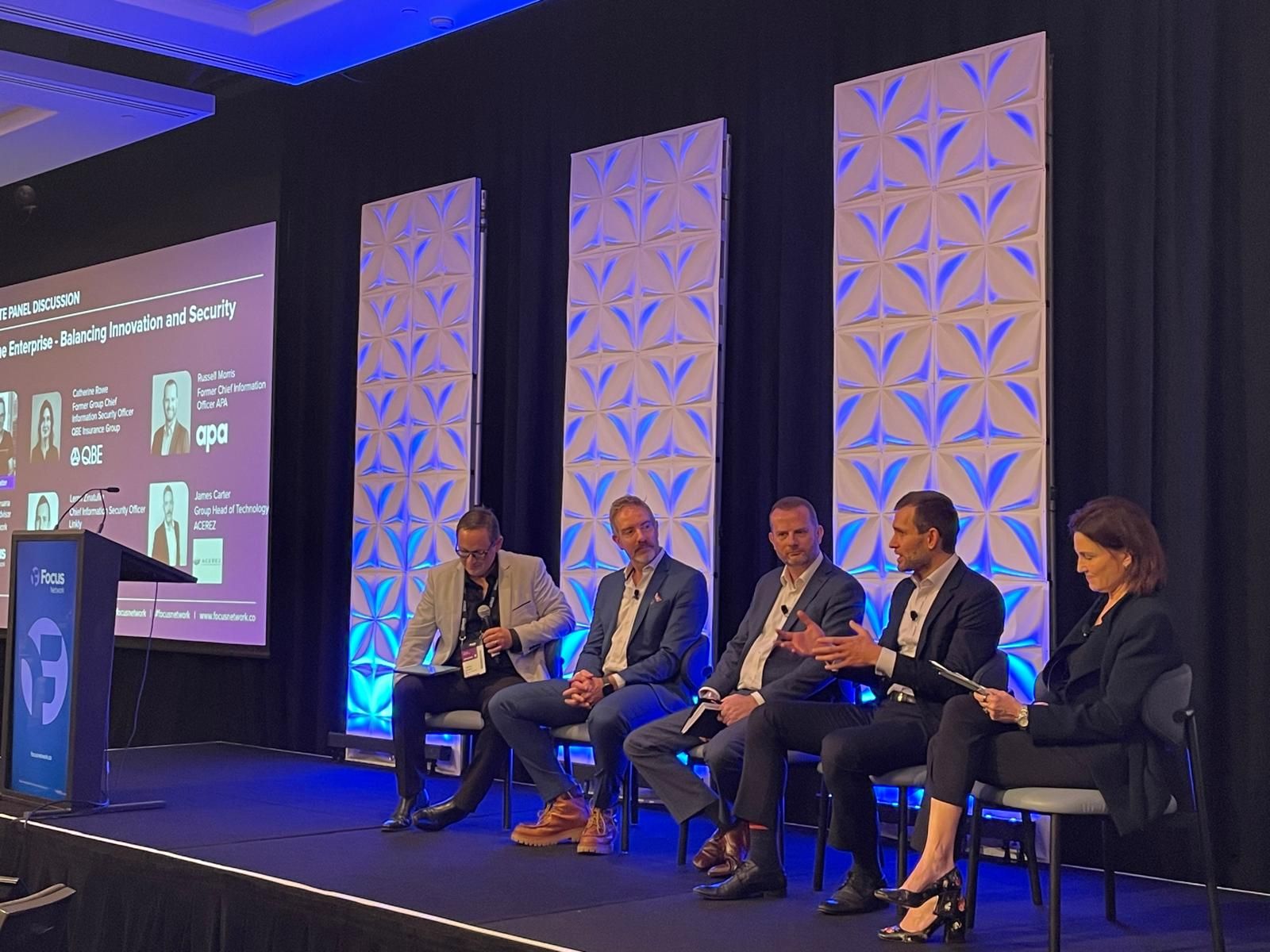
It was great to have a debate on balancing innovation and security keynote panel, where we dug into both the promise and the perils of AI adoption from the CISO and CIO perspectives.
Your biggest AI risks really depend on where and how you’re using it. I recommend reviewing your product roadmap for AI-powered features to anticipate potential gaps.
Map out whether AI is home-grown, vendor-sourced or embedded. When it comes to governance, we can borrow from what we learned with BYOD, cloud and shadow IT. Extend existing security reviews, supply-chain checks and third-party assessments into your AI program. For quick wins, manage it like a SaaS risk: think privacy controls and boundaries around sensitive data.
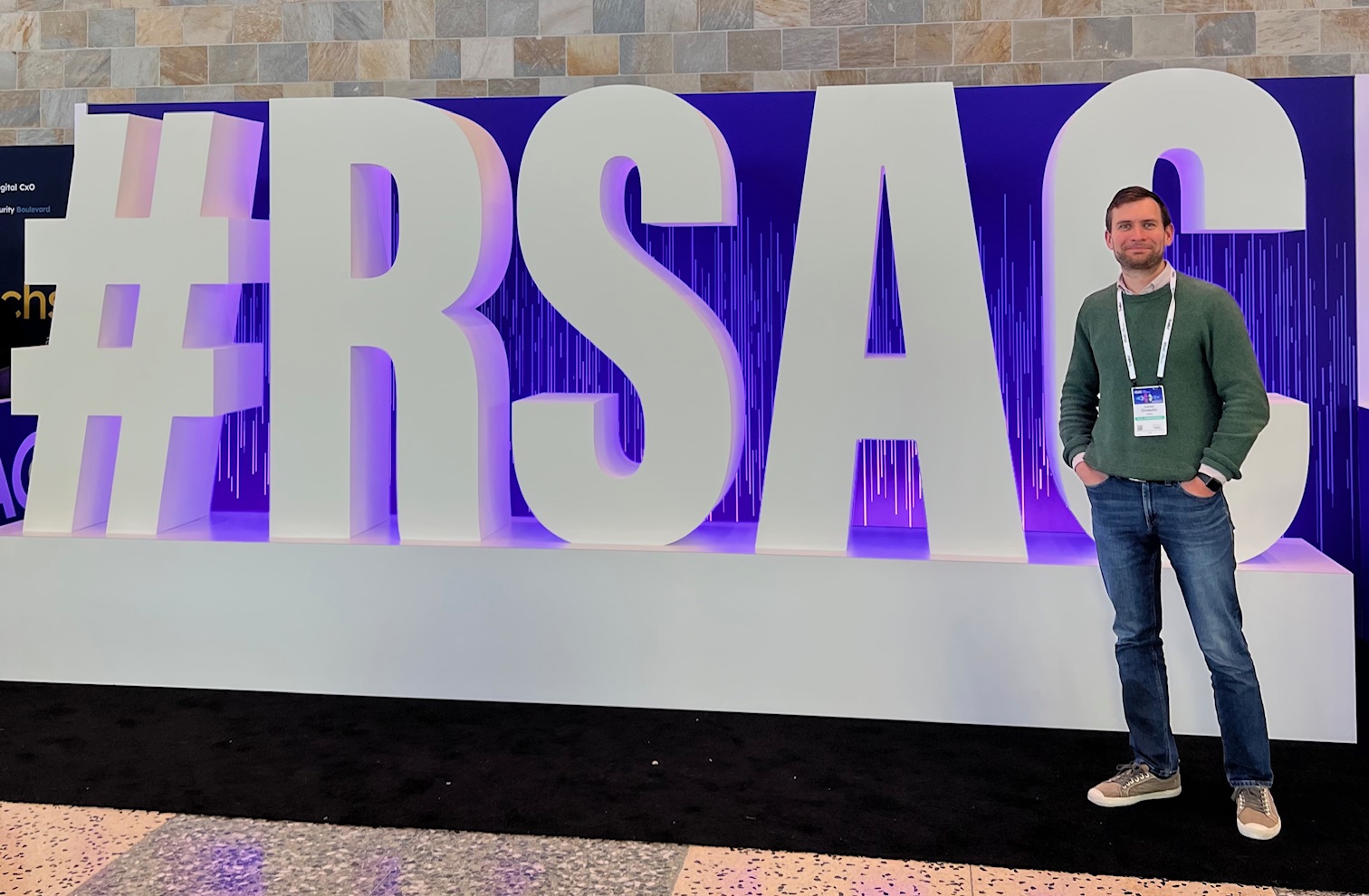
‘You won’t see it all’ – that’s what I was told before I headed out to the RSA Conference for the first time! With so many great talks, side events, meetings, vendor showcases people will have very different impressions of this event. Here are mine.
I’m thrilled to share that I’ve recently earned the GIAC Strategic Planning, Policy, and Leadership (GSTRT) certification- a milestone that validates my ability to architect and sustain cybersecurity programs with a sharp focus on business value and executive alignment.
I’ve completed the train the trainer workshop on AI skills organised by the CyberPeace Institute, equipping me with the knowledge to help not‑for‑profits harness the power of AI for good.
I look forward to supporting not‑for‑profits in building their AI capabilities, from foundational training on responsible use of AI to hands‑on guidance on transforming data into actionable insights.
Navigating the intersection between AI and cybersecurity can be tricky. If you’re looking to elevate your AI skills, or if you’re curious about how AI can amplify your mission, please reach out!
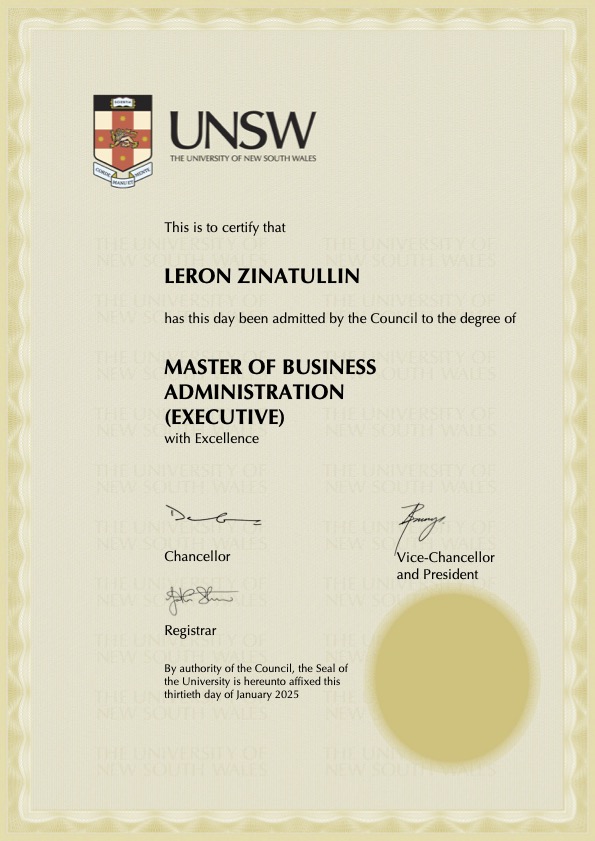
I’m excited to share that I have graduated with Excellence from the Executive MBA program at AGSM UNSW Business School. This transformative 2-year journey has been as challenging as it has been rewarding, redefining my approach to strategy, leadership and execution.
Throughout the program, I had an incredible opportunity to bring theory into practice – collaborating with a diverse cohort of leaders to work on real-world challenges across Australian industries such as technology, manufacturing, financial services and retail. These experiences not only honed my analytical skills but also deepened my appreciation for applying business concepts in evolving fields like cybersecurity and AI.
The international exchanges were equally transformative. Spending time in Shanghai at Fudan University and completing a semester at Yale School of Management allowed me to engage with global leaders, enhancing my understanding of cross-cultural leadership. The practical case studies and strategic projects I completed in these environments reinforced the significance of a global mindset in today’s interconnected world.
With courses ranging from accounting and marketing to negotiations, I am grateful for every lesson learnt, every challenge overcome and every connection made along the way. I look forward to leveraging these insights to drive innovation, inspire ethical leadership and create meaningful impact.
During the session, Richard broke down risk quantification, focusing on identifying the risks most likely to cause significant business losses where assets, threats and vulnerabilities intersect.
I’m also glad to receive his book for correctly estimating cost in our the discussions. It’s one of the most influential books in security: it challenges subjective risk assessments, offering practical frameworks for using data, probability and economics to drive smarter security decisions.
The festive period can bring joy, but it can also be a time of loneliness and stress, which is why it’s so important to check in with ourselves and others.
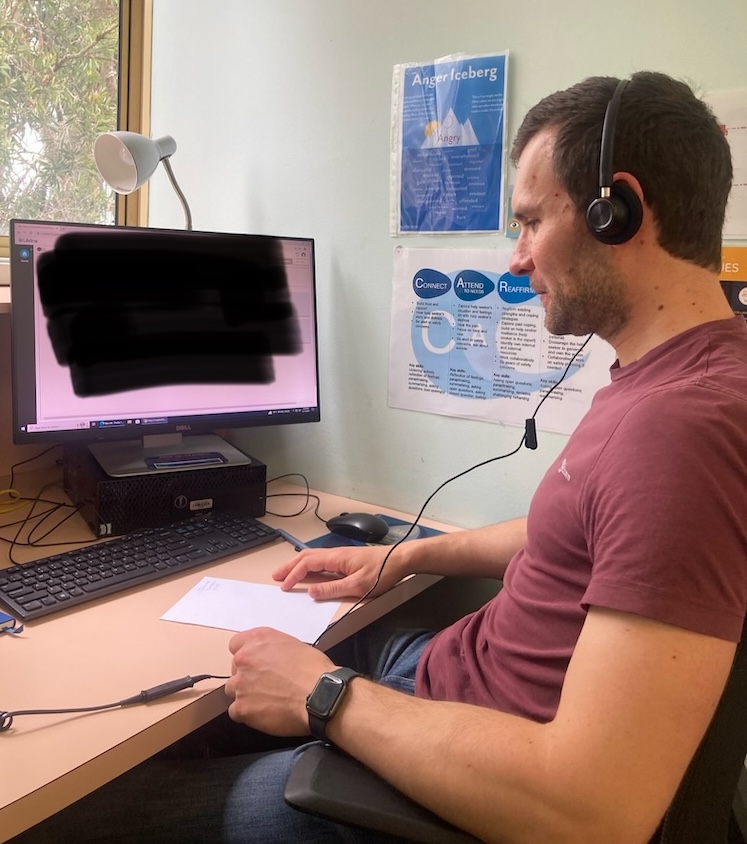
One way I’ve had the chance to contribute is through volunteering as a telephone crisis supporter with Lifeline Australia. I’ve been answering calls from people who may be facing one of the toughest moments of their lives. Every conversation reinforces the power of simply being there for someone when they need it most.
One of the most moving parts of this role is hearing the shift in a caller’s voice – from distress to a sense of calm – because they feel heard, supported and not alone. It’s a small moment that can make a big difference.
As we head into the holidays, remember that you’re not alone either. If you’re struggling, reach out – whether to a friend, family member or a service like Lifeline. And if you’re looking for a meaningful way to give back, I can’t recommend volunteering with Lifeline enough. It’s been one of the most rewarding experiences of my life.
Take care of yourself and those around you this holiday season. Let’s make kindness, connection and understanding the greatest gifts we give.
I had a great week at the AICD’s Company Directors Course learning about governance, risk, strategy, legal environment, financial literacy, performance and achieving board effectiveness.
I particularly liked the interactive discussions and case studies to practice ethical decision making, applying concepts in practice and adopting the director mindset.





 Cyber Security Leadership