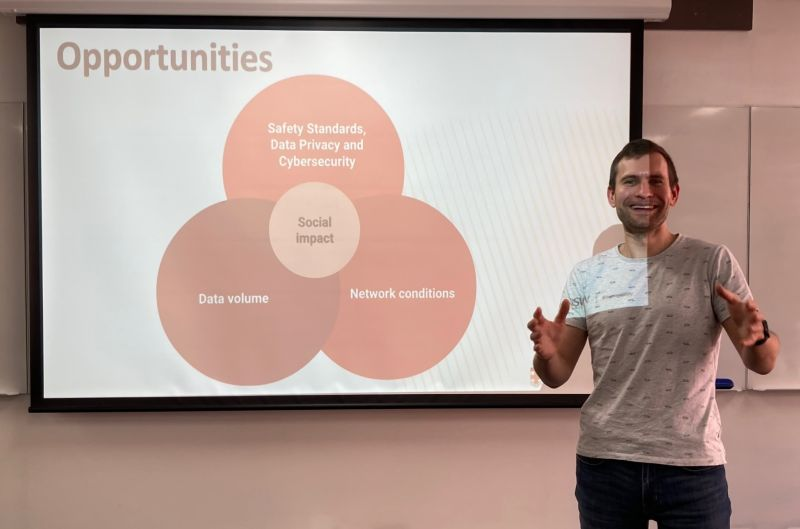
I had an absolute blast at the AI for Social Impact hackathon.
I had a chance to experiment with systems thinking, design thinking and other innovation tools to harness the power of AI for good.
A practical approach
I had an absolute blast at the AI for Social Impact hackathon.
I had a chance to experiment with systems thinking, design thinking and other innovation tools to harness the power of AI for good.

Cyber security leaders have to be effective change agents to be successful. Cyber capability uplift and risk reduction initiatives often require significant transformation in the organisation. In this blog, I’ll introduce a tried and tested change management framework and demonstrate its application to cyber security in an illustrative case study.
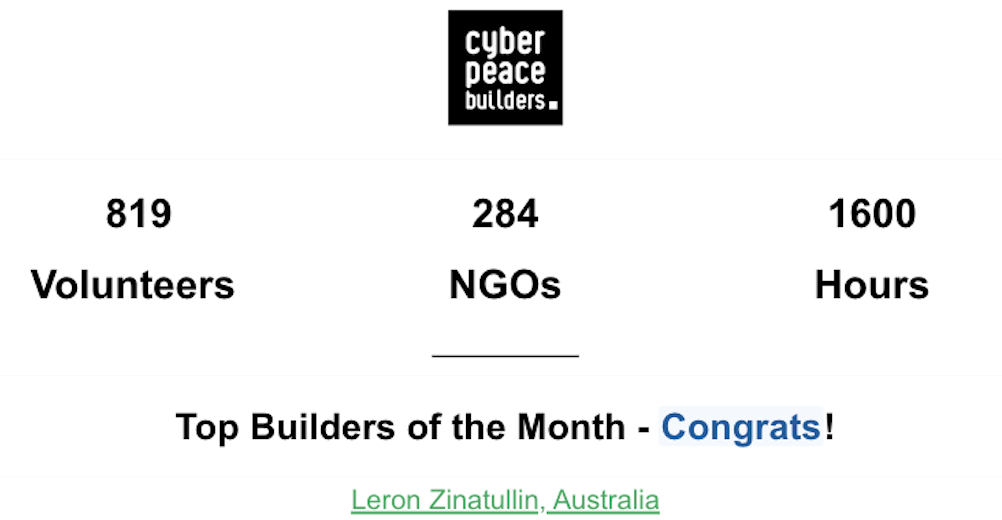
I’m proud to be named CyberPeace Institute‘s Volunteer of the Month.
A big shoutout to CyberPeace for this awesome recognition! It’s been such a rewarding experience to help them in their mission to make the digital world safer for everyone.
The CyberPeace Institute is a non-profit focused on reducing the harm caused by cyberattacks to individuals and communities. Through their CyberPeace Builders program, they offer free cybersecurity support to organisations that need it most, especially those where cyber threats can have a serious impact.
As a volunteer, I’ve had the chance to help for-purpose organisations respond to cyber attacks, develop incident response plans, run security awareness training, perform dark web monitoring and craft essential policies and procedures. Plus, I’ve provided general cyber advice along the way. It’s been an incredible journey being part of a team that’s making a real difference.


I had a fantastic time on an international MBA exchange at one of the top universities in China, Fudan University in Shanghai, for the Global Network for Advanced Management program.
It was an chance to learn first hand about innovation in China and meet some amazing Executive MBA students from the world’s top business schools.

As a cyber security leader, I feel strongly about social issues related to human rights in the context of privacy, data protection and safe use of technology. I believe technology can be an enabler but also a potential cause of harm that needs to be considered.
I started volunteering with the CyberPeace Institute to leverage my cyber and technology skills to empower not-for-profit organisations to combat cyber threats and protect the communities they serve.
Negotiation is a core skill that can make or break your success as a CISO.
While technical expertise is important, it’s equally critical to recognise the value of negotiation skills in cyber security leadership. By developing and applying strong negotiation skills, you’ll be better equipped to lead your organisation in an increasingly complex and challenging cyber security landscape.
I recently completed a negotiations workshop by Filip Hron and highly recommend him as a facilitator and his book ‘Negotiations Evolved’. I particularly appreciate his focus on ethics and value creation.
In this blog, I outline how some of the skills can be applied to the cybersecurity context.
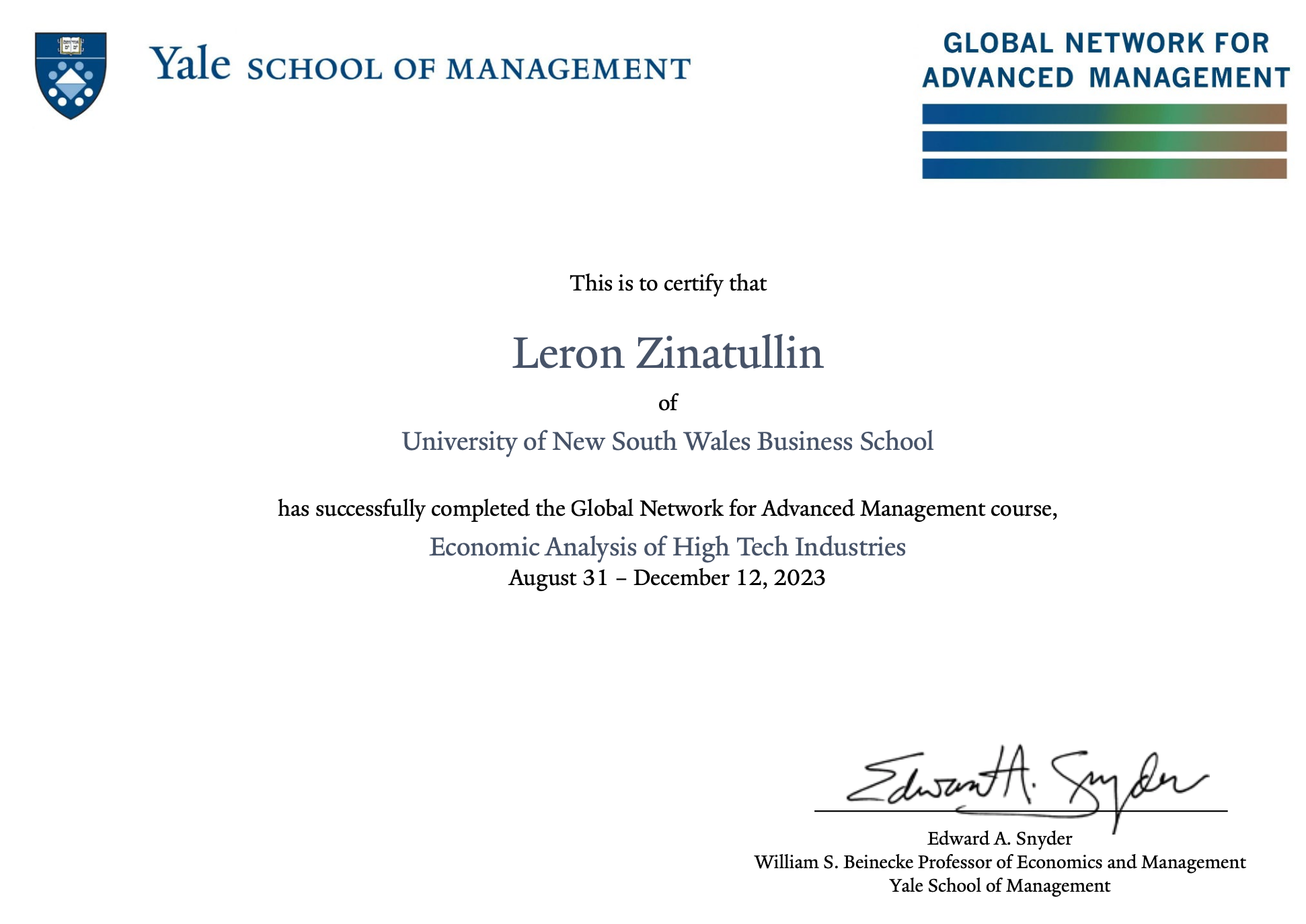
What supply and demand factors are influencing the current industry equilibrium? What types of economies are most relevant for firms in the industry? Will firms with large shares earn above-normal profits? Are the positions of incumbents “contestable”? Are these industries global or local? Does a firm’s success in one industry yield competitive advantages in others? Do the valuations of individual companies operating in these industries make sense? How will major technological changes, e.g., 5G and AI, affect the industry and individual firms? What regulatory and legal issues are most relevant?
These and many other questions were discussed during my semester exchange at the Yale School of Management as part of my Executive MBA program.

Following-up on my recent update on starting an Executive MBA, I wanted to share that I’ve reached a milestone in my learning journey; I’m half-way through with six modules completed.
I already wrote about Data Analytics and Decision Making and in this blog I’ll briefly summarise a few other courses I’ve completed and how some of the learnings can be applied to cyber security leadership.
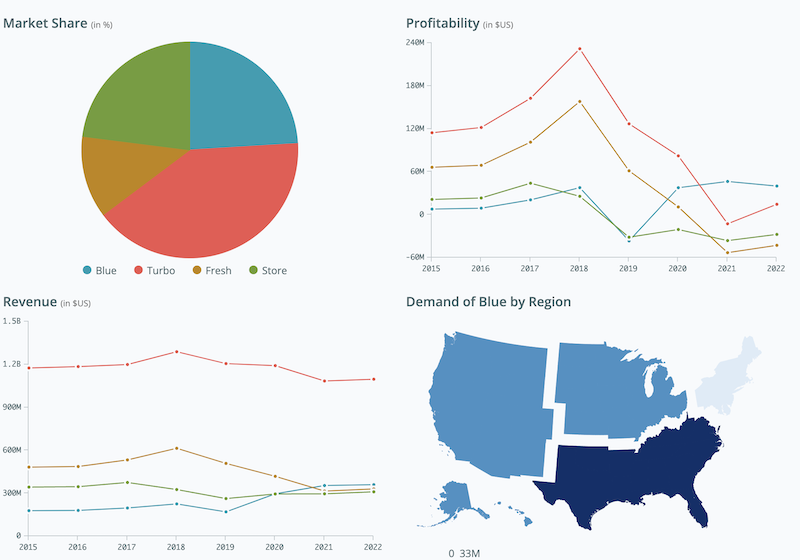
I completed the Data Analytics and Decision Making course as part of my Executive MBA. In this blog, I summarise some of the insights and learnings that you can apply in your work too.