
We landed a plane and saved 164 passengers 🛩
This Boeing 737 simulation was definitely the highlight of the past week’s course on Disruption and Transformation as part of my MBA studies.
A practical approach

I’m honoured to be a recipient of the Professor Wanbil Lee Prize for Ethical Leaders in Business.
This award recognises individuals who demonstrate entrepreneurship, innovation, leadership and business ethics which are reflected in active ethical practice within their workplace.
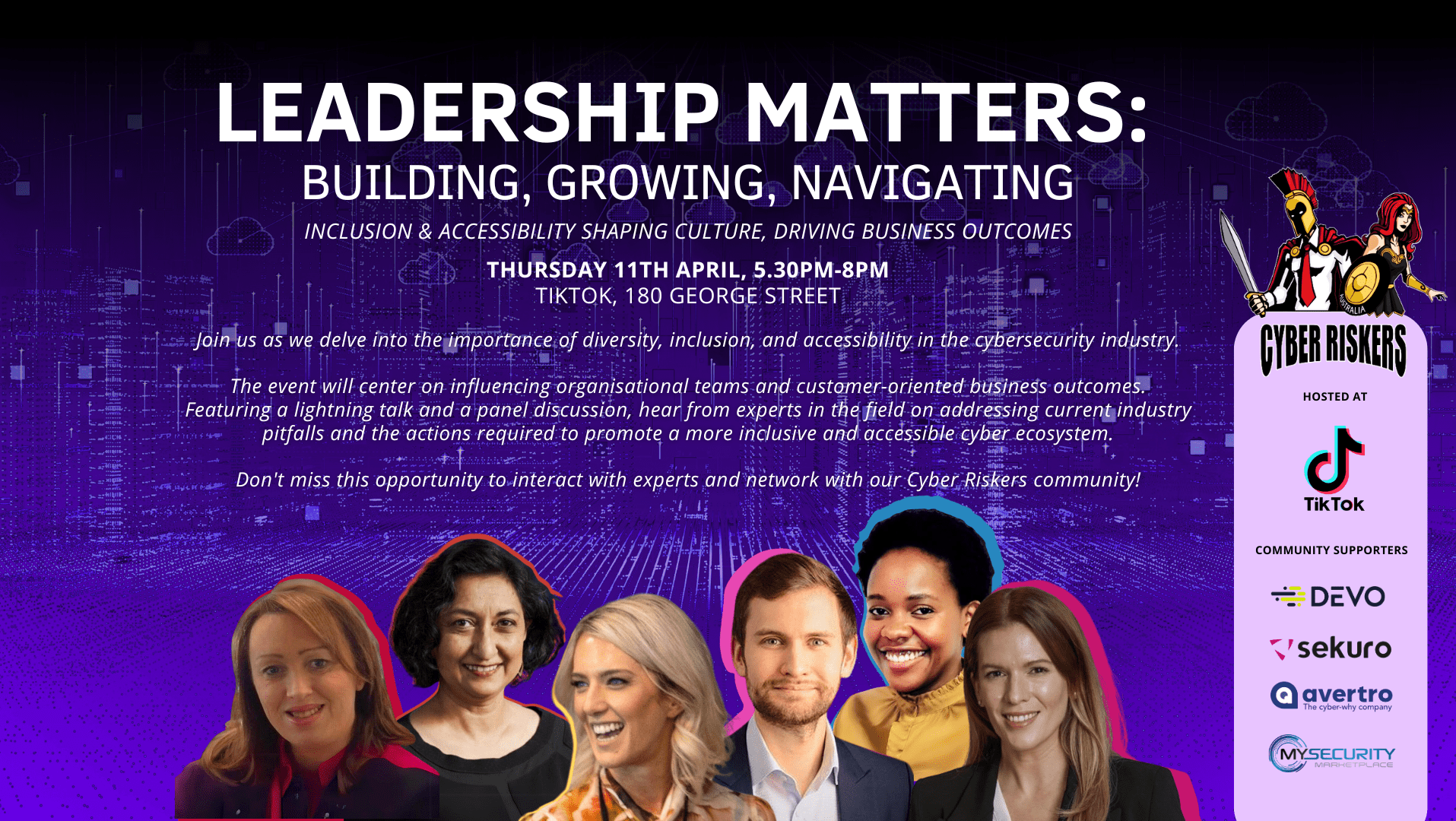
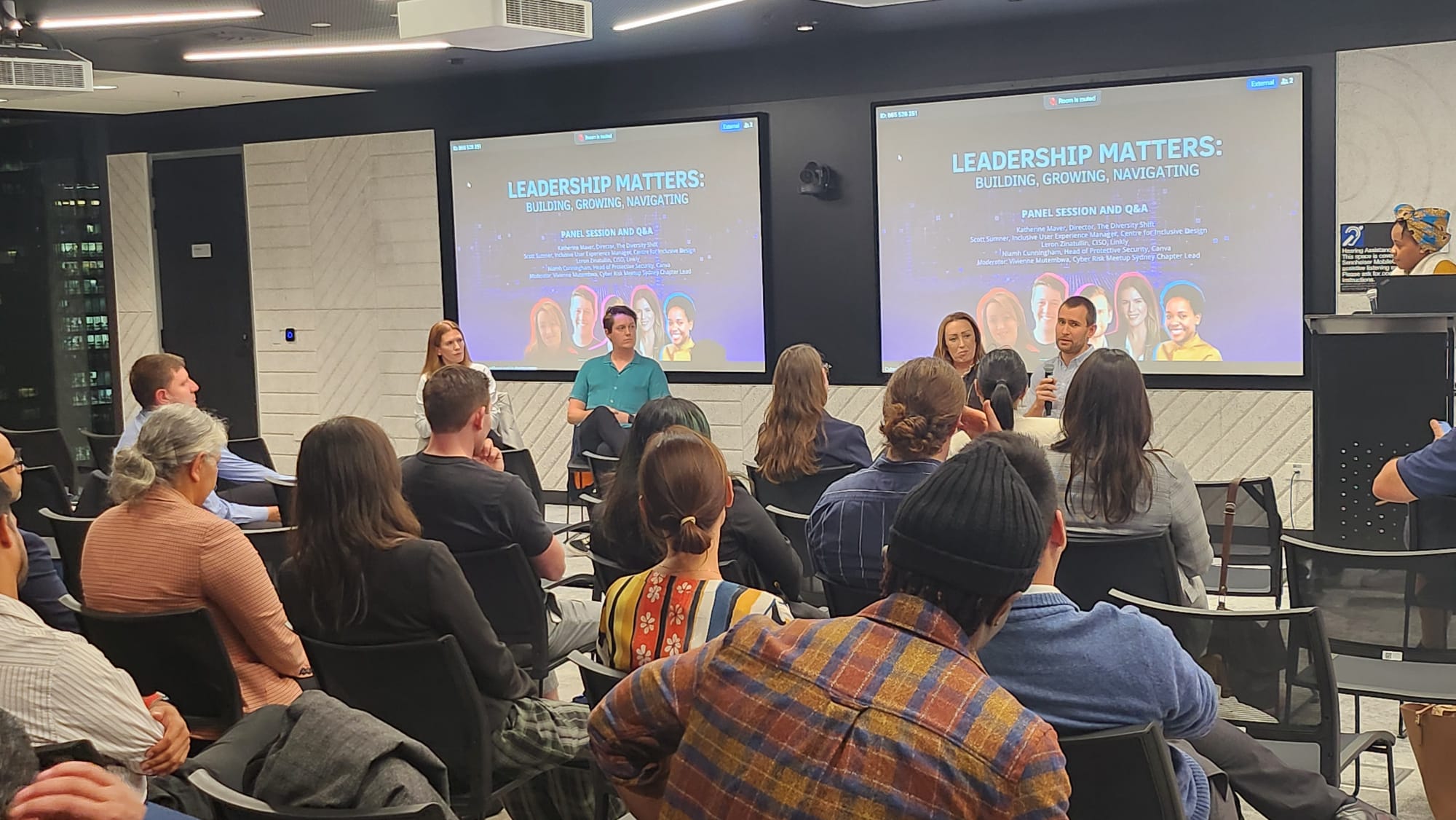
I’m grateful to have had an opportunity to continue to learn and contribute to the important discussion on building the culture of diversity, inclusion and accessibility in cyber security.
I like being on panels like this because it gives me an opportunity to share my views and continue to educate myself not only through research but also through lived experiences.
I believe shaping the inclusive culture begins with creating awareness about the barriers to diversity and inclusion. Accessibility is an important consideration. Testing new systems and processes with people with accessibility needs is key to discovering where issues may exist.
The best way to make security more accessible is to engage with the people who interact with it. Treating usability and accessibility together with other security requirements rather than a separate item is useful to ensure it gets built-in from the start.

I’m incredibly proud to be recognised as one of the top CISOs in Australia.
The CSO30 Australia Awards celebrates the leading individuals and organisations delivering cybersecurity initiatives that have changed the way the business is protected.


Following-up on my recent update on starting an Executive MBA, I wanted to share that I’ve reached a milestone in my learning journey; I’m half-way through with six modules completed.
I already wrote about Data Analytics and Decision Making and in this blog I’ll briefly summarise a few other courses I’ve completed and how some of the learnings can be applied to cyber security leadership.
To remain competitive, modern technology businesses should take steps to implement responsible business practices that customers, employees and partners expect.
Customers want to purchase products that protect the environment and improve local communities. A useful tool to pursue inclusive growth is a sustainability balanced scorecard.
Below is an example sustainability strategy map I developed for a technology startup.
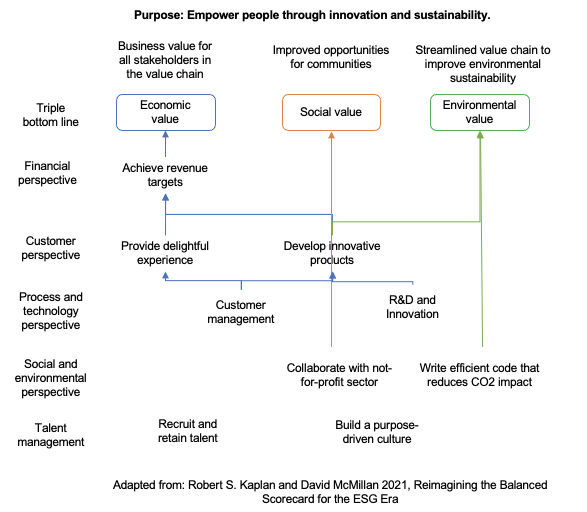
For a technology business, environmental impact can be achieved through close examination and streamlining of company’s supply chain, including datacentres and cloud infrastructure providers. Companies could also analyse their software development lifecycles to make it more sustainable.
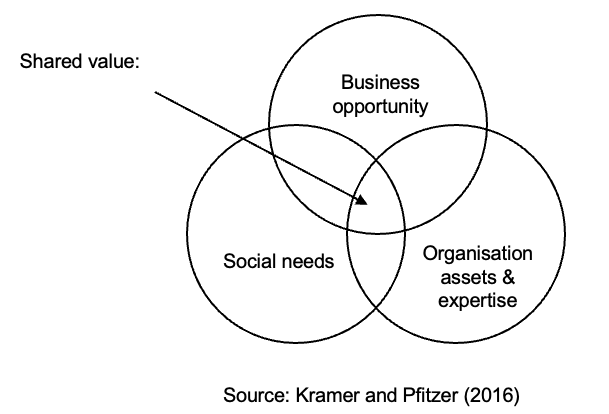
Achieving financial objectives can produce societal benefits through creating shared value.
Finally, implementing responsible business practices aligns with UN Sustainable Development Goals (SDGs), specifically SDG9: Industry, Innovation and Infrastructure and SDG17: Partnerships for the Goals.

Designing a target operating model for an organisation is a complex activity. It is important, therefore, to keep it simple initially. At a very high, level, I suggest CISOs start with three key capabilities:
These can then be decomposed further, tailoring to the needs of your particular organisation. Understand how each domain interacts with and supports the others, capturing key outcomes and dependencies for each function.
Key security capabilities are supported by Leadership and Governance streams, including Security Strategy, Business Alignment, Integration, Oversight, Optimization, Finance, Security Culture, Program Management, Stakeholder Management and Reporting.
Business as usual activities required to keep the lights on are often neglected when capability uplift is prioritized. For this reason, I placed it in the centre of the diagram, emphasising the ongoing importance of providing consistent security service to your organisation.
The NIST Cybersecurity Framework functions at the intersections of domains aim to illustrate the collaborative nature of the security teams. It’s important to go beyond silos , ensuring frequent interaction with the business as well as within the security department.

Cyber security strategy and execution is one of the top priorities for a CISO. It helps articulate the value of security, provide clarity on short and long term goals and outline a cyber security uplift roadmap.
In this blog I recommend a proven step-by-step guide for developing a cyber strategy.
Data breaches are unforeseen events that can have significant repercussions for organisations, demanding immediate action, composure, and transparent communication. In this blog, I explore the essential components of managing a data breach and provide practical guidance for security leaders to effectively navigate this complex situation.
Picture an easy Sunday morning. It’s sunny and quiet with only birds chirping outside. You make yourself a cup of coffee and sit on the sofa to catch-up on what’s happening in the world. You open your favourite news site and here it is – first story of the day in large font.
Breaking news: massive data breach! It’s your company in the headline.
This is the modern reality, cyber attacks are becoming increasingly common and it’s no longer a matter of if but when.
How do you manage this PR nightmare? What do you tell the media? Can you regain the trust of your customers and partners?
These are not the questions you want to be thinking about in the middle of a crisis. The real story begins way before that. It starts with responsible data management practices and securing people’s information.

