Developing Global Cyber Services

UNADJUSTEDNONRAW_thumb_3078

Over the past year I’ve worked as a core part of the KPMG’s Global Cyber Strategic Growth Initiative as the lead for service development activities, with a focus on working with member firms to deploy capabilities in order to ensure consistent delivery and quality across key growth areas.

I was responsible for the roll-out of cyber security services that included developing sales and delivery accelerators, accreditation requirements, learning pathways, vendor ecosystem and quality and risk management principles across EMEA, APAC and Americas.

To achieve this, I created a service development framework and worked with numerous stakeholders across the firm’s network: global deployment, service development leads, acquisition leads, risk management and key member firm cyber representatives and regional leads.

I also developed a method for the in-country adoption of deployed capabilities and supported both global and in-country risk team members in the evaluation of risk when taking services for client use.

I ensured the sustainability of deployed capabilities through the implementation and use of delivery frameworks and tools, and assigned ownership for the upkeep of deployed capabilities. I worked with member firms to promote the adoption of prioritised services; developed adoption timelines and targets for deployed service.

One of the existing aspects of the role was alliance, acquisition and investment integration support where I collaborated with the relevant stakeholders to deploy and embed offerings obtained through alliances to member firms while monitoring progress against agreed budgets, milestones, deliverables and benefits for capabilities being deployed.

By the end of the programme, I deployed Cyber Maturity Assessment, Identity and Access Management, Industrial Internet of Things Cyber Security, Privacy and Cyber Incident Response services to 19 countries around the world.

This resulted in achieving significant revenue and market share growth for cyber security services of my firm globally. KPMG International was also named a leader in information security consulting services in 2016 and 2017 according to Forrester Research.

cq5dam.web.512.99999

Security function review

When determining the level of maturity of a security function, I focus on the following areas and try to answer these questions:

Business alignment

  • Is security strategy aligned with business strategy (including vision and mission)?
  • Is it documented and communicated?
  • Is it supported by the leadership?
  • Is there a guiding policy in place to achieve set objectives?

Governance

  • Have accountable individuals been identified?
  • Have risk management practices been established?
  • Have audit and assurance practices been established?

Operating model

  • Have performance measurement practices been established (including KPI definition)?
  • Have global and regional interfaces been defined?
  • Has team structure and funding been agreed?

Using SABSA for application security

Aligning OWASP Application Security Verification Standard and SABSA Architecture framework.

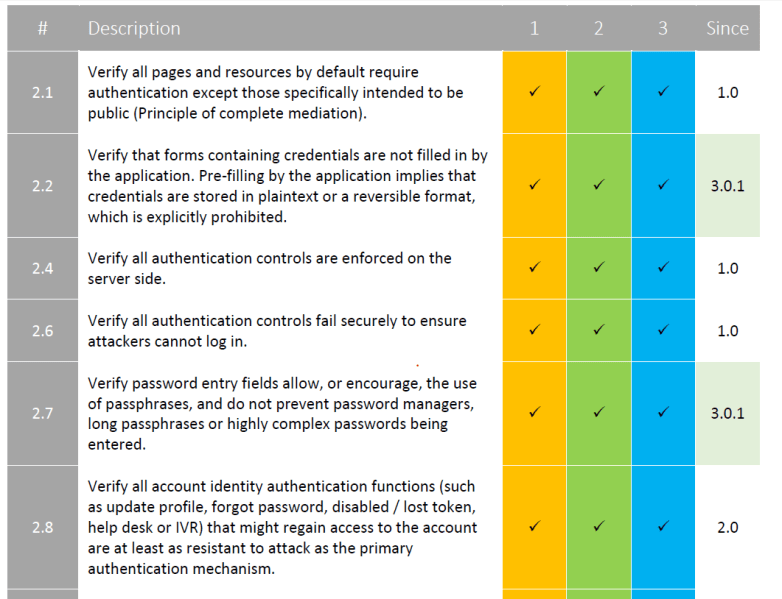
OWASP Application Security Verification Standard (Standard) is used at one of my clients to help develop and maintain secure applications. It has been used it as blueprint create a secure coding checklist specific to the organisation and applications used.

Below is an excerpt from the Standard related to the authentication verification requirements:

OWASP

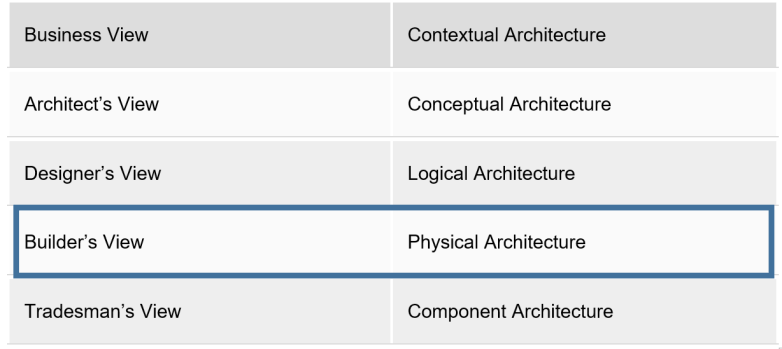
The Standard provides guidance on specific security requirements corresponding to the Physical layer of the SABSA architecture.

SABSA views

More

Augusta University’s Cyber Institute adopts my book

jsacacalog

Just received some great news from my publisher.  My book has been accepted for use on a course at Augusta University. Here’s some feedback from the course director:

Augusta University’s Cyber Institute adopted the book “The Psychology of Information Security” as part of our Masters in Information Security Management program because we feel that the human factor plays an important role in securing and defending an organisation. Understanding behavioural aspects of the human element is important for many information security managerial functions, such as developing security policies and awareness training. Therefore, we want our students to not only understand technical and managerial aspects of security, but psychological aspects as well.

Presenting at SANS European Security Awareness Summit

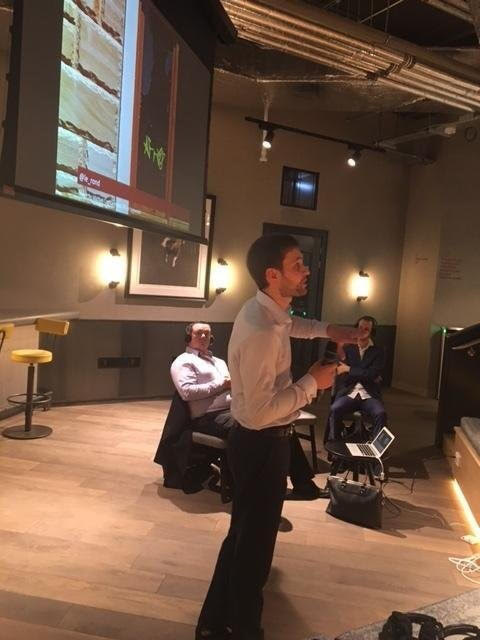
It’s been a pleasure delivering a talk on the psychology of information security culture at the SANS European Security Awareness Summit 2016. It was the first time for me to attend and present at this event, I certainly hope it’s not going to be the last.

The summit has a great community feel to it and Lance Spitzner did a great job organising and bringing people together. It was an opportunity for me not only to share my knowledge, but also to learn from others during a number of interactive sessions and workshops. The participants were keen to share tips and tricks to improve security awareness in their companies, as well as sharing war stories of what worked and what didn’t.

It was humbling to find out that my book was quite popular in this community and I even managed to sign a couple of copies.

All speakers’ presentation slides (including from past and future events) can be accessed here.

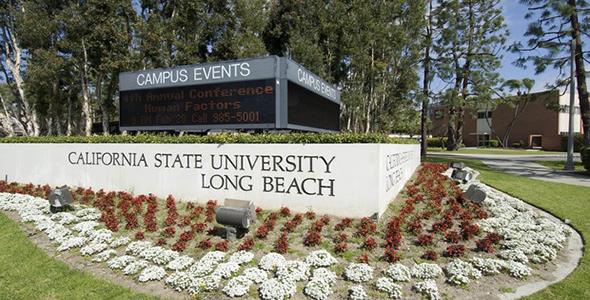
Delivering a guest lecture at California State University, Long Beach

CSU Long Beach

I’ve been invited to talk to Masters students at the California State University, Long Beach about starting a career in cyber security.  My guest lecture at the Fundamentals of Security class was well received. Here’s the feedback I received from the Professor:

Leron, thank you so much for talking to my students. We had a great session and everybody was feeling very energised afterwards. It always helps students to interact with industry practitioners and you did a fantastic job inspiring the class. I will be teaching this class next semester, too. Let’s keep in touch and see if you will be available to do a similar session with the next cohort. Again, thank you very much for your time – I wish we could have more time available to talk!